
Filters:
The results of Sergei Witte's policies are …
Years: 1888 - 1899
The results of Sergei Witte's policies are mixed.
Russia's coal, iron, steel, and oil production triples between 1890 and 1900 in spite of a severe depression at the end of the century, and railroad mileage almost doubles, giving Russia the most track of any nation other than the United States.
Yet Russian grain production and exports fail to rise significantly, and imports grow faster than exports, although the latter will subsequently rise.
The state budget also more than doubles, absorbing some of the country's economic growth.
Western historians have differed as to the merits of Witte's reforms, with some believing that many domestic industries that did not benefit from subsidies or contracts suffered a setback.
Moreover, most analysts will agreed that the Trans-Siberian Railway and the ventures into Manchuria and Korea were economic losses for Russia and a drain on the treasury.
Certainly the financial costs of his reforms contributes to Witte's dismissal as minister of finance
in 1903.
Russia's coal, iron, steel, and oil production triples between 1890 and 1900 in spite of a severe depression at the end of the century, and railroad mileage almost doubles, giving Russia the most track of any nation other than the United States.
Yet Russian grain production and exports fail to rise significantly, and imports grow faster than exports, although the latter will subsequently rise.
The state budget also more than doubles, absorbing some of the country's economic growth.
Western historians have differed as to the merits of Witte's reforms, with some believing that many domestic industries that did not benefit from subsidies or contracts suffered a setback.
Moreover, most analysts will agreed that the Trans-Siberian Railway and the ventures into Manchuria and Korea were economic losses for Russia and a drain on the treasury.
Certainly the financial costs of his reforms contributes to Witte's dismissal as minister of finance
in 1903.
People
Groups
Topics
Commodoties
Subjects
Regions
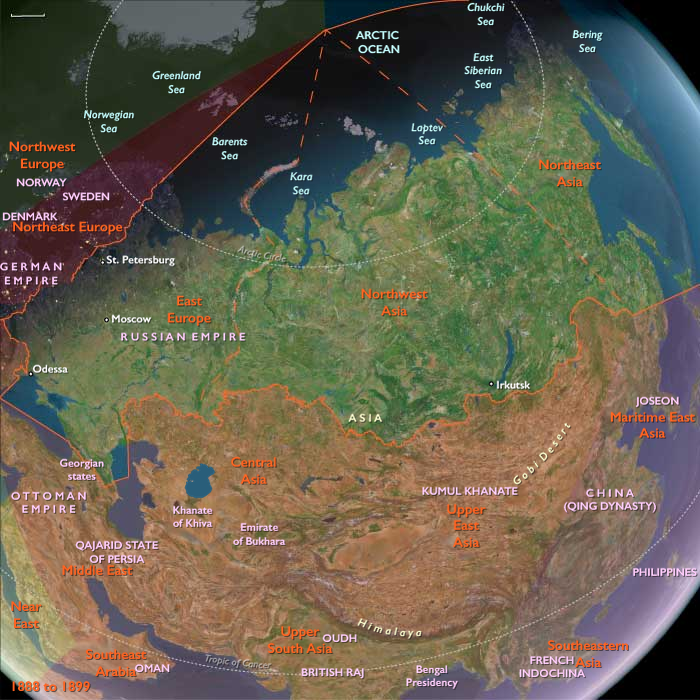
Subregions
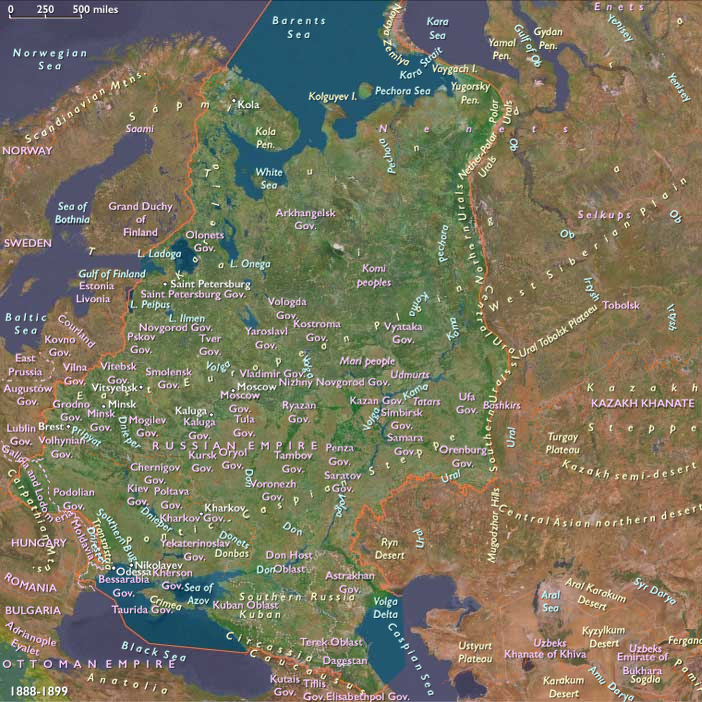
Years: 1888 - 1899
People
Groups
Topics
Commodoties
Subjects
Regions
Subregions