
Filters:
The Early Movements of the Great Migrations …
Years: 160 - 171
The Early Movements of the Great Migrations and Germanic Pressure on Rome (3rd Century CE)
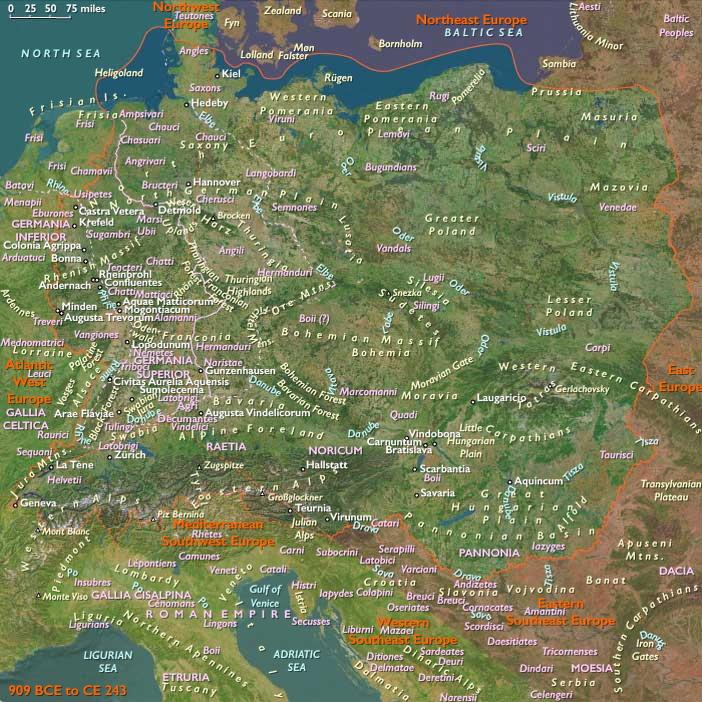
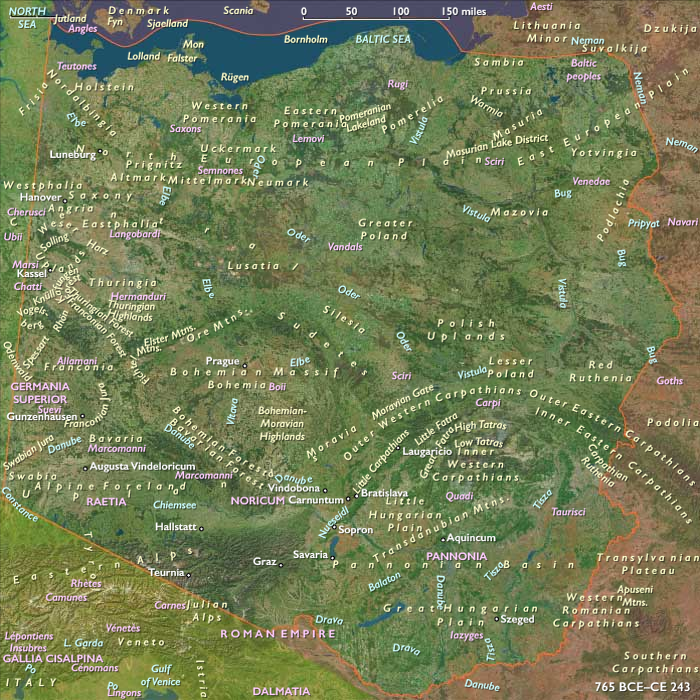
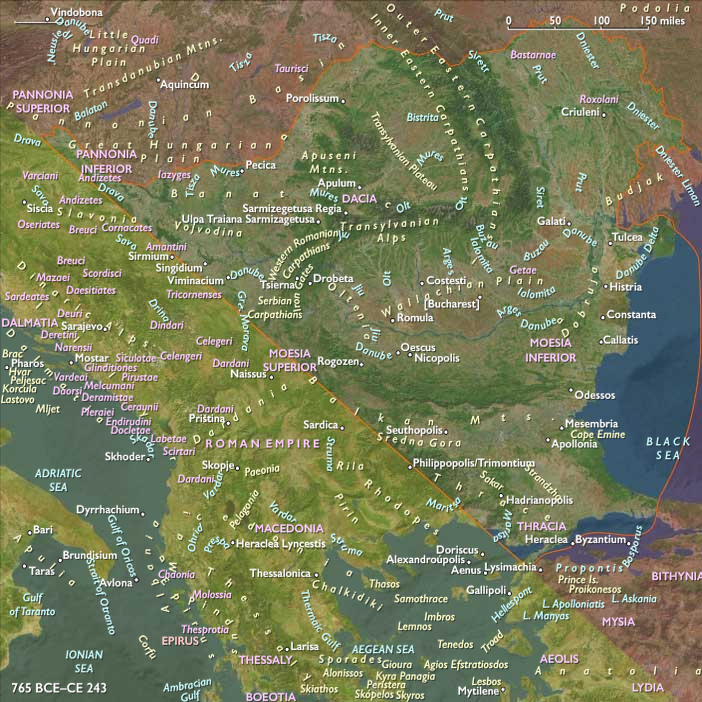
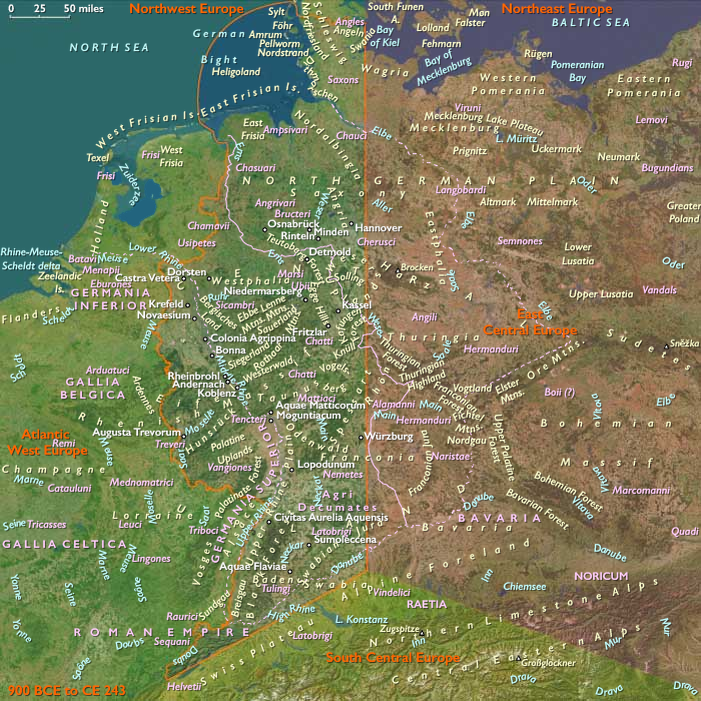
During the 3rd century CE, the first major movements of the Great Migrations began, as the Goths migrated westward, displacing and pressuring Germanic tribes in Central and Eastern Europe. This triggered a chain reaction, forcing various tribes and nomadic groups to move toward the Roman Empire, launching raids along Rome’s northern borders.
1. The Gothic Migrations and Their Impact
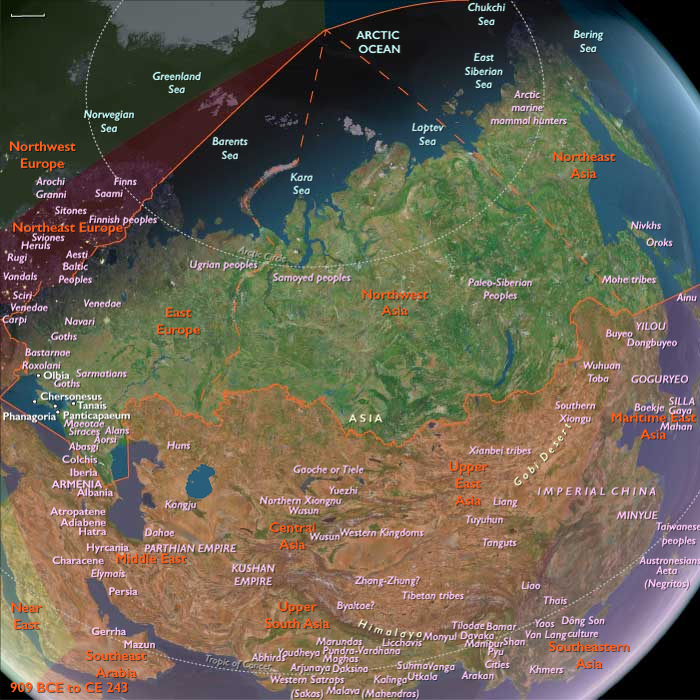
- The Goths, originally from Scandinavia and the Baltic region, began moving westward and southward into the Pontic Steppe and Central Europe.
- This displaced other Germanic tribes, pushing them toward Roman frontiers in search of new lands and resources.
- The Gothic advance weakened Roman border defenses, forcing Rome to increase military expenditures and fortify key regions.
2. Raids into Gaul and Across the Danube
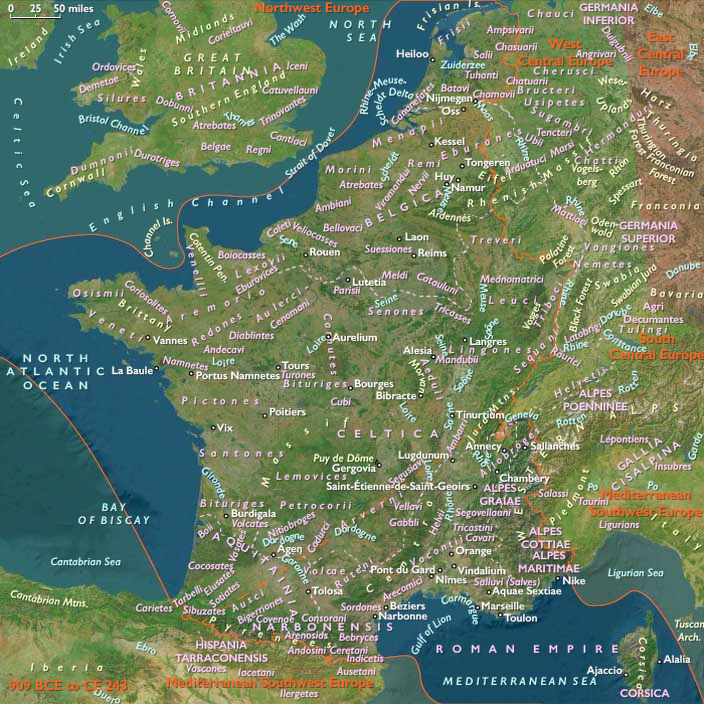
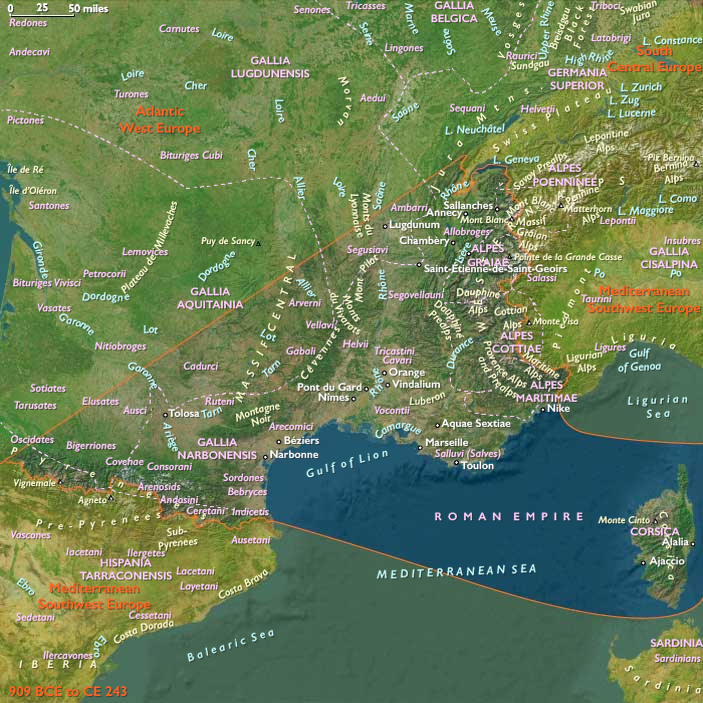
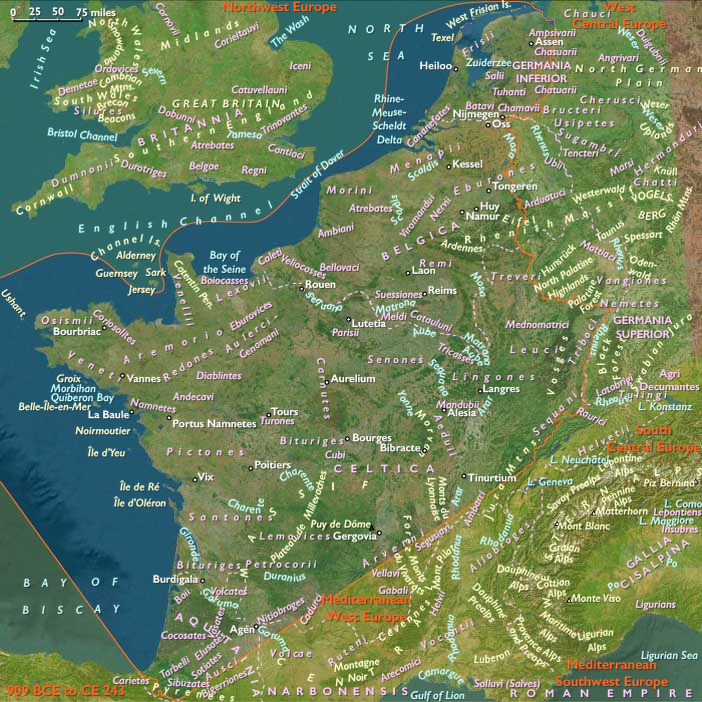
- Germanic tribes, particularly the Franks, Alamanni, and Vandals, intensified raids into Gaul, exploiting Rome’s internal instability during the Crisis of the Third Century (235–284 CE).
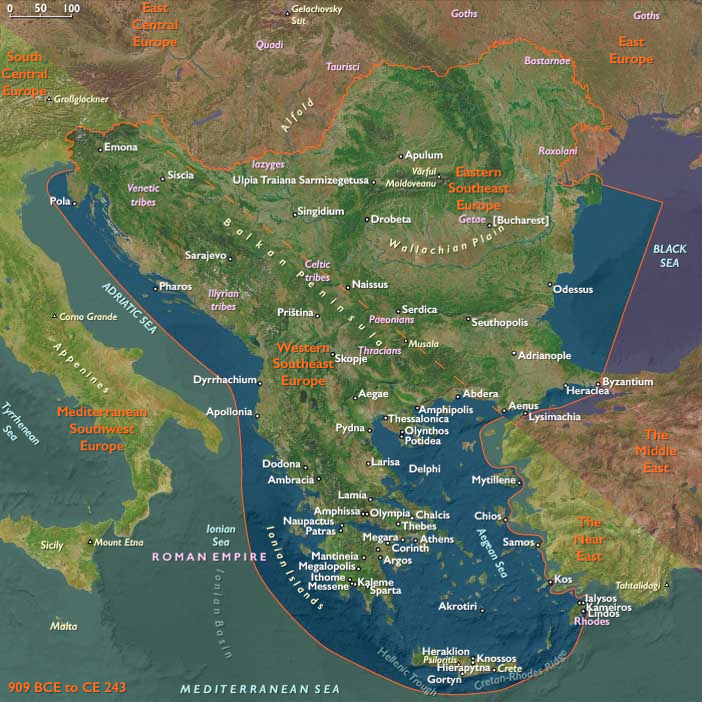
- The Goths, Gepids, and other steppe tribes crossed the Danube, raiding deep into Moesia, Thrace, and even Greece.
- These incursions strained Rome’s resources, forcing emperors to mobilize defensive campaigns and recruit more Germanic auxiliaries into the Roman army.
3. The Broader Impact on the Roman Empire
- The increased pressure on Rome’s frontiers exposed the empire’s vulnerability, requiring more permanent military garrisons along the Rhine and Danube.
- The instability of the Roman economy made it harder to fund border defenses, leading to occasional provincial collapses.
- The pattern of Germanic and steppe incursions foreshadowed the larger-scale invasions of the 4th and 5th centuries, culminating in the fall of the Western Roman Empire.
Conclusion: The Prelude to the Great Migration Period
The early movements of Germanic tribes and Gothic incursions in the 3rd century CE set the stage for the full-scale Great Migrations of the 4th and 5th centuries. These pressures on Rome’s northern borders contributed to the empire’s long-term decline, demonstrating the shifting balance of power between Rome and the Germanic world.
Groups
- Iranian peoples
- Sarmatians
- Germania
- Parthian Empire
- Iazyges, or Iazygians
- Marcomanni (Germanic tribe)
- Germania Superior (Roman province)
- Gallia Belgica (Roman province)
- Raetia (Roman province)
- Goths (East Germanic tribe)
- Quadi (Germanic tribe)
- Germans
- Noricum (Roman province)
- Moesia Superior (Roman province)
- Roman Empire (Rome): Nerva-Antonine dynasty
- Pannonia Superior (Roman province)
Topics
Subjects
Regions
Subregions
- East Central Europe
- Eastern Southeast Europe
- Mediterranean West Europe
- Atlantic West Europe
- West Central Europe
Years: 160 - 171
Groups
- Iranian peoples
- Sarmatians
- Germania
- Parthian Empire
- Iazyges, or Iazygians
- Marcomanni (Germanic tribe)
- Germania Superior (Roman province)
- Gallia Belgica (Roman province)
- Raetia (Roman province)
- Goths (East Germanic tribe)
- Quadi (Germanic tribe)
- Germans
- Noricum (Roman province)
- Moesia Superior (Roman province)
- Roman Empire (Rome): Nerva-Antonine dynasty
- Pannonia Superior (Roman province)
Topics
Subjects
Regions
Subregions
- East Central Europe
- Eastern Southeast Europe
- Mediterranean West Europe
- Atlantic West Europe
- West Central Europe