
Rome's campaigns in Spain against the belligerent …
Years: 139BCE - 139BCE
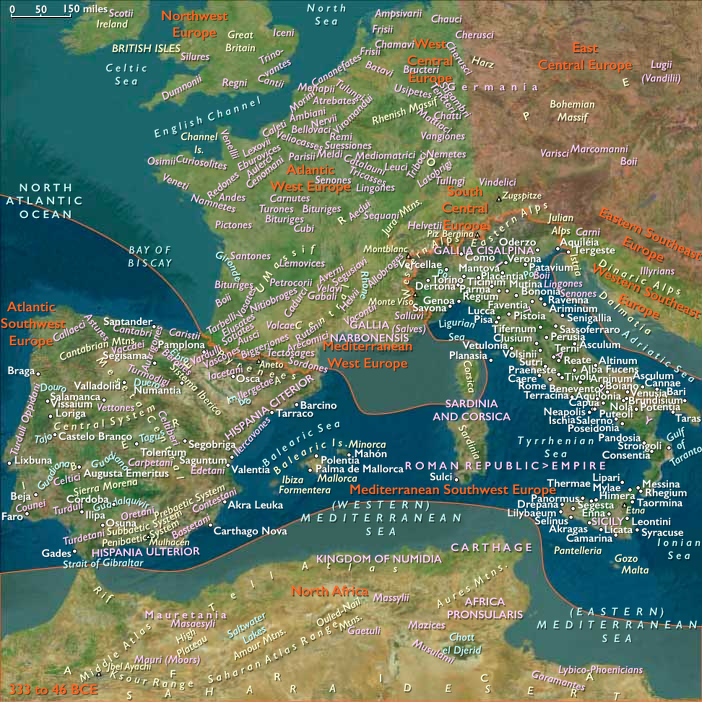
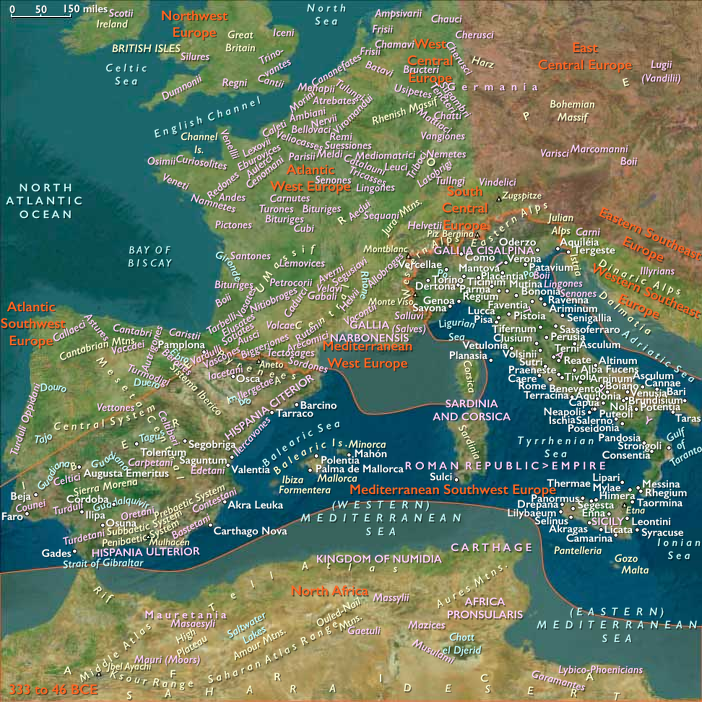
Rome's campaigns in Spain against the belligerent Iberians have been protracted, unprofitable, and costly in Roman casualties.
Following the defeat of Quintus Fabius Maximus Aemilianus by Lusitanian leader Viriathus in 142 BCE, Rome had sent one of its best generals, Q. Fabius Maximus Servilianus, to Iberia.
Near Sierra Morena, the Romans fall into a Lusitanian ambush.
Viriathus does not harm the Romans and lets the soldiers and Servilianus go.
Servilianus makes a peace term that recognizes the Lusitanian rule over the land they have conquered.
This agreement is ratified by the Roman Senate and Viriathus is declared "amicus populi Romani", an ally of the Roman people.
However, the peace brought by the treaty displeases Quintus Servilius Caepio, who had gotten himself appointed successor of his brother, Q. Fabius Maximus Servilianus, in the command of the army and administration of affairs in Iberia.
In his reports to the Roman Senate, he sustains that the treaty is in the highest degree dishonorable to Rome. (Livy seemed to have a different opinion, as he said it was a stain in Servilianus' military career but comments that the treaty was aequis, fair.)
The senate authorizes Q. Servilius Caepio, on his request, to distress Viriathus as long as it is done secretly.
Locations
People
Groups
Topics
Commodoties
Subjects
Regions
Subregions
Years: 139BCE - 139BCE
Locations
People
Groups
Topics
Commodoties
Subjects
Regions
Subregions