
Filters:
The Military Struggles and Philosophical Reflections of …
Years: 172 - 183
The Military Struggles and Philosophical Reflections of Marcus Aurelius (161–180 CE)
During the reign of Marcus Aurelius (161–180 CE), Rome faced an increasing number of internal revolts and external attacks, placing significant strain on the empire’s stability. The majority of his rule was spent defending Rome’s frontiers, particularly against the Germans and Sarmatians in the Marcomannic Wars (166–180 CE).
The Marcomannic Wars: Rome’s Struggle Against the Germanic and Sarmatian Tribes
- Beginning in 166 CE, Germanic and Sarmatian tribes launched devastating invasions into Rome’s northern provinces.
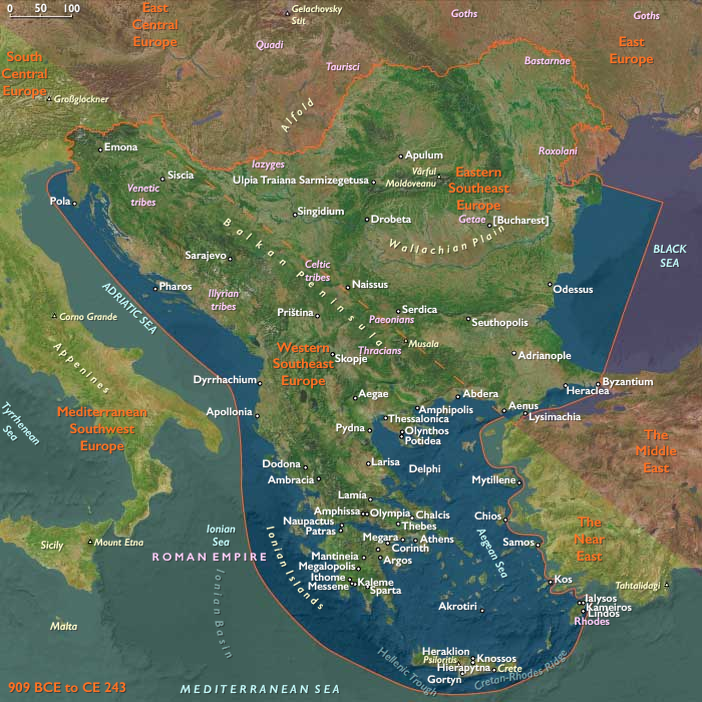
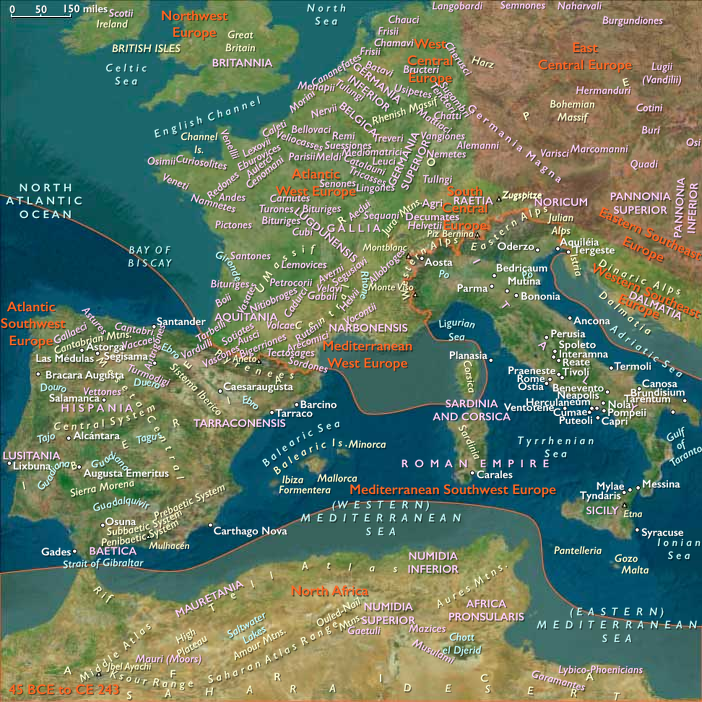
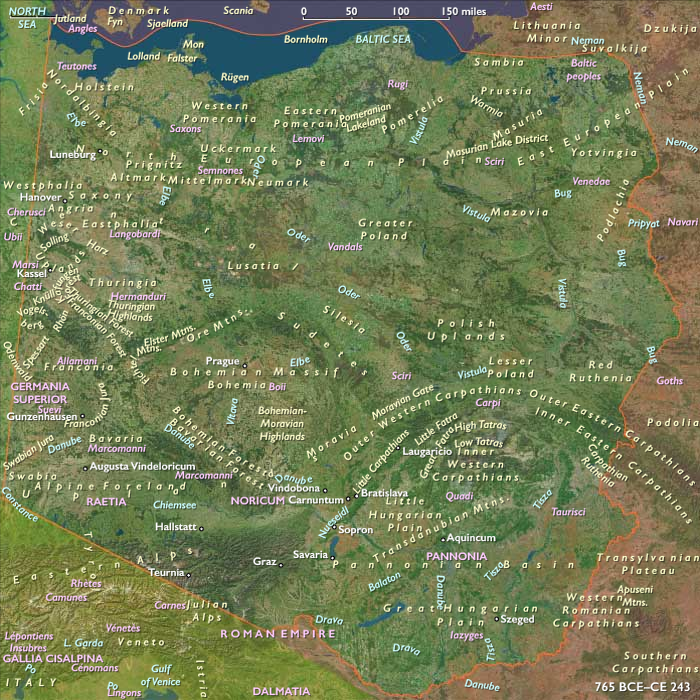
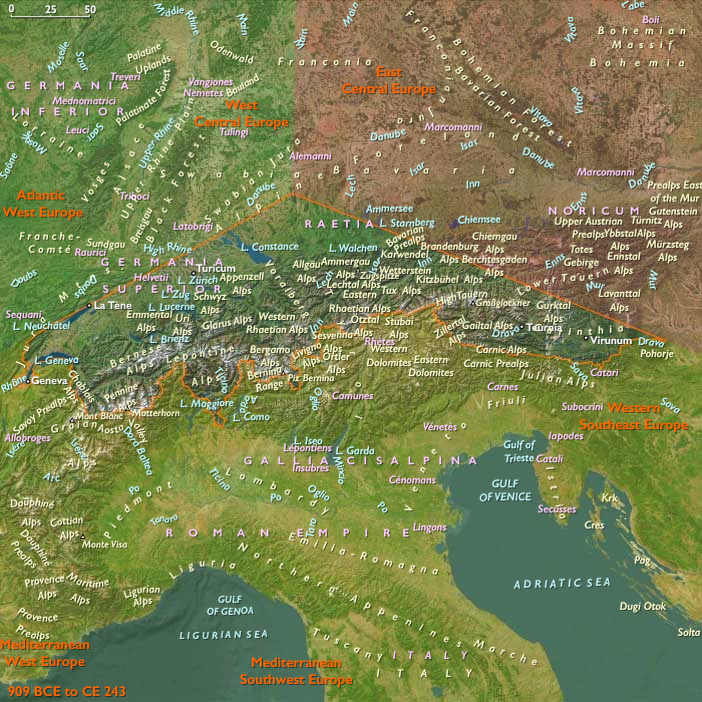
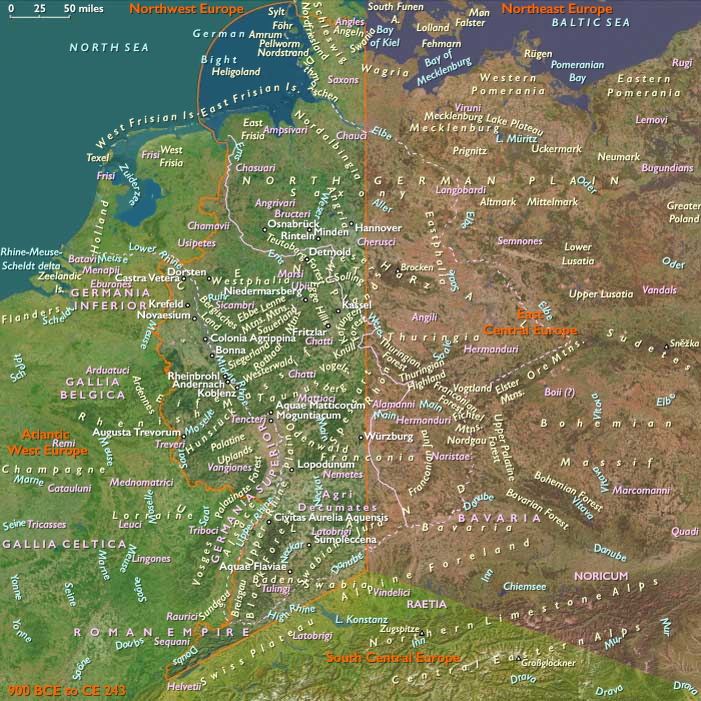
- The Marcomanni, Quadi, and Sarmatians crossed the Danube River, ravaging Pannonia and Noricum and even reaching Italy, an event unprecedented since the days of the Republic.
- Marcus Aurelius personally led the Roman legions, spending much of his reign campaigning in the Danube region.
Marcus Aurelius and the Writing of Meditations
- During these campaigns, Marcus Aurelius composed parts of his philosophical masterpiece, Meditations, a reflection on Stoic philosophy and personal ethics.
- The second book of Meditations bears the note "Among the Quadi at the Granua," indicating that it was written during his campaign against the Quadi, a Germanic tribe along the Danube.
- His writings emphasized duty, resilience, and inner peace, offering insight into his philosophical approach to leadership during a time of constant war and hardship.
A Time of Internal and External Crises
- Apart from the Germanic wars, Rome faced rebellions and internal strife:
- Revolts in the Eastern provinces, particularly in Egypt and Syria, required military intervention.
- The empire was still recovering from the Antonine Plague (165–180 CE), which devastated both the population and the military.
- Economic difficulties and political instability added to the empire’s growing vulnerabilities.
The Legacy of Marcus Aurelius' Reign
- His reign is often seen as the last phase of the Pax Romana, after which Rome would enter a prolonged period of instability.
- Despite his successful campaigns, the Germanic pressure on the Danube frontier persisted, leading to further conflicts in later years.
- His death in 180 CE and the succession of his son Commodus marked the beginning of Rome’s gradual decline, culminating in the Crisis of the Third Century (235–284 CE).
Marcus Aurelius remains one of Rome’s most respected emperors, both for his military leadership and for his philosophical contributions, which continue to influence Stoic thought and ethical leadership today.
People
Groups
- Sarmatians
- Iazyges, or Iazygians
- Marcomanni (Germanic tribe)
- Quadi (Germanic tribe)
- Germans
- Roman Empire (Rome): Nerva-Antonine dynasty
Topics
Subjects
Regions

Subregions
- East Central Europe
- Western Southeast Europe
- South Central Europe
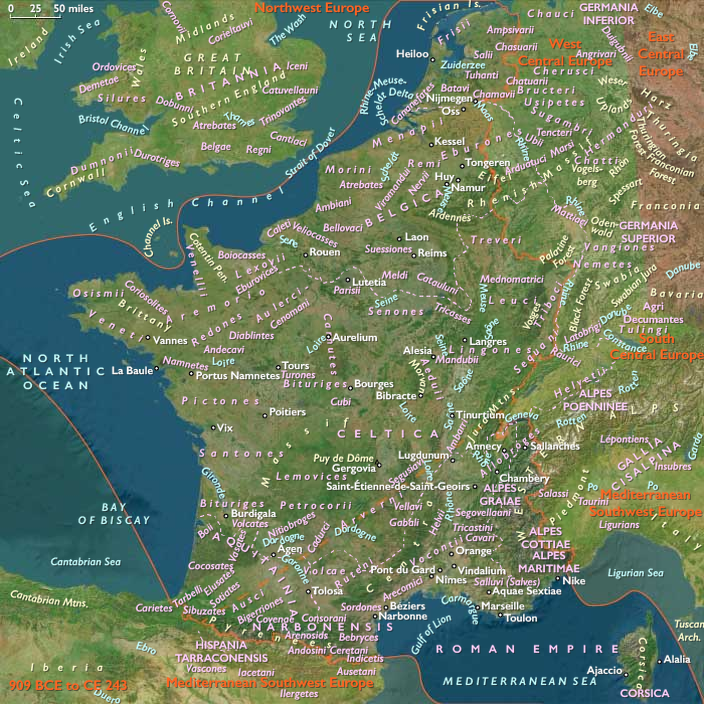
- Atlantic West Europe
- West Central Europe


Years: 172 - 183
People
Groups
- Sarmatians
- Iazyges, or Iazygians
- Marcomanni (Germanic tribe)
- Quadi (Germanic tribe)
- Germans
- Roman Empire (Rome): Nerva-Antonine dynasty
Topics
Subjects
Regions
Subregions
- East Central Europe
- Western Southeast Europe
- South Central Europe
- Atlantic West Europe
- West Central Europe