
Gaius (or Caius) Plinius Caecilius Secundus, better …
Years: 111 - 111
Gaius (or Caius) Plinius Caecilius Secundus, better known as Pliny the Younger, is a remarkable writer.
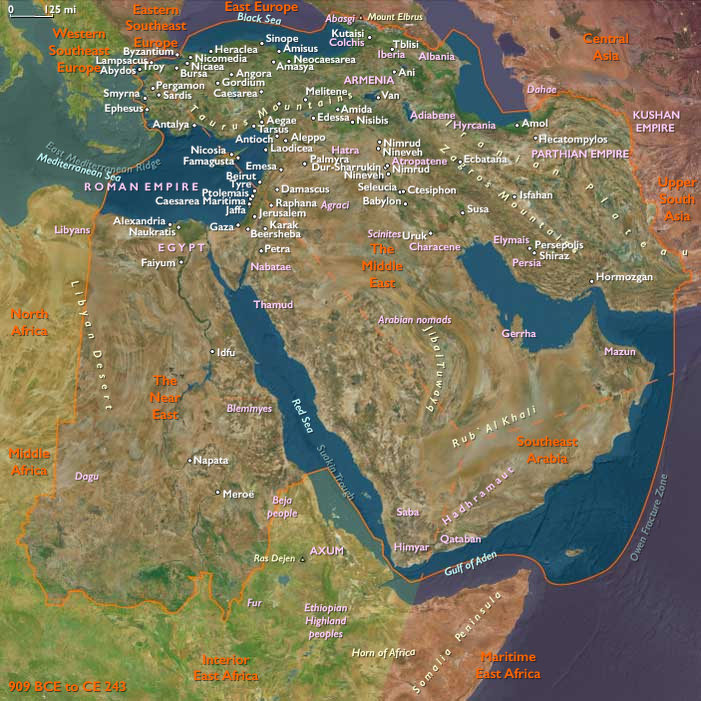
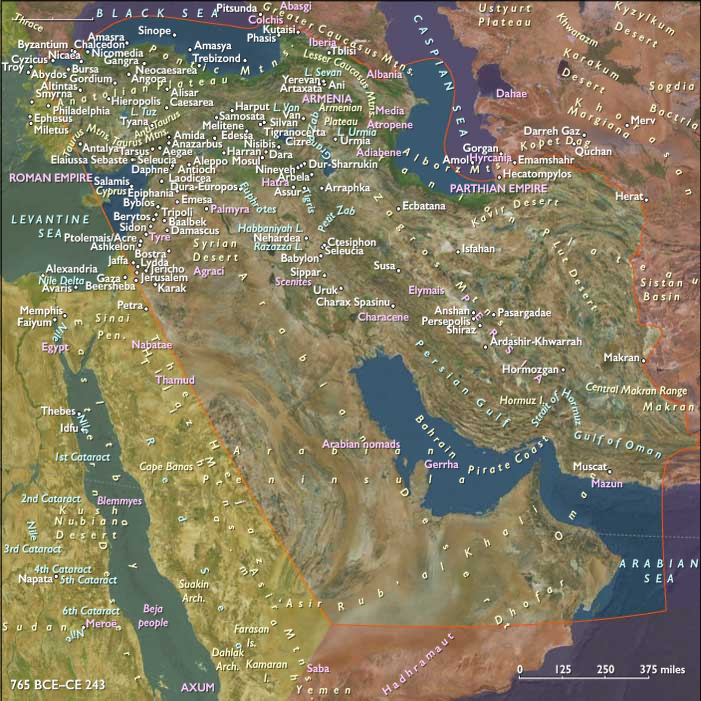
A maternal nephew of the celebrated author and naturalist Pliny the Elder, he has served the empire as consul (with Cornutus Tertullus, in 100), Propraetor of Bithynia from 103, publicly elected Augur in 103-104, Superintendent for the banks of the Tiber (curator alvei Tiberis) in 104-106, been three times a member of Trajan's judicial council from 104 to 107, and had been made the Emperor's ambassador (legatus Augusti) in Bithynia-Pontus in 110.
Pliny is over fifty in 111 when he becomes governor of Bithynia.
The only oration of Pliny’s that now survives is the Panegyricus Trajani.
Pronounced in the Senate in 100, it is a description of Trajan's figure and actions in an adulatory and emphatic form, especially contrasting him with the much-detested Emperor Domitian.
The largest body of Pliny’s surviving work is his Letters (Epistulae), a series of personal missives directed to his friends and associates.
These letters are a unique testimony of Roman administrative history and everyday life in the first century.
The style is very different from that in the Panegyricus and some commentators affirm that Pliny is the initiator of a new particular genre: the letter written for publication.
In one, not written until 112, he asks the Emperor for instructions over the policy to follow with the Christians; in another, he describes the eruption of the Vesuvius that interred his uncle and to which he attended when he was eighteen years old.
The Epistulae are usually treated as two halves: those in Books 1 to 9, which Pliny had prepared for publication between 100 and 109, and those in Book 10, all of which are written to or by the Emperor Trajan during Pliny's governorship of Bithynia-Pontus, which position he will hold until his sudden death in 113.
This final book is, significantly, not intended for publication.
Locations
People
Groups
Topics
Commodoties
Subjects
Regions
Subregions
Years: 111 - 111
Locations
People
Groups
Topics
Commodoties
Subjects
Regions
Subregions