
Richard of Conisburgh, a grandson of Edward …
Years: 1415 - 1415
August
Richard of Conisburgh, a grandson of Edward III (through his fifth son Edmund, Duke of York and husband of Anne Mortimer, had in the Parliament of 1414 been created Earl of Cambridge, a title formerly held by his elder brother, Edward, 2nd Duke of York, who had earlier ceased to be Earl of Cambridge either by resignation of the title, or deprivation.
However Richard's creation as Earl of Cambridge had brought with it no accompanying grant of lands, and according to Harriss, Cambridge was 'the poorest of the earls' who were to set out on Henry V's invasion of France, and lacked the resources to properly equip himself for the expedition. (Harriss, G. L. (2004). Richard, earl of Cambridge (1385–1415). Oxford Dictionary of National Biography)
Perhaps partly for this reason, Cambridge conspires with Henry Scrope, 3rd Baron Scrope of Masham (whose uncle Richard le Scrope had been executed for his part in a 1405 revolt also supporting Mortimer's right), and Sir Thomas Grey (whose son, Thomas, had been betrothed in 1412 to Cambridge's only daughter, Isabel) to depose King Henry, and place his late wife Anne's brother, Edmund Mortimer, 5th Earl of March, on the throne.
The nominal principal, the Earl of March, had informed King Henry of the plot on July 31, stating that he had only just become aware of it.
Richard, Scrope, and Grey are promptly arrested.
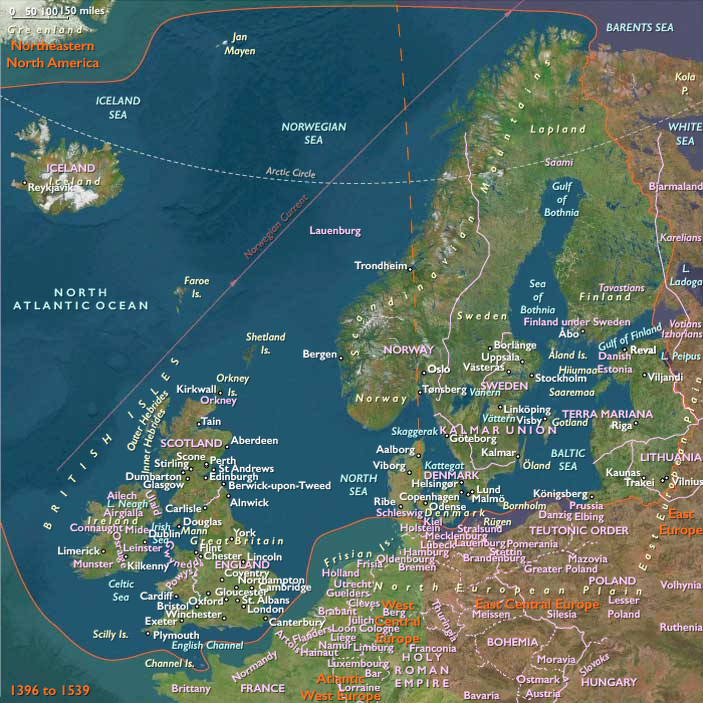
The trial takes place in Southampton, on the site now occupied by the Red Lion Inn.
Mortimer is on the commission that condemns Cambridge to death.
Grey is beheaded on August 2 and the two peers on August 5, both in front of the Bargate, and buried in the chapel of God's House at Southampton.
Henry, satisfied, on August 11 sails for France.
Locations
People
Groups
Topics
- Hundred Years' War
- Hundred Years' War: Second Peace
- Hundred Years' War: Resumption of the war under Henry V
- Southampton Plot
Commodoties
Subjects
Regions
Subregions
Related Events
Showing 2 events out of 2 total
Years: 1415 - 1415
August
Locations
People
Groups
Topics
- Hundred Years' War
- Hundred Years' War: Second Peace
- Hundred Years' War: Resumption of the war under Henry V
- Southampton Plot
Commodoties
Subjects
Regions
Subregions