
Spain's new government appoints General Carlos Maria …
Years: 1864 - 1875
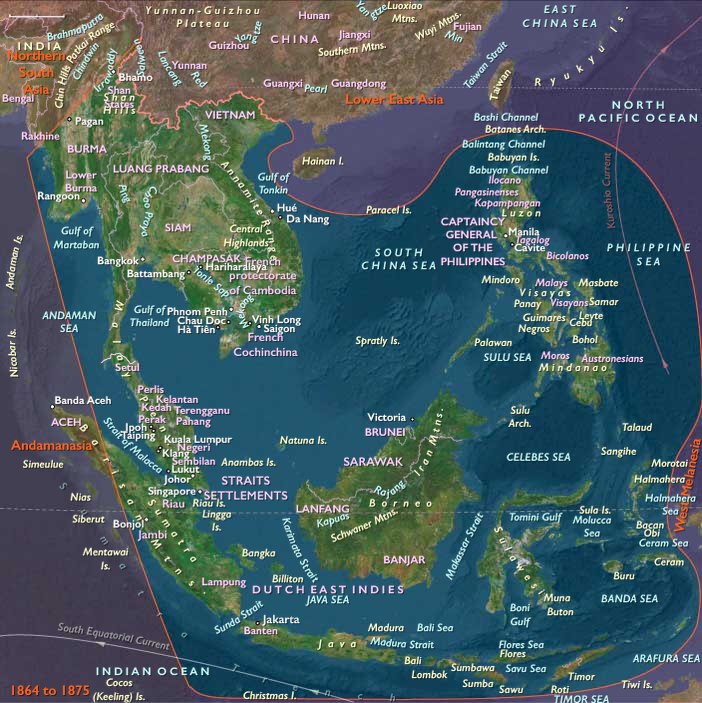
Spain's new government appoints General Carlos Maria de la Torre governor of the Philippines following the Spanish revolution of September 1868, in which the unpopular Queen Isabella II had been deposed.
An outspoken liberal, de la Torre extends to Filipinos the promise of reform.
In a break with established practice, he fraternizes with Filipinos, invites them to the governor's palace, and rides with them in official processions.
Filipinos in turn welcome de la Torre warmly, hold a "liberty parade" to celebrate the adoption of the liberal 1869 Spanish constitution, and establish a reform committee to lay the foundations of a new order.
Prominent among de la Torre's supporters in Manila are professional and business leaders of the ilustrado community and, perhaps more significantly, Filipino secular priests.
These include the learned Father Jose Burgos, a Spanish mestizo, who has published a pamphlet, Manifesto to the Noble Spanish Nation, criticizing those racially prejudiced Spanish who barred Filipinos from the priesthood and government service.
For a brief time, the tide seems to be turning against the friars.
In December 1870, the archbishop of Manila, Gregorio Meliton Martinez, writes to the Spanish regent advocating secularization and warning that discrimination against Filipino priests will encourage anti-Spanish sentiments.
Locations
Groups
- Chinese (Han) people
- Benedictines, or Order of St. Benedict
- Christians, Roman Catholic
- Augustinians, or Order of St. Augustine
- Dominicans, or Order of St. Dominic
- New Spain, Viceroyalty of
- Jesuits, or Order of the Society of Jesus
- Philippines, Spanish colony of the
- Spain, Bourbon Kingdom of
- Filipinos
Topics
Subjects
Regions
Subregions
Years: 1864 - 1875
Locations
Groups
- Chinese (Han) people
- Benedictines, or Order of St. Benedict
- Christians, Roman Catholic
- Augustinians, or Order of St. Augustine
- Dominicans, or Order of St. Dominic
- New Spain, Viceroyalty of
- Jesuits, or Order of the Society of Jesus
- Philippines, Spanish colony of the
- Spain, Bourbon Kingdom of
- Filipinos
Topics
Subjects
Regions
Subregions