
Filters:
The church's work of converting Filipinos is …
Years: 1540 - 1683
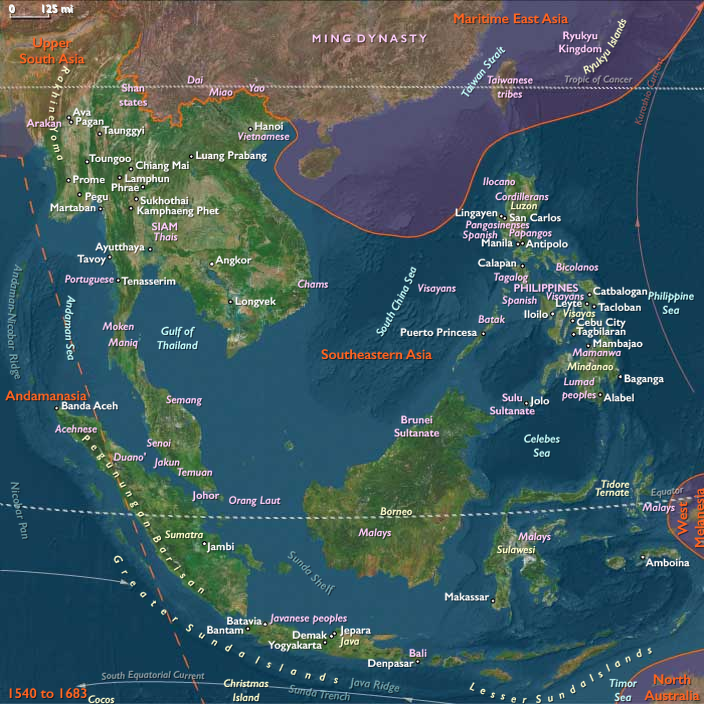
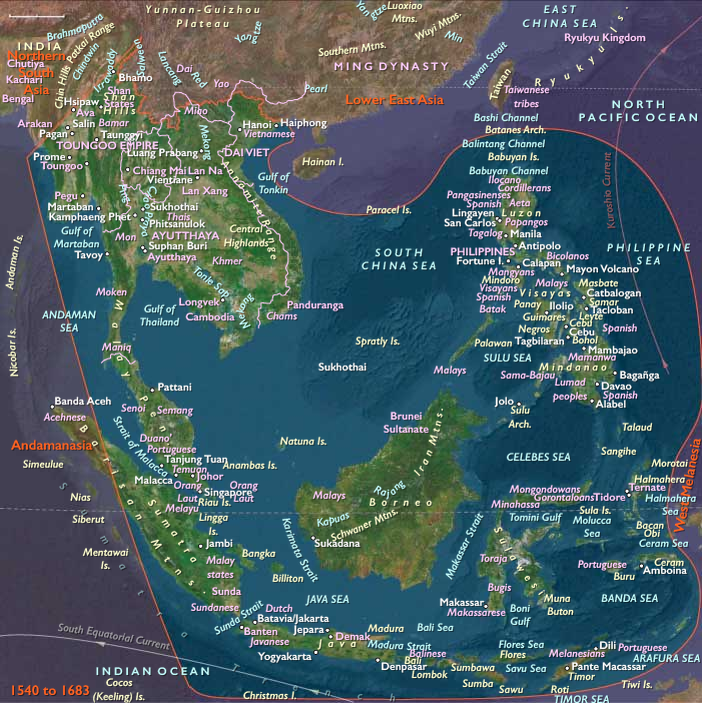
The church's work of converting Filipinos is facilitated by the absence of other organized religions, except for Islam, which predominates in the south.
The missionaries have their greatest success among women and children, although the pageantry of the church has a wide appeal, reinforced by the incorporation of Filipino social customs into religious observances, for example, in the fiestas celebrating the patron saint of a local community
The eventual outcome is a new cultural community of the main Malay lowland population, from which the Muslims (known by the Spanish as Moros, or Moors) and the upland tribal peoples of Luzon remain detached and alienated.
The missionaries have their greatest success among women and children, although the pageantry of the church has a wide appeal, reinforced by the incorporation of Filipino social customs into religious observances, for example, in the fiestas celebrating the patron saint of a local community
The eventual outcome is a new cultural community of the main Malay lowland population, from which the Muslims (known by the Spanish as Moros, or Moors) and the upland tribal peoples of Luzon remain detached and alienated.
Locations
People
Groups
- Negrito
- Igorot people
- Malays, Ethnic
- Islam
- Philippines, pre-Spanish
- Christians, Roman Catholic
- Augustinians, or Order of St. Augustine
- Franciscans, or Order of St. Francis
- Dominicans, or Order of St. Dominic
- Moro people
- Spain, Habsburg Kingdom of
- Spaniards (Latins)
- Jesuits, or Order of the Society of Jesus
- Philippines, Spanish colony of the
Topics
Commodoties
Subjects
Regions
Subregions
Years: 1540 - 1683
Locations
People
Groups
- Negrito
- Igorot people
- Malays, Ethnic
- Islam
- Philippines, pre-Spanish
- Christians, Roman Catholic
- Augustinians, or Order of St. Augustine
- Franciscans, or Order of St. Francis
- Dominicans, or Order of St. Dominic
- Moro people
- Spain, Habsburg Kingdom of
- Spaniards (Latins)
- Jesuits, or Order of the Society of Jesus
- Philippines, Spanish colony of the
Topics
Commodoties
Subjects
Regions
Subregions