
…receive the submission of Andros, then continue …
Years: 490BCE - 490BCE
June
…receive the submission of Andros, then continue to …
Locations
Groups
- Athens, City-State of
- Ionians
- Greece, classical
- Persian people
- Naxos (Ionian Greek) city-state of
- Eretria, City-State of
- Achaemenid, or First Persian, Empire
Topics
- Younger Subboreal Period
- Iron Age Europe
- Iron Age Cold Epoch
- Classical antiquity
- Greco-Persian Wars, Early
- Persian Invasion of Greece, First
- Marathon, Battle of
Commodoties
Subjects
Regions
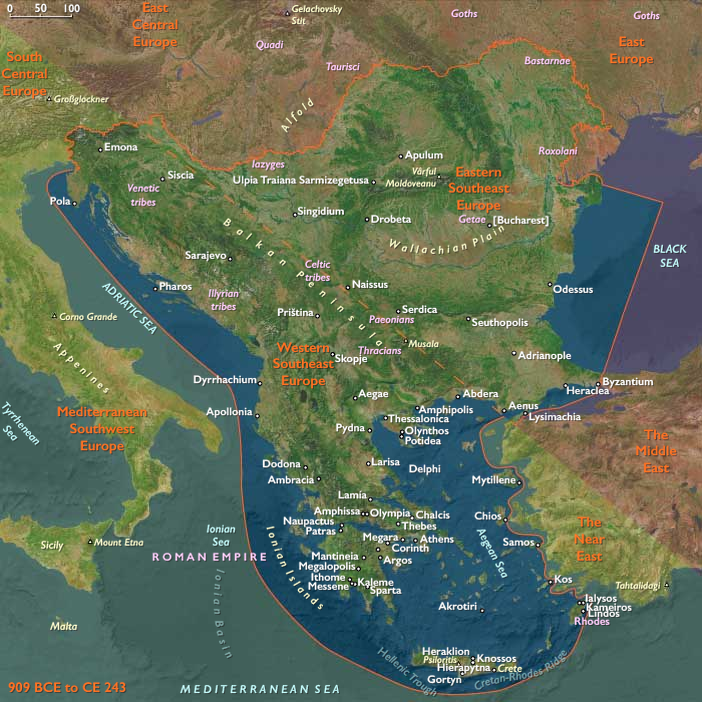
Subregions
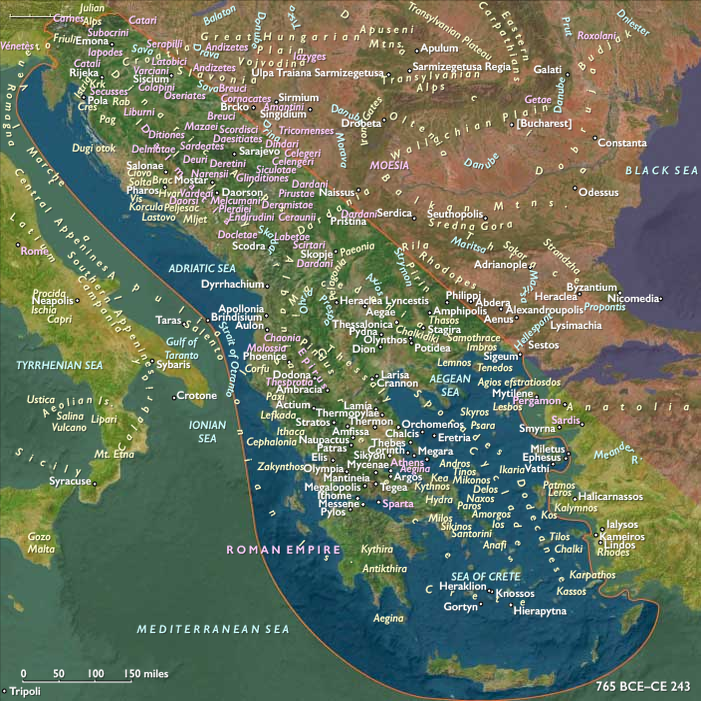
Related Events
Showing 10 events out of 65634 total
Years: 490BCE - 490BCE
June
Locations
Groups
- Athens, City-State of
- Ionians
- Greece, classical
- Persian people
- Naxos (Ionian Greek) city-state of
- Eretria, City-State of
- Achaemenid, or First Persian, Empire
Topics
- Younger Subboreal Period
- Iron Age Europe
- Iron Age Cold Epoch
- Classical antiquity
- Greco-Persian Wars, Early
- Persian Invasion of Greece, First
- Marathon, Battle of
Commodoties
Subjects
Regions
Subregions