The Battle of Simancas (939 CE) and Ramiro II’s Triumph
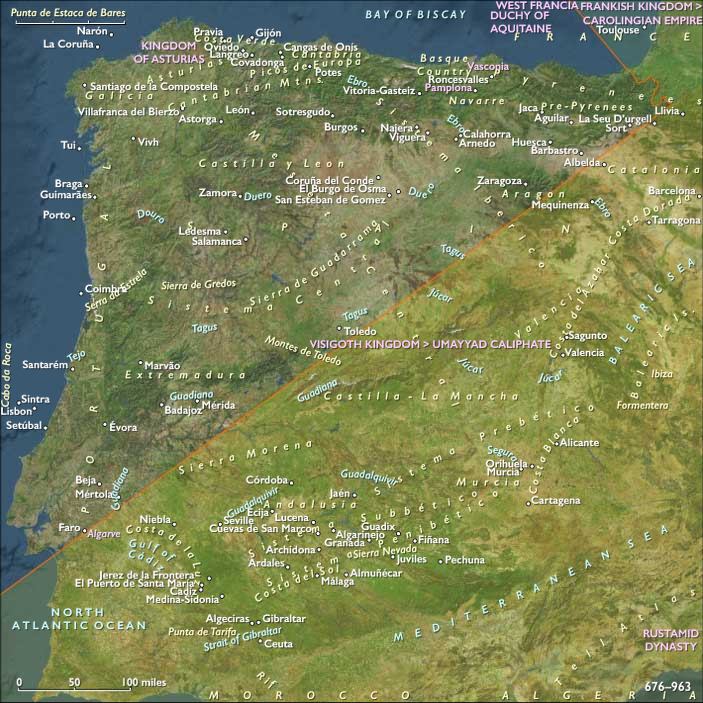
In 939 CE, King Ramiro II of León forms a coalition with the Kingdom of Pamplona to face a major counteroffensive from Al-Andalus. The two Christian armies meet the forces of Caliph Abd ar-Rahman III at the Battle of Simancas, a pivotal clash in the Reconquista.
During the battle, the Leonese-Pamplonese coalition decisively defeats the Andalusian army, nearly killing Abd ar-Rahman III in the process. Some historical accounts suggest that treason from Arabic elements within the Caliph’s forces may have contributed to his defeat.
The Consequences of Victory
- Leonese Expansion: The victory at Simancas allows Ramiro II to push the Leonese border from the Duero to the Tormes River, further securing Christian control over the frontier.
- Abd-ar-Rahman Withdraws from Command: After this humiliating defeat, Abd ar-Rahman III ceases to personally lead military campaigns, shifting his focus to consolidating power within Al-Andalus.
- Internal Christian Conflicts: Despite the victory, Ramiro II soon faces a new challenge from within his own ranks. One of the Christian leaders at Simancas, Fernán González of Castile, launches a rebellion against Ramiro, weakening the unity of the Christian kingdoms.
Long-Term Impact
The Battle of Simancas secures Christian military dominance in Iberia for a time, allowing the Kingdom of León to hold the initiative until the defeat of Ramiro’s successor, Ordoño III, in 956 CE. However, the Christian kingdoms fail to press their advantage, as internal divisions and civil wars erupt, preventing further gains against Al-Andalus.