
Ram Khamhaeng, the third king of the …
Years: 1348 - 1359
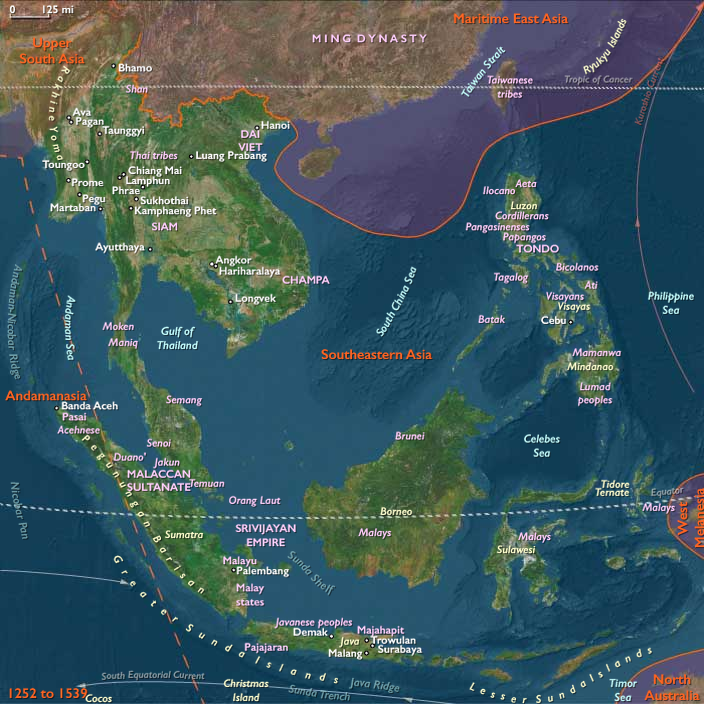
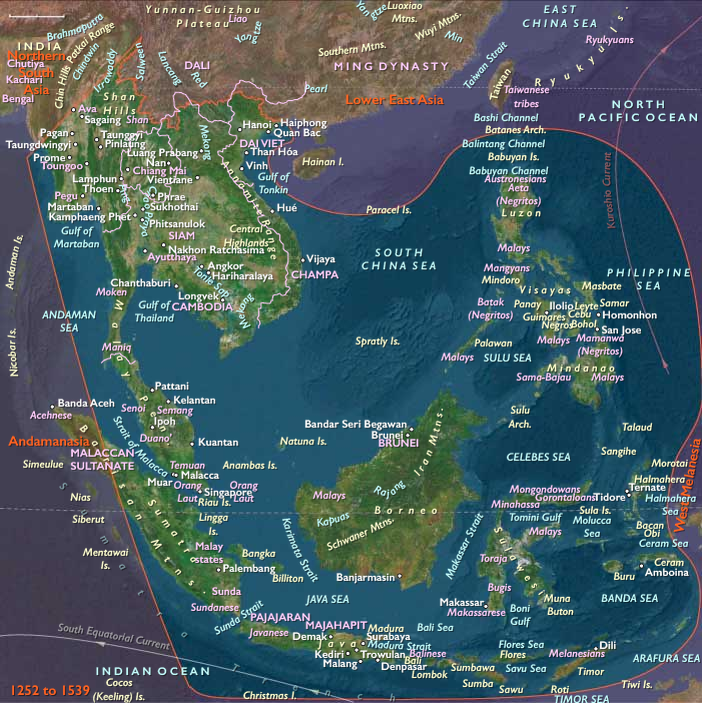
Ram Khamhaeng, the third king of the Phra Ruang dynasty, who ruled the Sukhothai Kingdom (a forerunner of the modern kingdom of Thailand) from 1279–1298, during its most prosperous era, is credited with the creation of the Thai alphabet and the firm establishment of Theravada Buddhism as the state religion of the kingdom.
Much of the traditional biographical information on him comes from the inscription on the Ramkhamhaeng stele, composed in 1292, and now in the National Museum in Bangkok.
This stone allegedly was discovered in 1833 by King Mongkut, at the time a Buddhist a monk, in Wat Mahathat.
The authenticity of the stone—or at least portions of it —has been brought into question.
Piriya Krairiksh, an academic at the Thai Khadi Research institute, notes that the stele's treatment of vowels suggests that its creators had been influenced by European alphabet systems.
He concluded that the stele was fabricated by someone during the reign of Rama IV or shortly before.
The subject is very controversial, since if the stone is a fake, the entire history of the period will have to be re-written Scholars are sharply divided on the stele's authenticity.
It remains an anomaly among contemporary writings, and no other source refers to King Ramkhamhaeng by name.
Some scholars claim the inscription was completely a nineteenth-century fabrication; others claim the first seventeen lines are genuine; while a third view is that the inscription was fabricated by King Lithai (a later Sukhothai king).
Most Thai scholars hold to the inscription's authenticity.
The Ramkhamhaeng stele has also been brought into the discussions of the Wat Traimit Golden Buddha, a famous Bangkok tourist attraction.
In lines 23-27 of the first stone slab of the stele, "a gold Buddha image" is mentioned as being located "in the middle of Sukhothai City".
This has been interpreted by some as referring to the Wat Traimit Golden Buddha.
Officially titled Phra Phuttha Maha Suwan Patimakon and today located in the temple of Wat Traimit, Bangkok, Thailand, he Golden Buddha is the world's largest solid gold statue, with a weight of five and a half tons (fifty-five hundred kilograms).
The origins of this statue are uncertain.
It is made in the Sukhothai Dynasty style of the thirteenth and fourteenth centuries, though it could have been made after that time.
The head of the statue is egg-shaped, which indicates its origin in the Sukothai period.
Given that Sukothai art has Indian influences and metal figures of the Buddha made in India used to be taken to various countries for installation, this suggests the Golden Buddha statue may have been cast in parts in India.
Later, the statue is probably moved from Sukhothai to Ayutthaya, about 1403 The scholarly Lithai, who had ascended the throne in 1347, devotes his reign to the advancement of Therevada Buddhism but neglects the kingdom’s defenses.
Locations
People
Groups
Topics
Commodoties
Subjects
- Commerce
- Symbols
- Sculpture
- Labor and Service
- Decorative arts
- Style
- Conflict
- Faith
- Government
- Technology
- Mystery
Regions
Subregions
Years: 1348 - 1359
Locations
People
Groups
Topics
Commodoties
Subjects
- Commerce
- Symbols
- Sculpture
- Labor and Service
- Decorative arts
- Style
- Conflict
- Faith
- Government
- Technology
- Mystery
Regions
Subregions