The Iberian Union (1580–1640): Portugal Under Spanish Rule
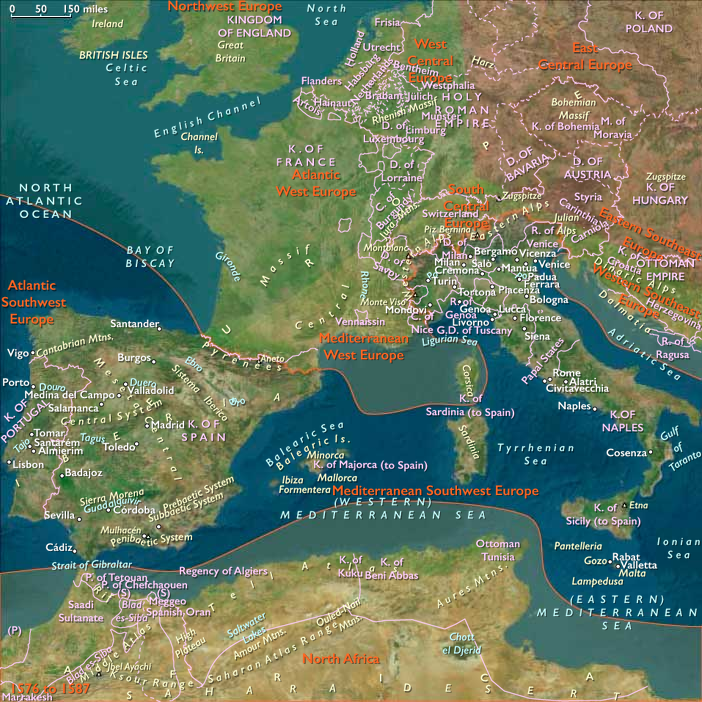
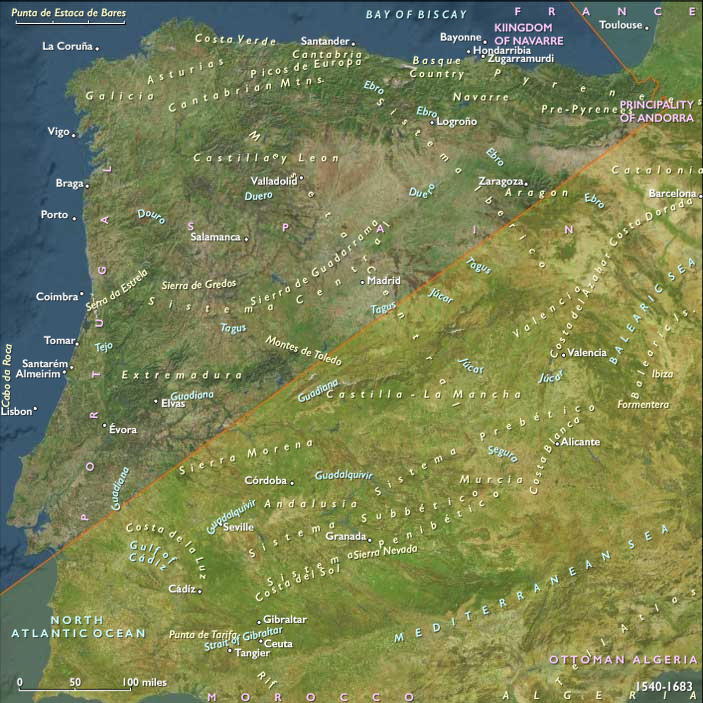
After defeating Dom António’s resistance in 1580, Philip II of Spain was acclaimed King of Portugal as Philip I, formally recognized by the Cortes of Tomar in 1581. However, the union came with conditions—Portugal was to remain a separate and autonomous kingdom, with its own laws, currency, government, and overseas empire.
Thus began the Iberian Union (1580–1640), a personal union of the Spanish and Portuguese crowns, in which both kingdoms were ruled by the same monarch but maintained formal independence.
The Cortes of Tomar (1581) and the Terms of Union
At the Cortes of Tomar in 1581, Philip I (Philip II of Spain) pledged to respect Portuguese autonomy, agreeing to:
- Maintain Portugal’s separate institutions and laws.
- Keep Portuguese officials in power, including in colonial administration.
- Ensure that Portugal and its overseas empire would not be absorbed into Spain as provinces.
- Govern Portugal separately from Spain, appointing a Portuguese viceroy to oversee affairs.
Despite these guarantees, Spanish influence over Portugal gradually increased, causing resentment and political instability over time.
Effects of the Iberian Union
-
Loss of Political Independence
- Although Portugal remained nominally autonomous, its kings resided in Madrid, prioritizing Spanish interests over Portuguese ones.
- Portuguese nobility lost direct influence over their own monarchy, leading to dissatisfaction and unrest.
-
Weakened Colonial Empire
- Portugal became entangled in Spain’s conflicts with England and the Dutch Republic, leading to attacks on Portuguese colonies.
- The Dutch seized Portuguese possessions in the East Indies and Brazil, weakening Portugal’s global empire.
-
Economic Decline
- Spanish taxation and military demands drained Portugal’s wealth, causing economic hardship.
- Lisbon declined as a European trade hub, as Spanish interests shifted commerce elsewhere.
End of the Iberian Union (1640)
- By the 1630s, resentment against Spanish rule grew, fueled by Portugal’s economic struggles and colonial losses.
- On December 1, 1640, the Portuguese Restoration War began, leading to the House of Braganza reclaiming the throne under King John IV, restoring Portugal’s full independence.
Conclusion: Portugal Under Spanish Rule but Not Assimilated
The Iberian Union (1580–1640) was a personal union of crowns, not a full annexation—Portugal remained formally independent, but in practice, it was governed from Madrid. While Philip II upheld Portuguese autonomy, later Spanish monarchs eroded it, setting the stage for Portugal’s rebellion and restoration of independence in 1640.