
The Death of King Manuel I and …
Years: 1521 - 1521
December
The Death of King Manuel I and the Ascension of John III (1521)
On December 13, 1521, King Manuel I of Portugal, known as "The Fortunate" (O Venturoso), died after a reign that had secured Portugal’s position as a global maritime empire. His nineteen-year-old son, John III, succeeded him, inheriting an empire at its height but also facing new challenges.
The Achievements of Manuel I ("The Fortunate")
-
Wealth from Global Trade
- The royal monopoly on trade with Africa and the East Indies brought immense wealth to the Portuguese Crown.
- Lisbon became the leading trade hub for Asian spices, gold from Africa, and luxury goods from across the empire.
-
Strengthening Royal Power
- Manuel attracted aristocrats to his court, reinforcing royal prestige.
- He expanded crown control over local administration, consolidating Portuguese governance.
-
Patronage of the Arts and Architecture
- Lisbon flourished under Manuel’s patronage, filled with new palaces, churches, and public buildings.
- The Manueline style, a blend of Gothic, Renaissance, and maritime motifs, reached its peak in buildings like:
- The Jerónimos Monastery
- The Belém Tower
-
Overseas Expansion
- Manuel’s reign saw Portuguese dominance in the Indian Ocean, with major conquests like:
- Goa (1510) – Established as Portugal’s capital in India.
- Malacca (1511) – Secured Portugal’s control over the spice trade.
- Hormuz (1515) – Strengthened Portugal’s hold on the Persian Gulf.
- Manuel’s reign saw Portuguese dominance in the Indian Ocean, with major conquests like:
The Ascension of John III (1521)
- At just nineteen years old, John III inherited a vast and wealthy empire.
- Unlike his father, John III would focus on consolidation rather than expansion, facing:
- Rising administrative costs of maintaining Portugal’s global territories.
- Religious tensions as Portugal strengthened its ties with the Catholic Church, eventually leading to the Portuguese Inquisition (1536).
Conclusion: A Golden Age at a Crossroads
King Manuel I’s death in 1521 marked the end of Portugal’s most glorious era of expansion. His son, John III, would inherit a powerful empire, but also face the challenges of managing and sustaining its vast territories. The transition from Manuel I’s expansionism to John III’s consolidation would define Portugal’s global standing for the rest of the 16th century.
Locations
People
Groups
Topics
- Renaissance Architecture
- Age of Discovery
- Colonization of Asia, Portuguese
- Portuguese Conquests in India and the East Indies
Commodoties
Subjects
- Commerce
- Architecture
- Labor and Service
- Style
- Conflict
- Exploration
- Faith
- Government
- Technology
- Finance
Regions
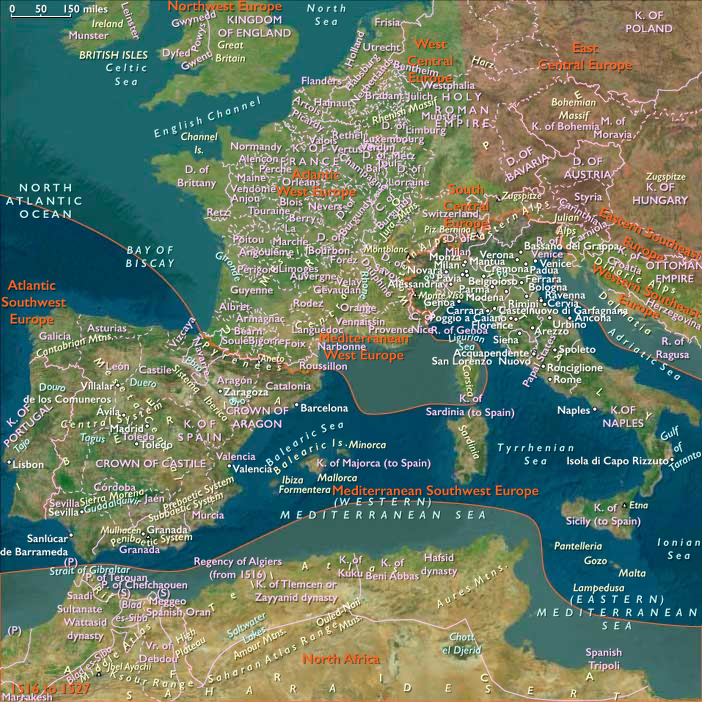
Subregions
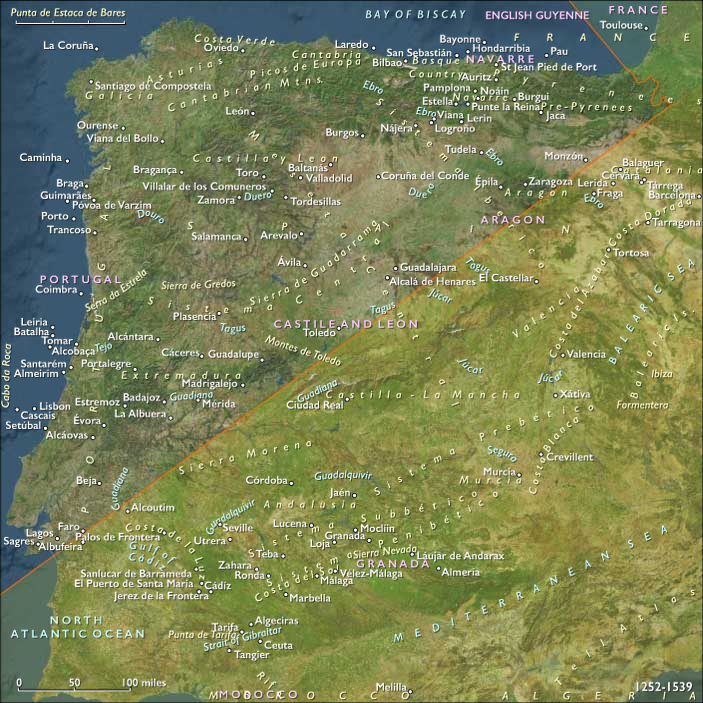
Years: 1521 - 1521
December
Locations
People
Groups
Topics
- Renaissance Architecture
- Age of Discovery
- Colonization of Asia, Portuguese
- Portuguese Conquests in India and the East Indies
Commodoties
Subjects
- Commerce
- Architecture
- Labor and Service
- Style
- Conflict
- Exploration
- Faith
- Government
- Technology
- Finance
Regions
Subregions