
The Reconsecration of Pepin and the Birth …
Years: 754 - 754
January
The Reconsecration of Pepin and the Birth of the Papal States (754)
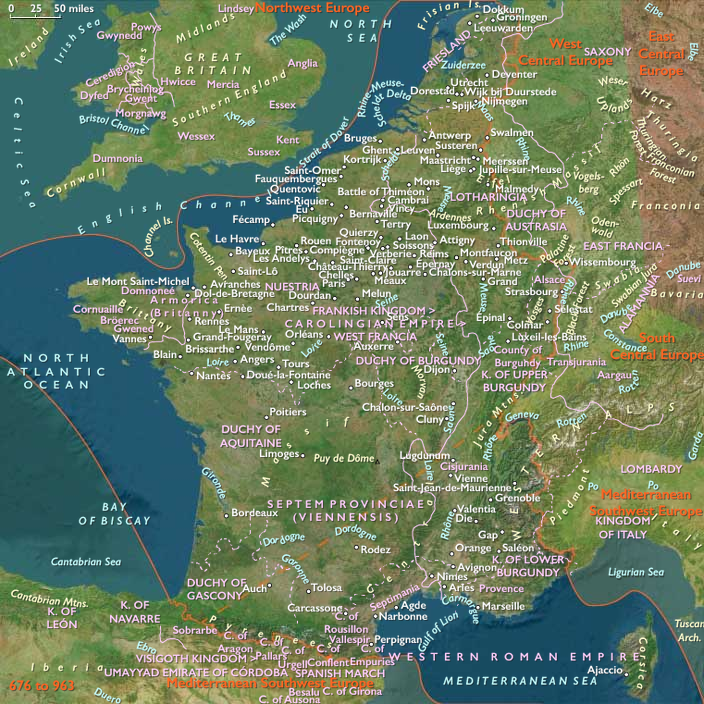
On January 6, 754, fulfilling his part of the Frankish-papal alliance, Pope Stephen II reconsecrates Pepin the Shortas King of the Franks in a lavish ceremony at the Basilica of St. Denis in Paris. This marks the first time a pope personally anoints a Frankish ruler, reinforcing Pepin’s legitimacy and further breaking ties between the Frankish kingdom and the Byzantine Empire.
The Title of Patricius Romanorum
During the ceremony, Stephen bestows upon Pepin the additional title of Patricius Romanorum (Patrician of the Romans). This title, traditionally associated with Byzantine-appointed governors in Italy, now signals Pepin’s role as the protector of Rome and the papacy—a function previously performed by the Eastern Roman Empire, but now assumed by the Franks due to Byzantium’s inability to defend the papal territories from the Lombards.
The Donation of Pepin and Its Lasting Impact
Pepin’s military commitment to reclaiming land from the Lombards, known as the Donation of Pepin, soon strengthens the claim of the popes to the de facto core of the Papal States. This agreement formally transfers former Byzantine territories in central Italy to papal control, laying the groundwork for a territorially independent Papal States that will endure for over a millennium.
However, this also creates an unintended consequence:
- The increased power of the popes as secular rulers invites Frankish and later imperial interference in papal elections, as rulers seek to control the selection of the pope to ensure he aligns with their political interests.
- The papacy’s growing reliance on the Franks deepens the West’s separation from Byzantium, setting the stage for the eventual rupture between the Latin and Greek churches.
Thus, the events of 754 mark a fundamental shift in European politics, strengthening Carolingian rule, securing papal independence, and redefining Frankish-papal relations—a dynamic that will shape medieval Europe for centuries to come.
Locations
People
Groups
- Christianity, Chalcedonian
- Rome, Duchy of
- Lombards (Italy), Kingdom of the
- Roman Empire, Eastern: Isaurian dynasty
- Francia (Carolingians)
Topics
Commodoties
Subjects
Regions
Subregions
Related Events
Showing 10 events out of 55245 total
Years: 754 - 754
January
Locations
People
Groups
- Christianity, Chalcedonian
- Rome, Duchy of
- Lombards (Italy), Kingdom of the
- Roman Empire, Eastern: Isaurian dynasty
- Francia (Carolingians)
Topics
Commodoties
Subjects
Regions
Subregions