
Henry VIII's Victories, Siege of Tournai, and …
Years: 1513 - 1513
September
Henry VIII's Victories, Siege of Tournai, and the Aftermath of Flodden (September 1513)
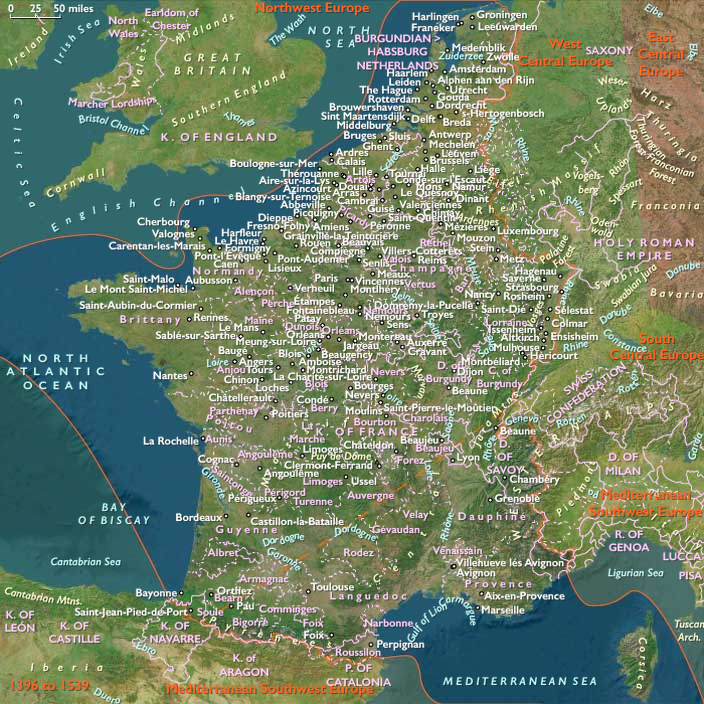
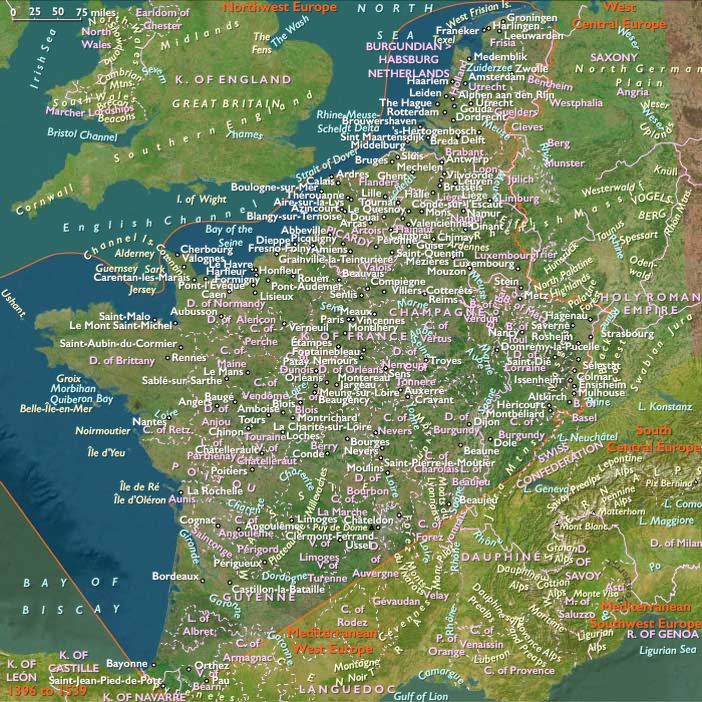
In early September 1513, the combined English and Imperial forces under King Henry VIII and Emperor Maximilian I capitalized on their recent victory at Thérouanne, quickly shifting their strategic focus to the wealthy Flemish city of Tournai, despite Henry’s initial preference for attacking the strategically valuable port of Boulogne.
Diplomatic and Strategic Realignments
On September 5, the Florentine ambassador reported the English successes to Pope Julius II, who promptly conveyed congratulations to Cardinal Thomas Wolsey, Henry’s trusted counselor and diplomatic architect of the campaign. Simultaneously, discussions among the allied commanders had redirected their focus to the wealthy city of Tournairather than Boulogne, Henry’s initially preferred target. The siege and capture of Tournai promised greater economic and symbolic gains for the allied coalition, further undermining French authority in northern France.
Battle of Flodden and Anglo-Scottish Relations
Amid these events, Henry VIII received dramatic and symbolic news from England. His wife, Queen Catherine of Aragon, who had governed as Rector and Governor of England during his absence, sent the bloodstained coat and gauntlets of the Scottish king, James IV, slain at the Battle of Flodden on September 9. Catherine humorously but dramatically suggested to Henry that he use the Scottish king's coat as his battle banner, writing pointedly that while she had contemplated sending the body itself, "Englishmen's hearts would not suffer it." Her words swiftly became legendary, captured in contemporary reports as:
"As Henry had sent her a captive duke, she should soon send him a king."
The Scottish defeat and James IV’s death had immense significance, severely weakening the Scottish threat on England’s northern border and bolstering Henry’s domestic reputation.
Henry’s Triumph at Lille and Flemish Celebrations
Following these decisive victories, Henry and Maximilian visited St. Pol, St. Venan, Neve, and Béthune before arriving at Lille on September 10, 1513, where Margaret of Savoy held court. Henry’s ceremonial entry into Lille was notably grandiose, reflecting his enhanced stature following the battlefield successes. That evening, chroniclers recorded Henry VIII playing musical compositions on various instruments—especially the lute—to the delight of Margaret’s sophisticated court.
Siege and Capture of Tournai
Concurrent with these diplomatic celebrations, the siege and capture of Tournai proceeded quickly. The city’s wealth and economic prominence made it a strategic prize for Henry, significantly offsetting the costly, arduous siege of Thérouanne. Henry’s successful entry into Tournai on September 23, 1513, further secured England’s military prestige in Europe, placing the English firmly on the European geopolitical stage.
Strategic and Political Consequences
Henry’s triumphs at Thérouanne, Tournai, and indirectly at Flodden represented a watershed moment. These victories marked a rare and impressive assertion of English military and diplomatic strength, significantly enhancing England’s prestige among European allies and rivals. Domestically, Catherine of Aragon’s prominent role in governing England and her notable symbolic gestures after Flodden increased her popularity and reinforced Henry’s own image as a martial king.
Yet these victories were not without complexities. Reports suggested friction persisted between English and Imperial troops, particularly concerning prisoners and spoils. Nonetheless, Henry’s personal command and conspicuous success significantly elevated his international status, setting a standard he would strive repeatedly to emulate throughout his reign.
Long-term Consequences and Historical Significance
These interconnected events profoundly impacted European politics, confirming the importance of the Anglo-Imperial alliance and illustrating the increasing sophistication and complexity of Renaissance warfare. Henry’s successful campaign shaped English policy and strategic ambitions for decades, reinforced the emergence of Cardinal Wolsey as a diplomatic force, and firmly positioned Henry VIII as a central actor on the European stage.
Locations
People
- Alfonso d'Este
- Andrea Gritti
- Bartolomeo d'Alviano
- Catherine of Aragon
- Catherine of Navarre
- Charles Brandon
- Charles Somerset
- Edward Poynings
- Ferdinand II of Aragon
- George Talbot
- Gian Giacomo Trivulzio
- Giuliano de Medici
- Henry Bourchier
- Henry VIII of England
- Jacques de La Palice
- James IV of Scotland
- Louis I d'Orléans
- Louis II de la Trémoille
- Louis XII of France
- Margaret of Austria
- Maximilian I of
- Maximilian Sforza
- Pope Leo X
- Ramón de Cardona
- Rhys ap Thomas
- Thomas Grey
- Thomas Wolsey
Groups
- Papal States (Republic of St. Peter)
- Navarre, Kingdom of
- Albanians
- Genoa, (Most Serene) Republic of
- Christians, Roman Catholic
- Mantua, free commune of
- Aragón, Kingdom of
- Venice, (Most Serene) Republic of
- Aragon, Crown of
- Swiss mercenaries
- France, (Valois) Kingdom of
- Holy Roman Empire
- Scotland, Kingdom of
- Urbino, Duchy of
- Milan, Duchy of
- Modena and Reggio, Duchy of
- Ferrara, Duchy of
- England, (Tudor) Kingdom of
- Florence, Republic of
Topics
Commodoties
Subjects
Regions
Subregions
Related Events
Showing 10 events out of 39214 total
Years: 1513 - 1513
September
Locations
People
- Alfonso d'Este
- Andrea Gritti
- Bartolomeo d'Alviano
- Catherine of Aragon
- Catherine of Navarre
- Charles Brandon
- Charles Somerset
- Edward Poynings
- Ferdinand II of Aragon
- George Talbot
- Gian Giacomo Trivulzio
- Giuliano de Medici
- Henry Bourchier
- Henry VIII of England
- Jacques de La Palice
- James IV of Scotland
- Louis I d'Orléans
- Louis II de la Trémoille
- Louis XII of France
- Margaret of Austria
- Maximilian I of
- Maximilian Sforza
- Pope Leo X
- Ramón de Cardona
- Rhys ap Thomas
- Thomas Grey
- Thomas Wolsey
Groups
- Papal States (Republic of St. Peter)
- Navarre, Kingdom of
- Albanians
- Genoa, (Most Serene) Republic of
- Christians, Roman Catholic
- Mantua, free commune of
- Aragón, Kingdom of
- Venice, (Most Serene) Republic of
- Aragon, Crown of
- Swiss mercenaries
- France, (Valois) Kingdom of
- Holy Roman Empire
- Scotland, Kingdom of
- Urbino, Duchy of
- Milan, Duchy of
- Modena and Reggio, Duchy of
- Ferrara, Duchy of
- England, (Tudor) Kingdom of
- Florence, Republic of
Topics
Commodoties
Subjects
Regions
Subregions