
Pope Leo III forbids the addition of …
Years: 809 - 809
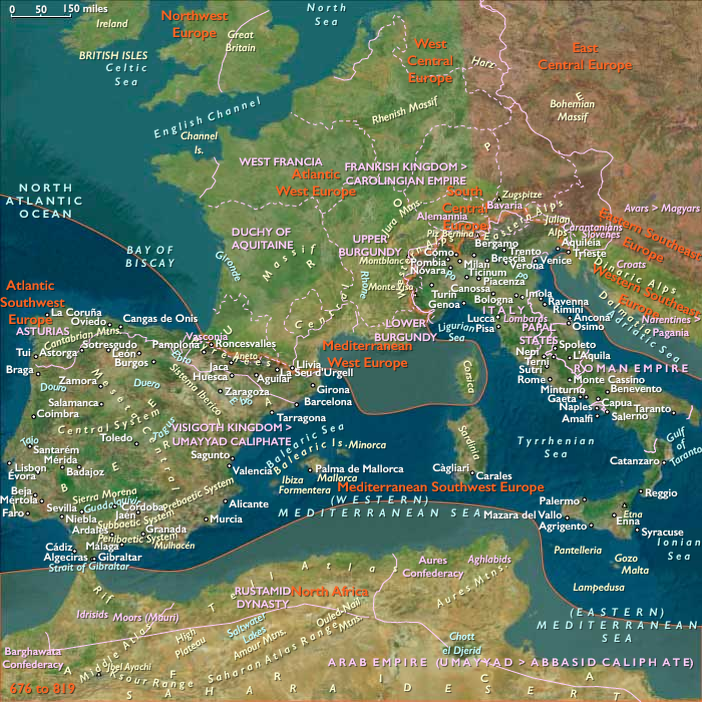
Pope Leo III forbids the addition of Filioque to the Nicene Creed, when asked to confirm the decision of a Council of Aachen held in 809.
Although he approves of the doctrine thus expressed, he also orders that the Nicene Creed, without Filioque, be displayed on silver tablets placed in Saint Peter's Basilica, adding: "Haec Leo posui amore et cautela orthodoxae fidei" (I, Leo, put these here for love and protection of orthodox faith).
Locations
People
Groups
- Christianity, Chalcedonian
- Kent, Kingdom of
- Northumbria, Kingdom of
- Roman Empire, Eastern: Isaurian dynasty
- Francia (Carolingians)
- Frankish, or Carolingian (Roman) Empire
Topics
Subjects
Regions
Subregions
Related Events
Showing 10 events out of 54757 total
Years: 809 - 809
Locations
People
Groups
- Christianity, Chalcedonian
- Kent, Kingdom of
- Northumbria, Kingdom of
- Roman Empire, Eastern: Isaurian dynasty
- Francia (Carolingians)
- Frankish, or Carolingian (Roman) Empire
Topics
Subjects
Regions
Subregions