
The journeymen weavers of Calton have marched …
Years: 1787 - 1787
September
The journeymen weavers of Calton have marched in organized processions through the streets of Glasgow to protest a twenty-five percent wage cut and lockout in the summer of 1787.
The dispute has grown bitter, with the strikers cutting the webs from the looms of weavers who continue to work, and making bonfires in the street from the contents of warehouses.
On September 3, the city magistrates, with a force of officers, go to the Calton but are driven back by the mob.
A detachment of the 39th Regiment marches under the command of Lieutenant Colonel Kellet, and a pitched battle occurs at Parkhouse, in Duke Street.
A volley of musket fire kills three of the weavers.
Three other weavers are mortally wounded.
Further disturbances later in the day are quickly suppressed by the troops.
On the following day more looms are wrecked, but the riots quickly subside.
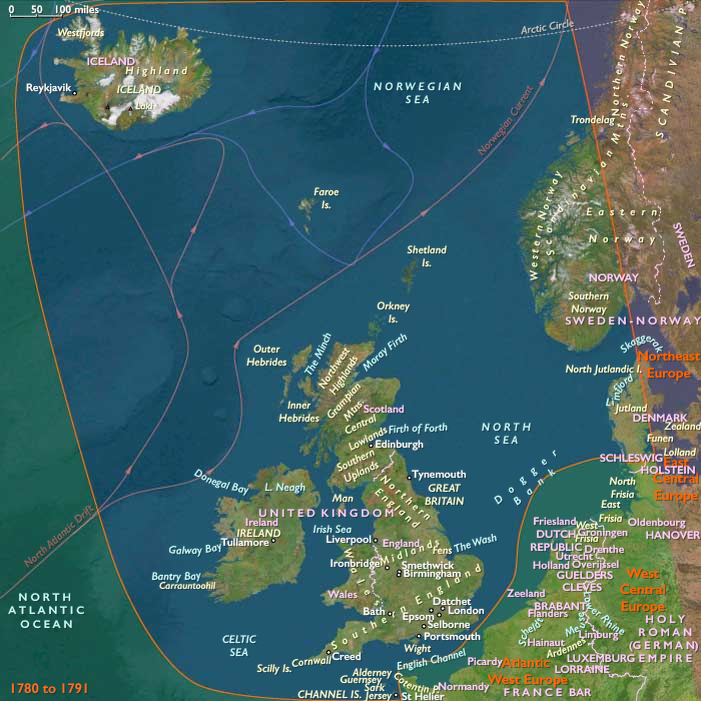
Calton at the time of the strike is a handweaving community just outside Glasgow in Scotland.
At the peak of Calton's prosperity, wages had risen to nearly £100 a year and weavers had risen to high places in society.
However, mechanization and growth in the labor force have since then severely depressed wages.
In 1788 James Granger will be tried in Edinburgh as the ringleader of the strike.
Aged 38, married and with six children, he will be found guilty of "forming illegal combinations" and sentenced to be publicly whipped through the streets of the city at the hands of the Common Executioner, and then to banish himself from Scotland for seven years.
James Granger will later return and take part in the 1811-1812 strike.
He will live to the age of seventy-five.
At the peak of Calton's prosperity, wages had risen to nearly £100 a year and weavers had risen to high places in society.
However, mechanization and growth in the labor force have since then severely depressed wages.
In 1788 James Granger will be tried in Edinburgh as the ringleader of the strike.
Aged 38, married and with six children, he will be found guilty of "forming illegal combinations" and sentenced to be publicly whipped through the streets of the city at the hands of the Common Executioner, and then to banish himself from Scotland for seven years.
James Granger will later return and take part in the 1811-1812 strike.
He will live to the age of seventy-five.
Locations
Groups
Topics
Commodoties
Subjects
Regions
Subregions
Related Events
Showing 10 events out of 24567 total
Years: 1787 - 1787
September
Locations
Groups
Topics
Commodoties
Subjects
Regions
Subregions