
Pliny, as governor of Bithynia et Pontus …
Years: 112 - 112
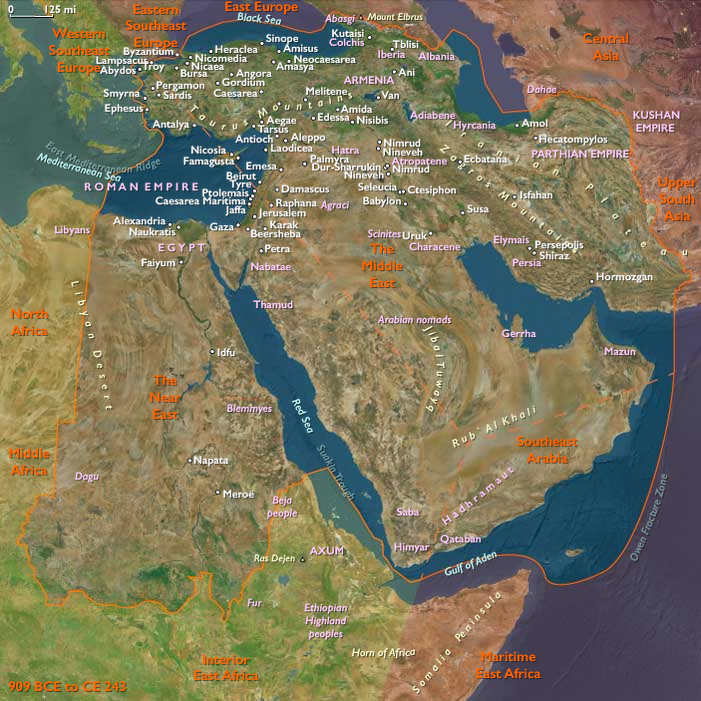
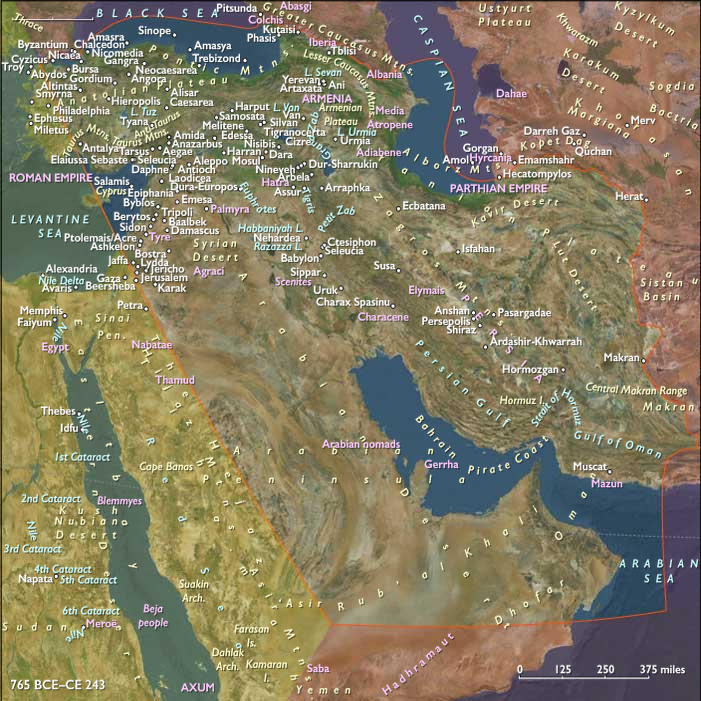
Pliny, as governor of Bithynia et Pontus province to 112, corresponds with the emperor Trajan on such questions as the treatment to be given Christians within the province.
He asks the Emperor for instructions dealing with Christians and explains that he forces Christians to curse Christ under painful torturous inquisition.
Pliny then explains to the Emperor how he questioned suspected Christians by torture and eventually sentenced them to death.
In light of the fact that Christianity is recognized as a sect of Judaism and as a threat to public order, it is therefore likely that, while his knowledge of Christianity itself was largely secondhand, several Christian authors assert he must have known about Jesus's existence first hand, although he could not have been contemporary in time or place.
More important here, however, is the testimony by Pliny that non-Roman suspects be executed for their confession of being Christians.
This indicates that Jesus was worshiped, and that believers of Christ may be put to death for their beliefs, in a short period of the early second century by Roman jurisdiction.
Pliny executed members of what were considered at the time a fanatical cult.
This could lend circumstantial significance to the writings of early Christians.
Being required to “curse Christ” is evidence that Pliny reported this as a means to force reactions of the suspect Christians under torturous inquisition.
Also "a hymn to Christ as to a god" alleges that during that time Jesus had been accepted as both God and man.
Pliny’s ten books of Epistulae, a series of personal missives directed to his friends and associates, provide an informal window into the daily life of a rich and cultured Roman gentleman.
Locations
People
Groups
- Polytheism (“paganism”)
- Bithynia et Pontus (Roman province)
- Christians, Jewish
- Christians, Early
- Roman Empire (Rome): Nerva-Antonine dynasty
Topics
Commodoties
Subjects
Regions
Subregions
Years: 112 - 112
Locations
People
Groups
- Polytheism (“paganism”)
- Bithynia et Pontus (Roman province)
- Christians, Jewish
- Christians, Early
- Roman Empire (Rome): Nerva-Antonine dynasty
Topics
Commodoties
Subjects
Regions
Subregions