
Phocas' persecution of the Monophysite Christian sect …
Years: 610 - 610
September
Phocas' persecution of the Monophysite Christian sect and of the Jews brings him the hatred of the Eastern provinces, and in the capital, he grows increasingly tyrannical.
To contemporaries, the coincidence of pestilence, endemic warfare, and social upheaval seems to herald the coming of the Antichrist, the resurrection of the dead, and the end of the world.
Heraclius the Elder had been a key general during Emperor Maurice's war with Bahrām Chobin, usurper of the Sassanid Empire, during 590.
After the war, Maurice had appointed him to the position of Exarch of Africa.
Fear of the Persians, together with general discontent, lead to an appeal to the Exarch, who in 610 equips an expeditionary force commanded by Heraclius the Younger, the Exarch’s eldest son by Epiphania, of an Armenian family from Cappadocia, probably of Arsacid descent.
The devout Heraclius places his fleet under the protection of an icon of the Virgin against Phocas, stigmatized in the sources as the “corrupter of virgins.” In the course of his voyage along the northern shores of the Mediterranean, Heraclius adds to his forces.
Locations
People
Groups
- Persian people
- Armenian people
- Jews
- Persian Empire, Sassanid, or Sasanid
- Christians, Monophysite
- Christians, Miaphysite (Oriental Orthodox)
- Greeks, Medieval (Byzantines)
- Africa, or Carthage, Exarchate of
- Roman Empire, Eastern: Non-dynastic
- Roman Empire, Eastern: Heraclian dynasty
Topics
- Migration Period
- Migration Period Pessimum
- Byzantine-Avarian War of 603-626
- Byzantine–Sassanid War of 602–628
Commodoties
Subjects
- Commerce
- Watercraft
- Environment
- Labor and Service
- Conflict
- Mayhem
- Faith
- Government
- Technology
- Movements
Regions
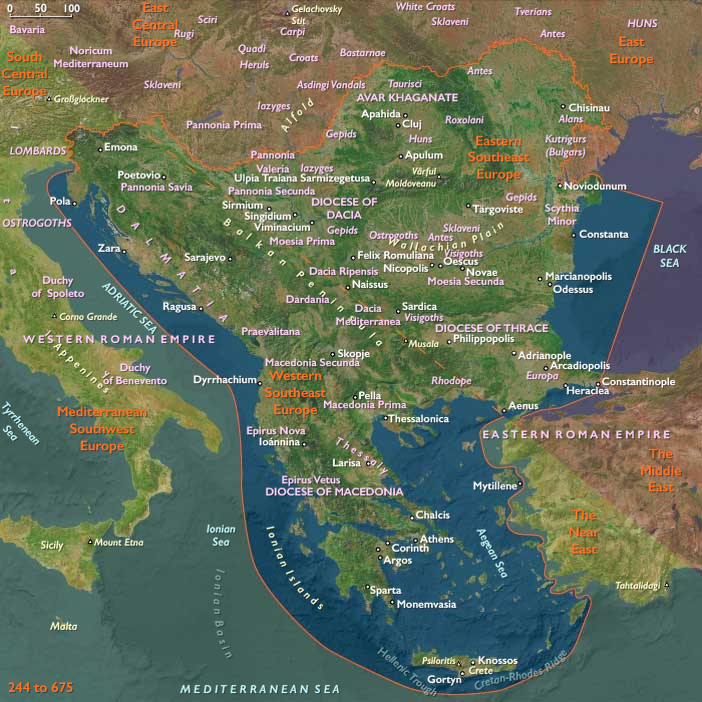
Subregions
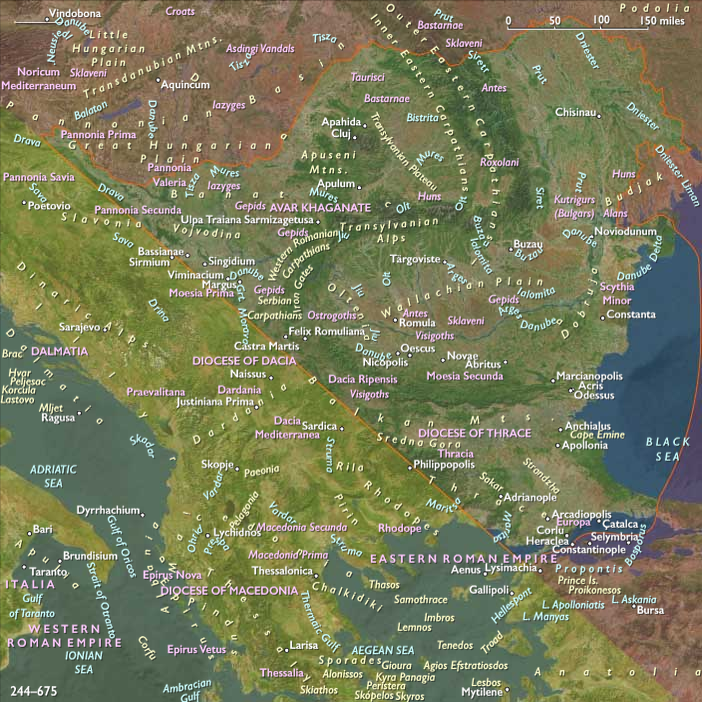
Related Events
Showing 10 events out of 57023 total
Years: 610 - 610
September
Locations
People
Groups
- Persian people
- Armenian people
- Jews
- Persian Empire, Sassanid, or Sasanid
- Christians, Monophysite
- Christians, Miaphysite (Oriental Orthodox)
- Greeks, Medieval (Byzantines)
- Africa, or Carthage, Exarchate of
- Roman Empire, Eastern: Non-dynastic
- Roman Empire, Eastern: Heraclian dynasty
Topics
- Migration Period
- Migration Period Pessimum
- Byzantine-Avarian War of 603-626
- Byzantine–Sassanid War of 602–628
Commodoties
Subjects
- Commerce
- Watercraft
- Environment
- Labor and Service
- Conflict
- Mayhem
- Faith
- Government
- Technology
- Movements
Regions
Subregions