
Philippe de Crèvecœur and Louis XI’s Conquest …
Years: 1477 - 1477
February
Philippe de Crèvecœur and Louis XI’s Conquest of Artois (1477)
In the tumultuous aftermath of the death of Charles the Bold at Nancy in January 1477, Burgundy’s territories became contested ground between the remaining Burgundian loyalists and the ambitious Louis XI of France. Central to this period of instability was the figure of Philippe de Crèvecœur (known also as Maréchal des Cordes or Maréchal d’Esquerdes), a distinguished military commander whose shifting allegiances significantly influenced the political landscape of northern France and Burgundy.
Crèvecœur’s Rise in Burgundian Service (1463–1477)
Born into an influential family—his father, the Captain of Compiègne and Governor of Clermont-en-Beauvaisis, a Knight of the Order of the Golden Fleece—Philippe de Crèvecœur entered Burgundian service early, quickly rising in prominence. By 1463, he had become governor of Troyes; by 1465, he had distinguished himself in battle at Montlhéry during the League of the Public Weal. His military career was marked by notable successes, including the capture of Nesle in 1472, though his failed siege of Beauvais, heroically defended by Jeanne Hachette, was a significant setback.
Shift in Allegiance and French Advancement (1477)
After Charles the Bold’s death, Crèvecœur swiftly abandoned Burgundian loyalty to enter the service of Louis XI of France, who quickly seized the opportunity to claim Burgundian territories for the French crown. Known thereafter as the Maréchal des Cordes (or d'Esquerdes), Crèvecœur’s pivotal defection granted Louis XI critical military expertise, bolstering his efforts to consolidate royal power in the contested Burgundian domains.
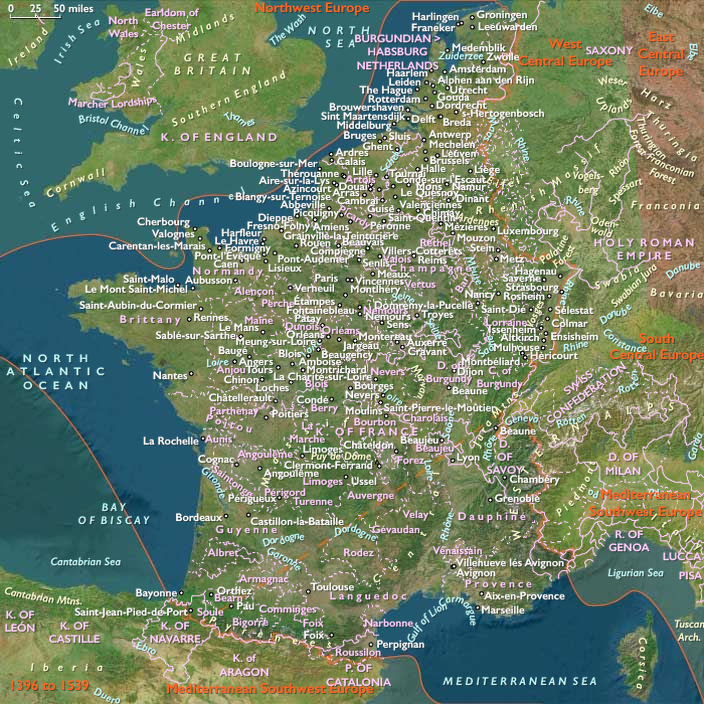
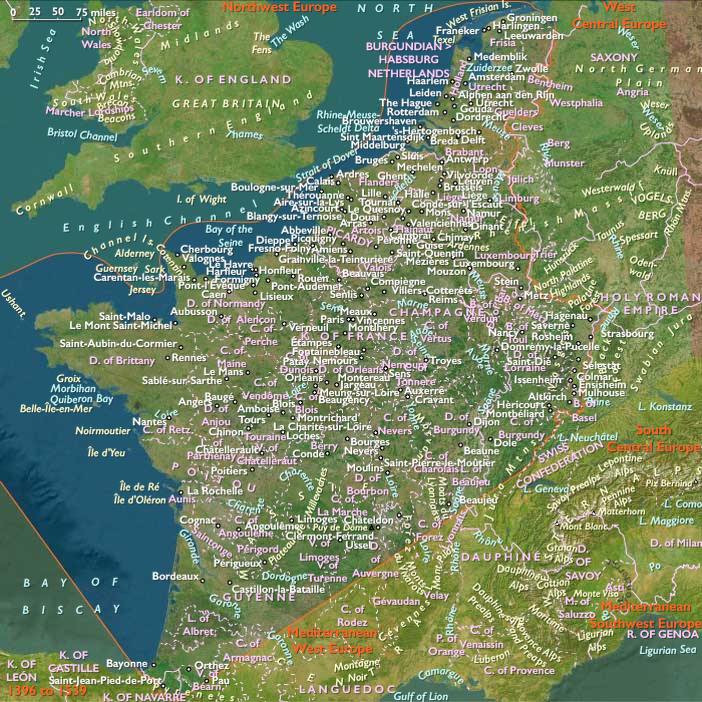
In his new role as a French marshal, Crèvecœur facilitated Louis’s aggressive incursions into Artois and Picardy, territories previously under Burgundian control. His military experience proved invaluable, enabling Louis XI to advance rapidly into these vital northern regions, aiming to integrate them fully into the expanding French kingdom.
The Siege and Capture of Arras (1477)
Louis XI personally led the siege of Arras in 1477 after initially losing control of the city due to Burgundian loyalist resistance. Determined to crush Burgundian opposition, Louis took Arras by force after a protracted siege, demonstrating brutal efficiency in suppressing resistance. However, fierce Burgundian loyalty among the town’s inhabitants remained, prompting Louis to order severe reprisals: the walls were demolished, and the defiant citizens faced harsh penalties. Louis’s violent response emphasized his commitment to destroying Burgundian identity and securing royal supremacy.
Political, Economic, and Cultural Consequences
Louis’s victory at Arras had far-reaching consequences. By dismantling the city’s defenses, Louis symbolically and practically destroyed Burgundian autonomy, asserting royal authority in a previously resistant region. Economically, the assault severely disrupted Arras’s thriving cloth and tapestry industries, temporarily diminishing its reputation as a prosperous commercial center.
Long-Term Significance
The fall of Arras and Crèvecœur’s decisive shift to the French crown epitomized the collapse of Burgundian independence, significantly influencing the geopolitical landscape of late medieval Atlantic West Europe. Louis XI’s conquest of Burgundy’s northern territories not only solidified France’s centralization under royal authority but also severely weakened Burgundian cultural and political autonomy. These events marked a critical turning point, definitively ending Burgundian defiance and laying the foundation for a stronger, more centralized French kingdom, dramatically reshaping Europe’s political map as it moved into the early modern era.
Locations
People
Groups
- Burgundy, Duchy of
- Franche-Comté
- Austria, Archduchy of
- Artois, County of
- Swiss Confederacy, Old (Swiss Confederation)
- France, (Valois) Kingdom of
- Netherlands, Burgundian
- Holy Roman Empire
- Franche-Comté (province of the Holy Roman Empire)
Topics
Commodoties
Subjects
- Commerce
- Painting and Drawing
- Labor and Service
- Conflict
- Mayhem
- Faith
- Government
- Custom and Law
- Technology
Regions
Subregions
Years: 1477 - 1477
February
Locations
People
Groups
- Burgundy, Duchy of
- Franche-Comté
- Austria, Archduchy of
- Artois, County of
- Swiss Confederacy, Old (Swiss Confederation)
- France, (Valois) Kingdom of
- Netherlands, Burgundian
- Holy Roman Empire
- Franche-Comté (province of the Holy Roman Empire)
Topics
Commodoties
Subjects
- Commerce
- Painting and Drawing
- Labor and Service
- Conflict
- Mayhem
- Faith
- Government
- Custom and Law
- Technology
Regions
Subregions