
Philip II’s Anti-Jewish Policies: The Expulsion from …
Years: 1181 - 1181
Philip II’s Anti-Jewish Policies: The Expulsion from the Île de la Cité (1181 CE)
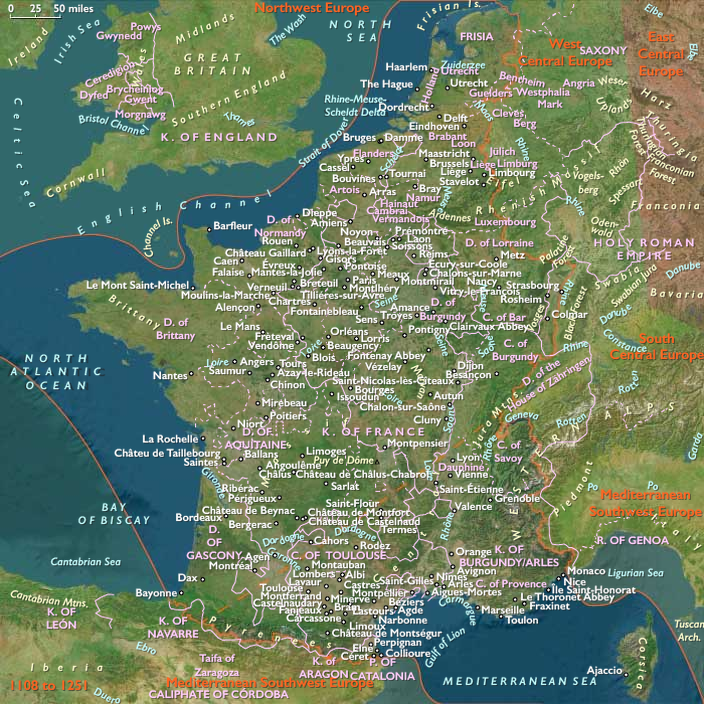
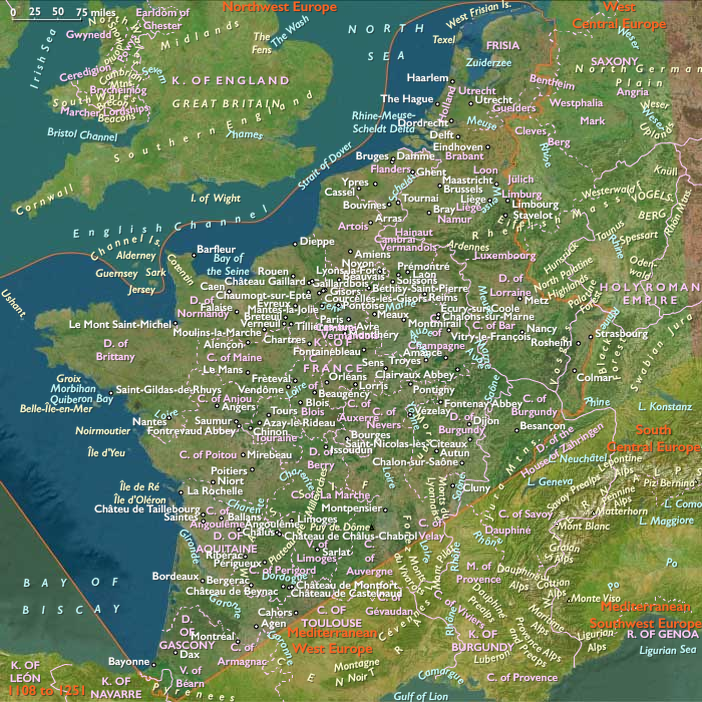
In 1181, Philip II of France intensified anti-Jewish policies, ordering the closure of the Paris yeshiva, one of the most important centers of Jewish learning in medieval France. He later forced the Jewish population to leave the Île de la Cité, where Notre-Dame Cathedral was under construction, relocating them to the swampy right-bank area of Paris known as the Marais.
The Expulsion from the Île de la Cité
- The Île de la Cité, the central island of Paris, was home to both royal and religious institutions and was undergoing major urban changes as Notre-Dame de Paris was being built.
- The Jewish community, which had lived on the island for generations, was forcibly relocated by Philip II.
- They were “invited” (compelled) to settle in the Marais, then a low-lying, marshy area on the Seine’s right bank, far from the political and ecclesiastical heart of the city.
Significance and Consequences
- Increased Marginalization – By removing Jews from the Île de la Cité, Philip II further segregated them from mainstream Parisian society, setting a precedent for later ghettos and restrictions.
- Shift in Jewish Settlement – The Marais later became one of the historic Jewish quarters of Paris, though at the time, it was undeveloped and undesirable.
- Broader Anti-Jewish Measures – Philip’s policies were part of a larger pattern of economic and social restrictions on Jewish communities, culminating in their expulsion from France in 1182.
Philip II’s forced relocation of Parisian Jews in 1181 reflected both religious pressures and urban development policies, as the construction of Notre-Dame symbolized Christian dominance, while Jewish communities were pushed to the periphery of society.
Locations
People
Groups
Topics
Subjects
Regions
Subregions
Related Events
Showing 10 events out of 48151 total
Years: 1181 - 1181
Locations
People
Groups
Topics
Subjects
Regions
Subregions