
Ibn Sīnā', or Avicenna, a Persian philosopher, …
Years: 1037 - 1037
Ibn Sīnā', or Avicenna, a Persian philosopher, physician, and alchemist who has spent his life as scholar-in-residence at many Islamic courts, has passed the last ten or twelve years in the service of Muhammad ibn Rustam Dushmanziyar, whom he has accompanied as physician and general literary and scientific adviser, even in his numerous campaigns.
During these years he had begun to study literary matters and philology, instigated, it is asserted, by criticisms on his style.
A severe colic, which had seized him on the march of the army against Hamadan, had been checked by remedies so violent that Ibn Sina could scarcely stand.
On a similar occasion the disease had returned; with difficulty he had reached Hamadan, where, finding the disease gaining ground, he had refused to keep up the regimen imposed, and resigned himself to his fate.
His friends have advised him to slow down and take life moderately; he has refused.
On his deathbed remorse seizes him; he bestows his goods on the poor, restores unjust gains, frees his slaves, and reads through the Qur'an every three days until his death.
He dies in June 1037, in his fifty-eighth year, in the month of Ramadan and is buried in Hamadan.
Locations
People
Groups
Commodoties
Subjects
Regions
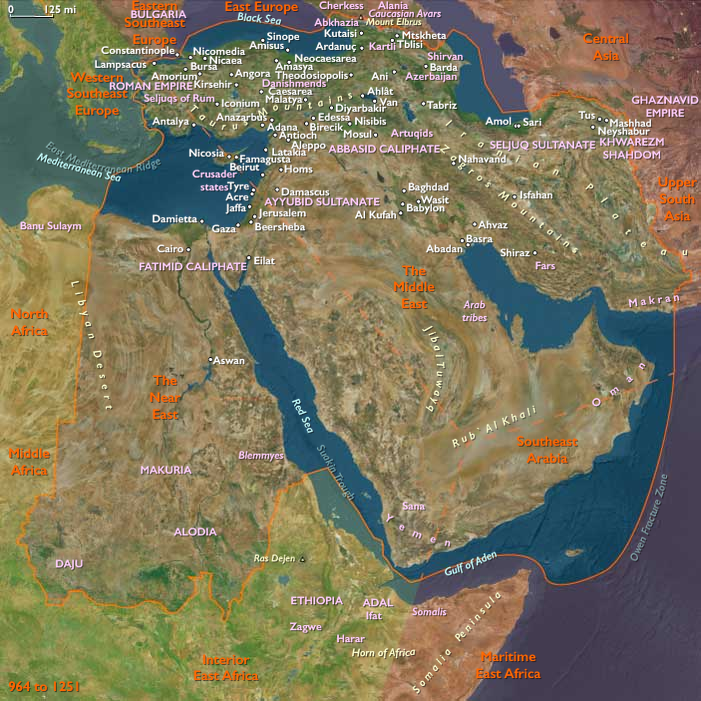
Subregions
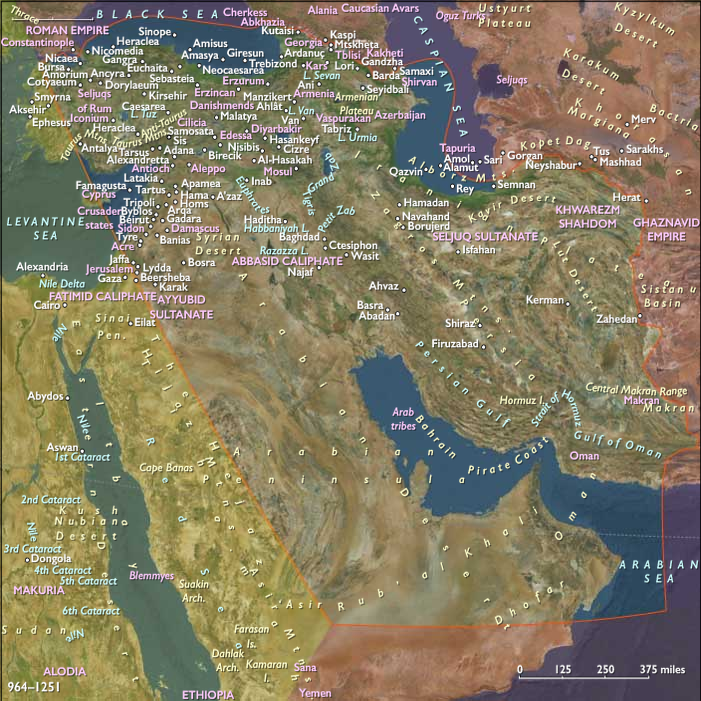
Years: 1037 - 1037
Locations
People
Groups
Commodoties
Subjects
Regions
Subregions