
The Incoherence of the Philosophers, the …
Years: 1106 - 1106
The Incoherence of the Philosophers, the landmark book by Abu Hamid Muhammad al-Ghazali, marks a major turn in Islamic epistemology.
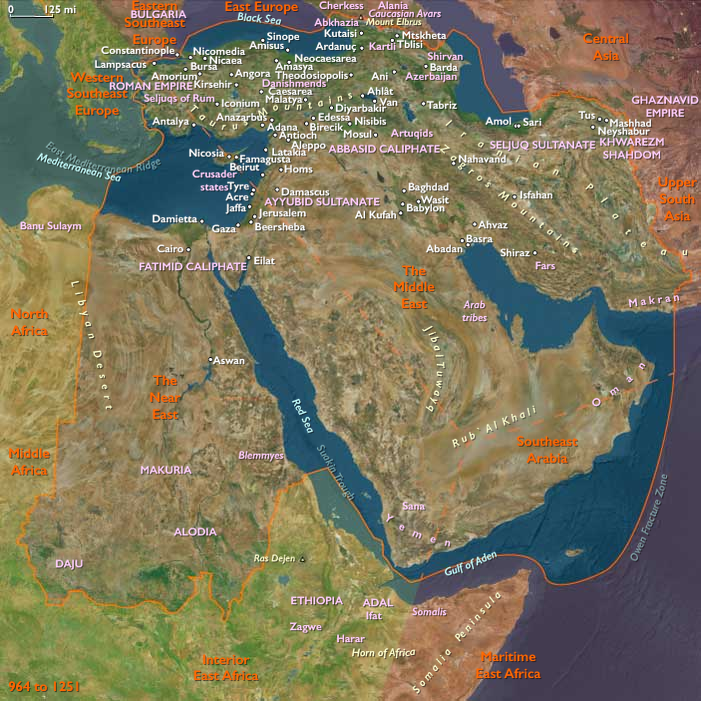
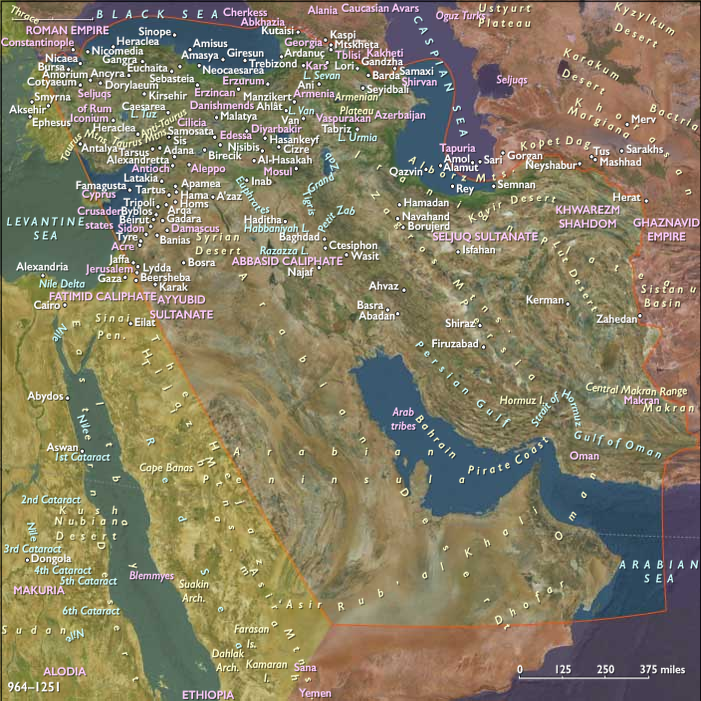
Al-Ghazali had begun to receive instruction in fiqh (Islamic jurisprudence) from Ahmad al-Radhakani, a local teacher, and had later studied under al-Juwayni, the distinguished jurist and theologian, in Nishapur, perhaps after a period of study in Gurgan.
After al-Juwayni's death in 1085, al-Ghazali had departed from Nishapur and joined the court of Nizam al-Mulk, the powerful vizier of the Seljuq sultans, which was likely centered in Isfahan.
Nizam al-Mulk advanced in July 1091 to the prestigious professoriate of the Nizamiyya madrasa in Baghdad.
He had undergone a spiritual crisis in 1095, and consequently abandoned his career and left Baghdad on the pretext of going on pilgrimage to Mecca.
Making arrangements for his family, he had disposed of his wealth and adopted an ascetic lifestyle.
After some time in Damascus and Jerusalem, with a visit to Medina and Mecca in 1096, he had returned to Tus to spend the next several years in 'uzla (seclusion).
This seclusion consists of abstaining from teaching at state-sponsored institutions, though he has continued to publish, to receive visitors, and to teach in the zawiya (private madrasa) and khanqah (Sufi monastery) that he had built.
The encounter with skepticism had led al-Ghazali to embrace the Asharite theory of theological occasionalism, or the belief that all causal events and interactions are not the product of material conjunctions but rather the immediate and present Will of God.
In his defense of the Asharite doctrine of a created universe that is temporally finite, against the Aristotelian doctrine of an eternal universe, Al-Ghazali proposes the modal theory of possible worlds, arguing that their actual world is the best of all possible worlds from among all the alternate timelines and world histories that God could have possibly created.
The Incoherence also marks a turning point in Islamic philosophy in its vehement rejections of Aristotle and Plato.
The book takes aim at the falasifa, a loosely defined group of Islamic philosophers from the eighth through the eleventh centuries (most notable among them Avicenna and Al-Farabi) who drew intellectually upon the Ancient Greeks.
Fakhr al-Mulk, grand vizier to Ahmad Sanjar, has pressed al-Ghazali to return to the Nizamiyya in Nishapur; al-Ghazali reluctantly capitulates in 1106, fearing (rightly) that he and his teachings will meet with resistance and controversy.
In his autobiography, al-Munqidh min al-Dalal (“The Deliverer from Error”), written towards the end of his life, he describes the great spiritual crisis that set him to wandering for ten years.
Locations
People
Groups
Subjects
Regions
Subregions
Related Events
Showing 10 events out of 49914 total
Years: 1106 - 1106
Locations
People
Groups
Subjects
Regions
Subregions