
The Theodosian Code and the Legal Marginalization …
Years: 436 - 447
The Theodosian Code and the Legal Marginalization of Jews
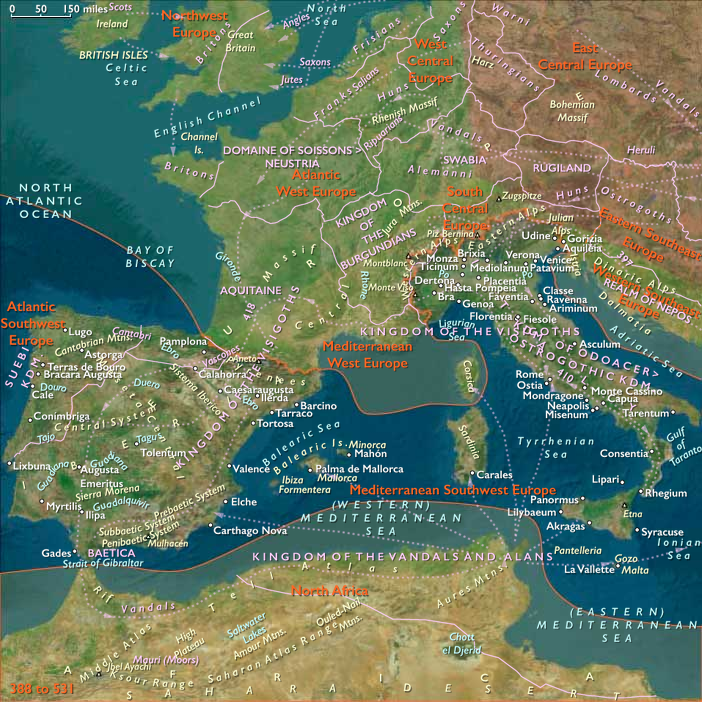
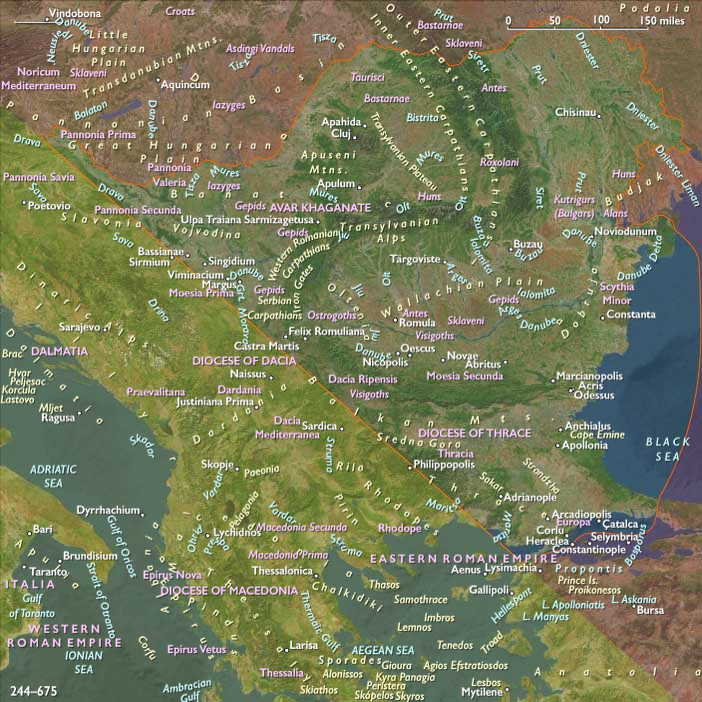
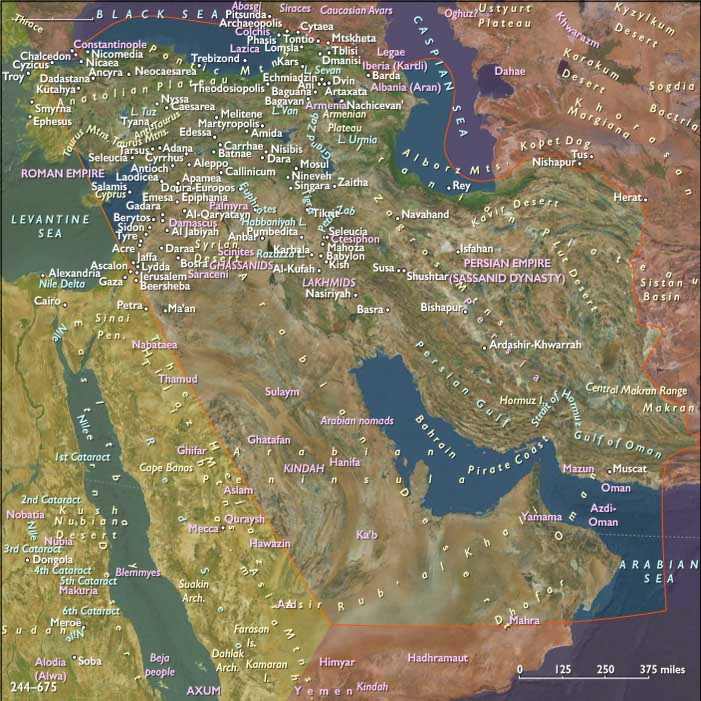
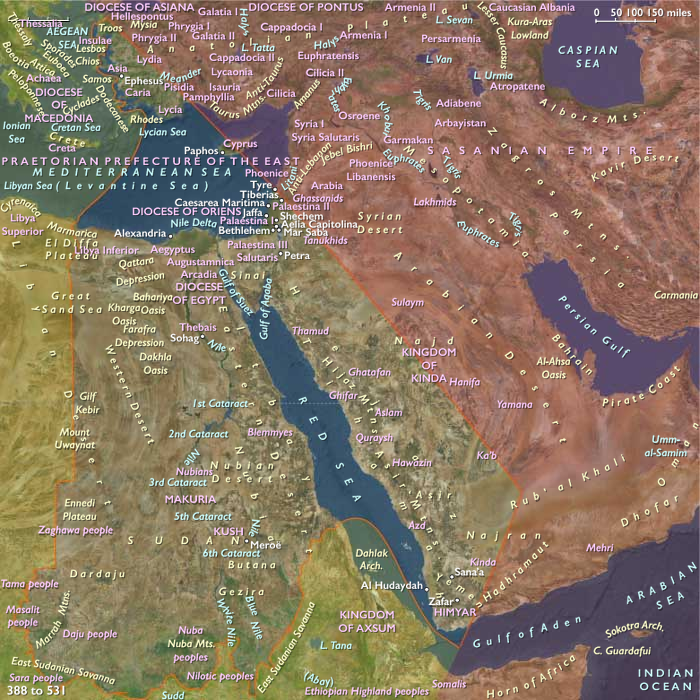
With the promulgation of the Theodosian Code, the Roman Empire intensifies its restrictions on Jewish communities, placing social, economic, and legal limitations on them. This imperial legislation, compiled under Emperor Theodosius II and formally issued in 438 CE, codifies a range of anti-Jewish measures that had been accumulating over the previous century as Christianity became the dominant state religion.
Among the most consequential provisions:
- Exclusion from Public Office – Jews are barred from holding official positions within the imperial administration, limiting their influence in government and public affairs.
- Restrictions on Synagogue Construction – New synagogues may not be built, effectively curbing the expansion of Jewish communities within the empire.
- Prohibition on Slave Ownership – Jews are forbidden from owning Christian slaves, a restriction that effectively excludes them from agricultural production, as slave labor was central to Roman farming estates. This measure further marginalizes Jewish landowners, forcing many into urban professions such as trade, finance, and craftsmanship.
- Extraordinary Taxation – Jews are subjected to additional taxes, further differentiating them from the general population and increasing their economic burdens.
The Broader Context: Christianity and Imperial Policy
These laws reflect the broader transformation of the Roman world as the empire, once religiously pluralistic, becomes increasingly aligned with Nicene Christianity. Church authorities, particularly figures like Ambrose of Milan and Cyril of Alexandria, play key roles in shaping imperial policy against non-Christian groups, including Jews and pagans.
While Jewish communities persist across the Mediterranean, their legal status deteriorates, and their ability to participate in public and economic life becomes increasingly restricted. Over time, these imperial decrees will set a precedent for further discrimination and exclusion, influencing medieval and early modern attitudes toward Jewish communities in both the Byzantine and Latin Christian worlds.
Groups
- Jews
- Christianity, Nicene
- Roman Empire: Theodosian dynasty (Constantinople)
- Roman Empire, Western (Ravenna)
Topics
Commodoties
Subjects
Regions
Subregions
- Eastern Southeast Europe
- Middle East
- Near East
- Western Southeast Europe
- Mediterranean West Europe
- Mediterranean Southwest Europe
- North Africa
- Atlantic West Europe

Years: 436 - 447
Groups
- Jews
- Christianity, Nicene
- Roman Empire: Theodosian dynasty (Constantinople)
- Roman Empire, Western (Ravenna)
Topics
Commodoties
Subjects
Regions
Subregions
- Eastern Southeast Europe
- Middle East
- Near East
- Western Southeast Europe
- Mediterranean West Europe
- Mediterranean Southwest Europe
- North Africa
- Atlantic West Europe