
Perpetua (born in 181) is a twenty-two …
Years: 203 - 203
Perpetua (born in 181) is a twenty-two year old married noble and a nursing mother.
Her co-martyr Felicity, an expectant mother, is her slave.
The Passion of St. Perpetua, St. Felicitas, and their Companions is said to preserve the actual words of the martyrs and their friends.
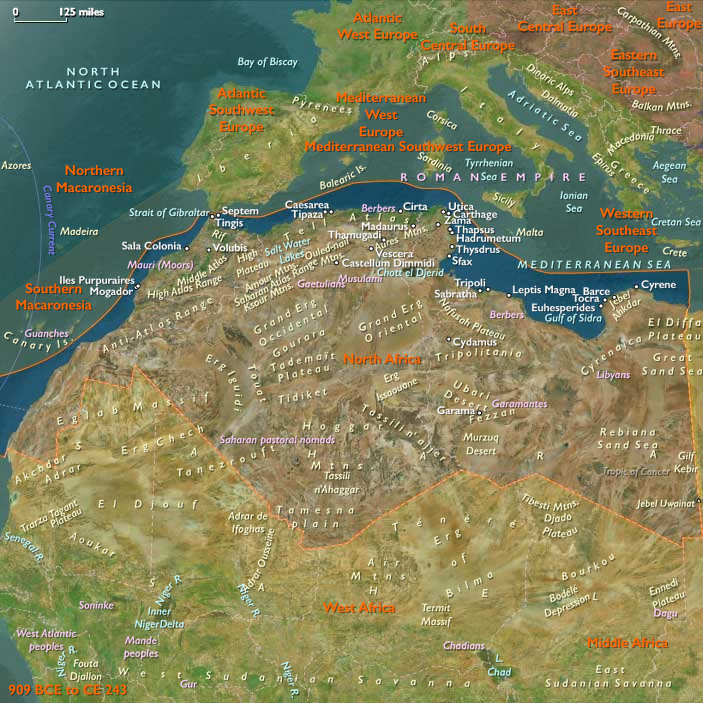
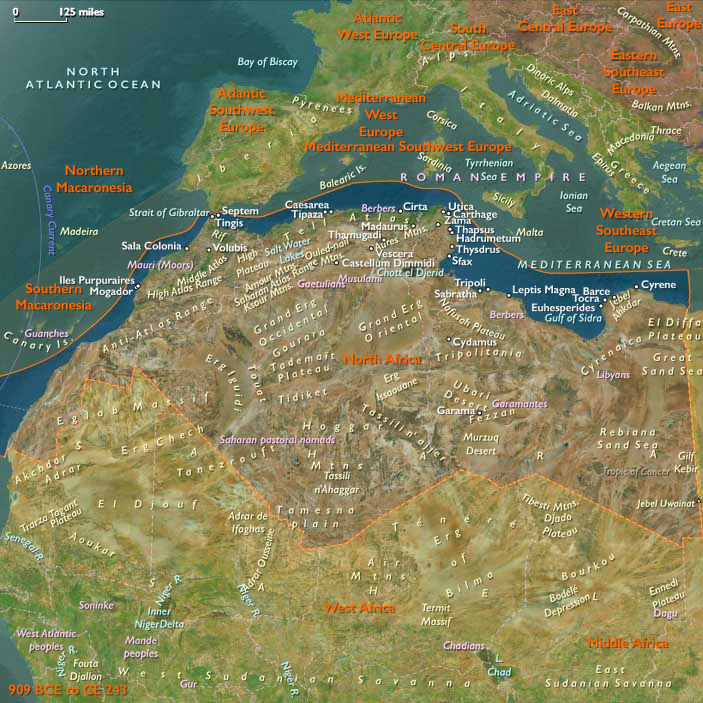
According to this Passion, in the year 203 during the persecutions of the emperor Septimius Severus, five catechumens, Perpetua and Felicity among them, are arrested for their faith and executed.
The group consists of a slave named Revocatus, his fellow slave Felicitas, two free men (Saturninus and Secundulus), and Perpetua.
Perpetua's father is a pagan, her mother and two brothers Christians, one of the brothers being a catechumen.
These five prisoners are soon joined by Saturus, who seems to have been their catechist and who now chooses to share their punishment.
Initially, they are all kept under strict guard in a private house.
Perpetua writes a vivid account of what happened.
Their sufferings while in prison, the angry and increasingly desperate attempts of Perpetua's father to induce her to renounce Christianity, the vicissitudes of the martyrs before their execution, the visions of Saturus and Perpetua in their dungeons, are all committed to writing by the last two, in a genre of text called a "Passion".
The text as recorded in the Passio SS Perpetuae et Felicitatis claims to contain the autobiographical account of Perpetua, edited and commented on by Tertullian.
Their date of their martyrdom is traditionally given as 203.
The association of the martyrdom with a birthday festival of the Emperor Geta, however, might seem to place it after 209, when Geta was made "Augustus" (having held the junior title Caesar since 198 when his elder brother had been made "Augustus"), though before 211, when he was assassinated.
The Acta notes that the martyrdom occurred in the year when Minucius Timinianus was proconsul in the Roman province of Africa, but as Timinianus is not otherwise attested in history, this information does not clarify the date.
The thirteenth-century Golden Legend, however, places the martyrdom in 256, under the emperors Valerian and Gallienus.
Locations
People
Groups
Topics
Commodoties
Subjects
Regions
Subregions
Related Events
Showing 10 events out of 60768 total
Years: 203 - 203
Locations
People
Groups
Topics
Commodoties
Subjects
Regions
Subregions