
Filters:
Pedro Alonso Niño: Spanish Explorer and Navigator …
Years: 1499 - 1499
July
Pedro Alonso Niño: Spanish Explorer and Navigator of the Early Americas (1499–1505)
Pedro Alonso Niño, a Spanish navigator of African descent, played a significant role in early European exploration, serving as a pilot on Columbus's expeditions before launching his own independent voyage in search of wealth and trade opportunities.
Early Life and Exploration with Columbus
- Born in Palos de Moguer, Spain, to a Spanish father and an enslaved African mother, Niño grew up in a seafaring environment.
- He explored the West African coast in his early years, acquiring navigational experience.
- In 1492, he piloted one of Columbus's ships on the first voyage to the New World.
- He later accompanied Columbus's third voyage (1498–1500), during which he witnessed the discovery of Trinidad and the Orinoco River delta.
Independent Expedition to the Indies (1499–1500)
- After returning to Spain, Niño sought to explore the Indies independently, focusing on gold and pearls rather than new lands.
- The Council of Castile granted him permission, with the condition that he must avoid Columbus’s discoveries and pay 20% of his profits to the Crown.
- He partnered with Luis and Cristóbal de la Guerra, a wealthy merchant and a skilled pilot, to finance and lead the expedition.
- In May 1499, they departed from Sanlúcar, reaching Maracapana (Venezuela) in 23 days.
Trade and Discoveries in the Caribbean
- Traded with indigenous peoples, exchanging trinkets for pearls at the islands of Margarita, Coche, and Cubagua, securing a large fortune.
- Sailed along the Venezuelan coast, where they discovered the salt mines at Punta Araya, which later became a major Spanish resource.
Return to Spain and Arrest (1500–1505)
- After just two months, Niño and his crew returned to Baiona, Spain, with immense wealth.
- However, he was accused of cheating Queen Isabella out of her rightful share of the expedition’s profits.
- He was arrested, his property confiscated, and placed on trial.
- Before the trial concluded, Pedro Alonso Niño died in 1505.
Legacy
- One of the first Afro-Spanish explorers, Niño helped expand European knowledge of the Caribbean and South America.
- His voyage demonstrated the economic potential of pearl trading, leading to further Spanish exploitation of the region.
- Despite his early success, his downfall reflected Spain’s strict enforcement of royal taxation and control over exploration profits.
Pedro Alonso Niño’s life and career embody both the opportunities and dangers of early European exploration, making him a significant but often overlooked figure in the Age of Discovery.
Locations
People
- Alonso de Ojeda
- Amerigo Vespucci
- Christopher Columbus
- Ferdinand II of Aragon
- Isabella I of Castile
- Juan de la Cosa
- Niño Brothers
Groups
Topics
- Age of Discovery
- Colonization of the Americas, Portuguese
- Colonization of the Americas, Spanish
- Colonization of Asia, Spanish
Commodoties
- Fish and game
- Weapons
- Gem materials
- Strategic metals
- Slaves
- Salt
- Sweeteners
- Lumber
- Land
- Spices
- Tobacco
Subjects
Regions
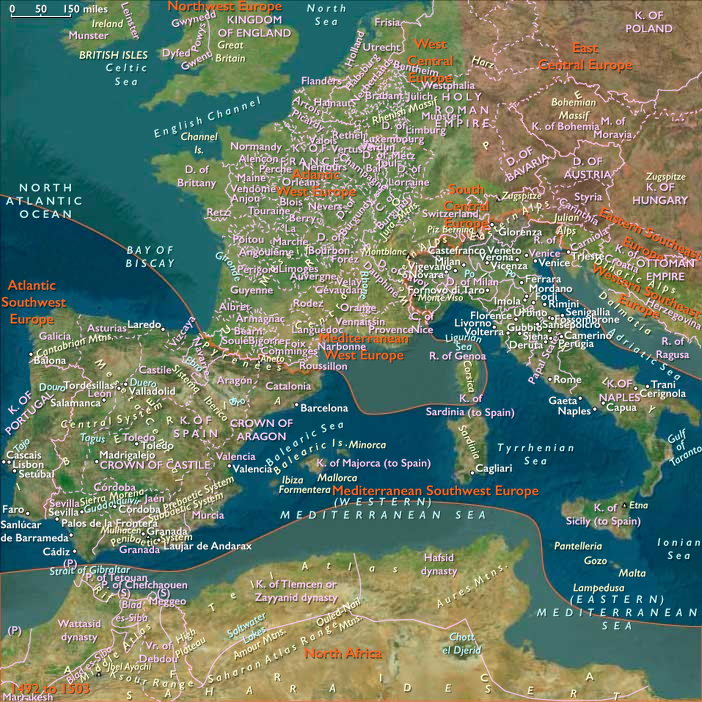
Subregions
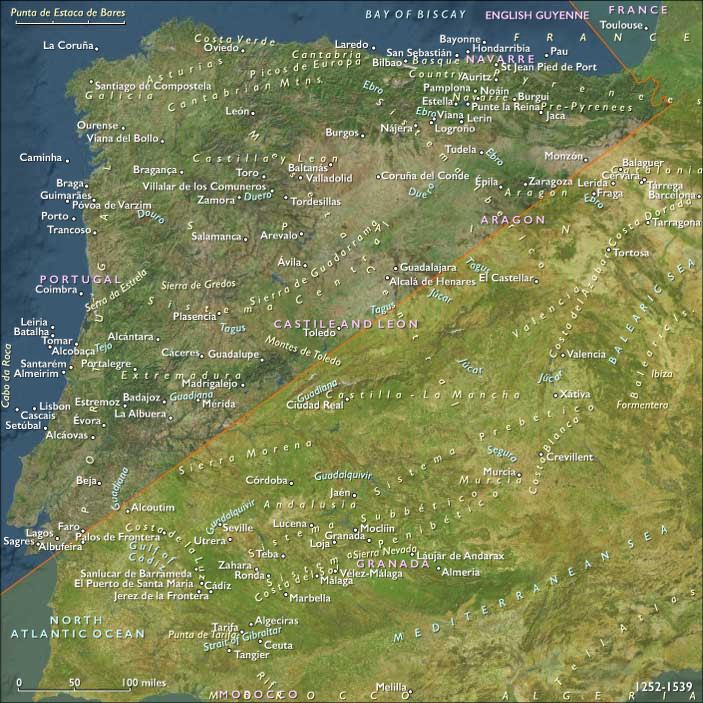
Years: 1499 - 1499
July
Locations
People
- Alonso de Ojeda
- Amerigo Vespucci
- Christopher Columbus
- Ferdinand II of Aragon
- Isabella I of Castile
- Juan de la Cosa
- Niño Brothers
Groups
Topics
- Age of Discovery
- Colonization of the Americas, Portuguese
- Colonization of the Americas, Spanish
- Colonization of Asia, Spanish
Commodoties
- Fish and game
- Weapons
- Gem materials
- Strategic metals
- Slaves
- Salt
- Sweeteners
- Lumber
- Land
- Spices
- Tobacco
Subjects
Regions
Subregions