
Paul of Burgos and the Anti-Jewish Edict …
Years: 1412 - 1412
January
Paul of Burgos and the Anti-Jewish Edict of 1412
Paul of Burgos (formerly known as Solomon ha-Levi) was a Jewish scholar who converted to Christianity and became a fervent opponent of Judaism, using his influence to push for forced conversions and discriminatory policies against his former coreligionists.
Paul of Burgos and His Anti-Jewish Campaign
- Even after his baptism, Paul of Burgos continued corresponding with prominent Jews, including:
- Joseph Orabuena, Chief Rabbi of Navarre.
- Joshua ibn Vives, a respected Jewish scholar.
- Over time, however, he became a relentless opponent of Judaism, using his political and religious authorityto pressure Jews into converting to Christianity.
The Valladolid Edict of 1412
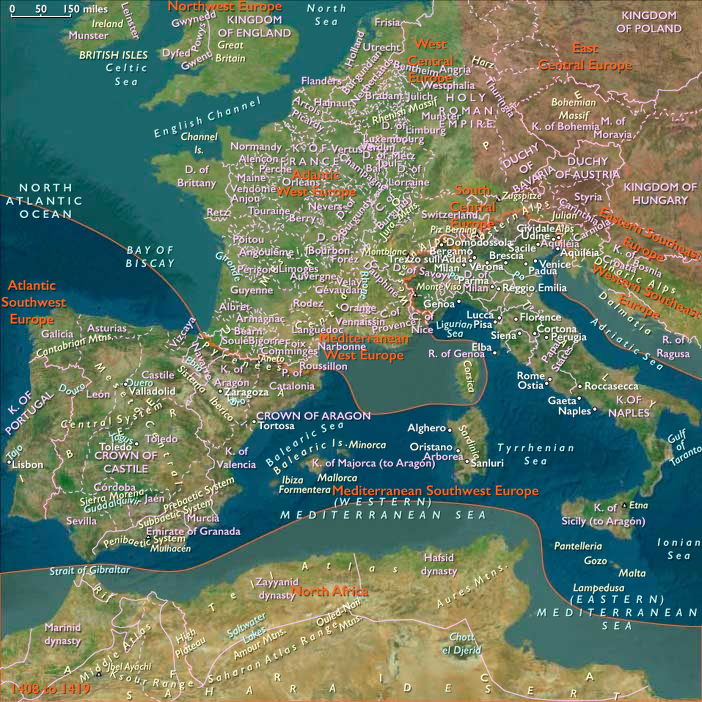
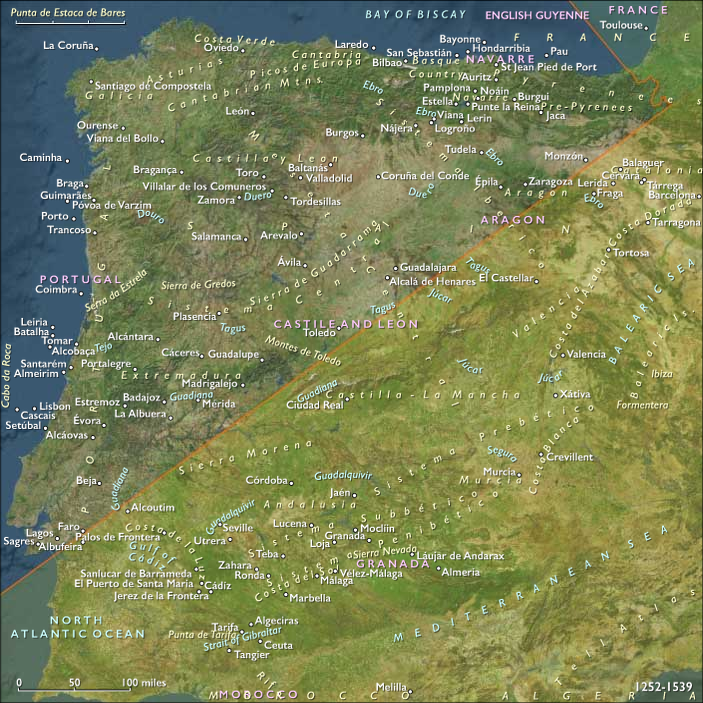
- As Chancellor of Castile, Paul of Burgos drafted an anti-Jewish edict, issued in the name of Regent Queen Catherine of Lancaster on January 2, 1412 at Valladolid.
- The law, consisting of twenty-four articles, aimed to:
- Force conversions by making Jewish life intolerable.
- Segregate Jews completely from Christians, limiting their influence.
- Destroy Jewish economic power and reduce them to poverty.
Key Restrictions Imposed on Jews
-
Forced Ghettoization
- Jews were required to live in designated ghettos, separate from Christian communities.
-
Economic Restrictions
- Jewish merchants were excluded from commerce and trade, crippling their financial independence.
- They were forbidden from practicing medicine, law, or holding public office.
-
Humiliation and Identification
- Jews were forced to wear distinctive clothing, marking them as separate and inferior.
-
Banning of Interfaith Relations
- Jews were prohibited from socializing with Christians or employing Christian servants.
Impact and Consequences
- The edict successfully pressured many Jews to convert, though many resisted and continued practicing Judaism in secret.
- This law laid the groundwork for the expulsion of Jews from Spain in 1492, as it normalized institutional discrimination.
- The enforced segregation and economic restrictions weakened Jewish communities across Castile and Aragon, pushing them into poverty.
Legacy of the Edict
- The Valladolid Edict of 1412 was one of the most severe anti-Jewish laws in medieval Spain, reflecting the growing Christian hostility toward Jews.
- It marked the transition from religious discrimination to forced conversions, which became a central policy of Spanish monarchs in the 15th century.
- Paul of Burgos, once a learned Jewish scholar, became a symbol of forced assimilation and religious persecution, contributing to one of the darkest chapters in Spanish-Jewish history.
The edict of 1412 was a precursor to the Spanish Inquisition and the 1492 expulsion of the Jews, as it sought to eliminate Judaism in Castile by force, coercion, and systemic oppression.
Locations
People
Groups
Topics
Commodoties
Subjects
Regions
Subregions
Related Events
Showing 10 events out of 42384 total
Years: 1412 - 1412
January
Locations
People
Groups
Topics
Commodoties
Subjects
Regions
Subregions