
The use of the galley for war …
Years: 1748 - 1748
The use of the galley for war purposes had practically ceased by the end of the reign of Louis XIV in 1715, but the French Navy does not incorporate the corps of the galleys until 1748.
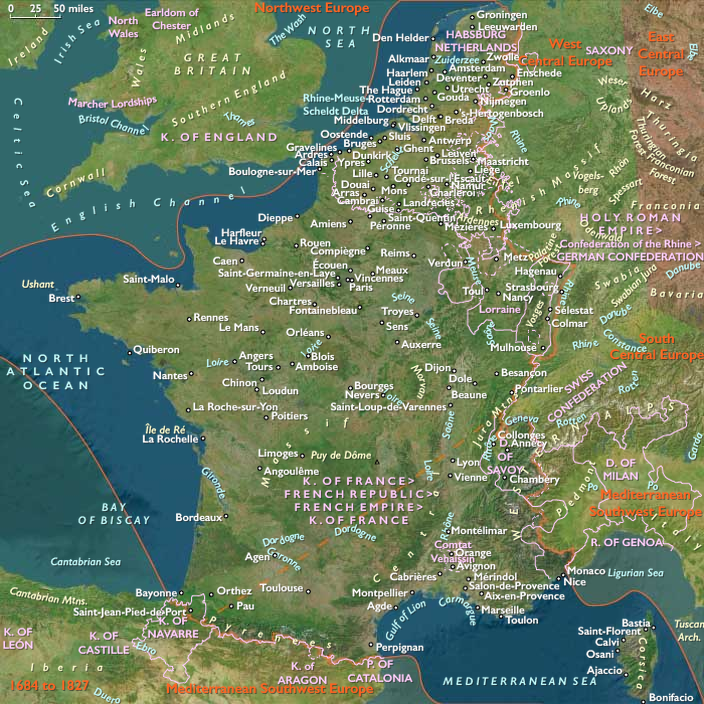
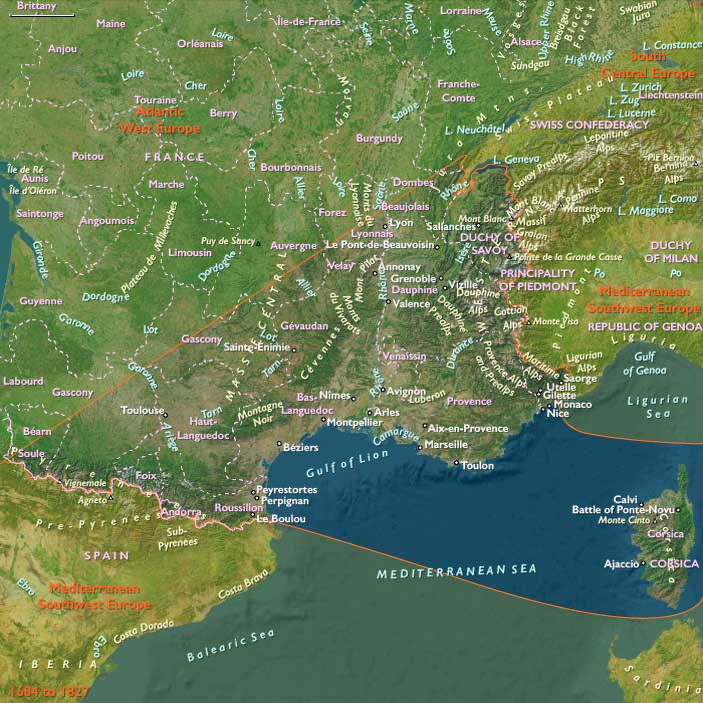
From the reign of Henry IV, Toulon has functioned as a naval military port, Marseille having become a merchant port, and served as the headquarters of the galleys and of the convict rowers (galériens).
After the incorporation of the galleys, the system sends the majority of these latter to Toulon, the others to Rochefort and to Brest, where they work in the arsenal.
Convict rowers also go to a large number of other French and non-French cities: Nice, Le Havre, Nîmes, Lorient, Cherbourg, Saint-Vaast-la-Hougue, La Spezia, Antwerp and Civitavecchia; but Toulon, Brest and Rochefort predominate.
At Toulon the convicts remain (in chains) on the galleys, which are moored as hulks in the harbor.
Their shore prisons have the name bagnes ("baths"), a name given to such penal establishments first by the Italians (bagno), and allegedly deriving from the prison at Constantinople situated close by or attached to the great baths there.
All French convicts will continue to use the name galérien even after galleys have gone out of use; only after the French Revolution will the new authorities officially change the hated name—with all it signifies—to forçat ("forced")
From the reign of Henry IV, Toulon has functioned as a naval military port, Marseille having become a merchant port, and served as the headquarters of the galleys and of the convict rowers (galériens).
After the incorporation of the galleys, the system sends the majority of these latter to Toulon, the others to Rochefort and to Brest, where they work in the arsenal.
Convict rowers also go to a large number of other French and non-French cities: Nice, Le Havre, Nîmes, Lorient, Cherbourg, Saint-Vaast-la-Hougue, La Spezia, Antwerp and Civitavecchia; but Toulon, Brest and Rochefort predominate.
At Toulon the convicts remain (in chains) on the galleys, which are moored as hulks in the harbor.
Their shore prisons have the name bagnes ("baths"), a name given to such penal establishments first by the Italians (bagno), and allegedly deriving from the prison at Constantinople situated close by or attached to the great baths there.
All French convicts will continue to use the name galérien even after galleys have gone out of use; only after the French Revolution will the new authorities officially change the hated name—with all it signifies—to forçat ("forced")
Locations
Groups
Topics
Commodoties
Subjects
Regions
Subregions
Related Events
Showing 10 events out of 27025 total
Years: 1748 - 1748
Locations
Groups
Topics
Commodoties
Subjects
Regions
Subregions