Filters:
The Black Death (1347–1351): A Catastrophic Pandemic …
Years: 1348 - 1359
The Black Death (1347–1351): A Catastrophic Pandemic
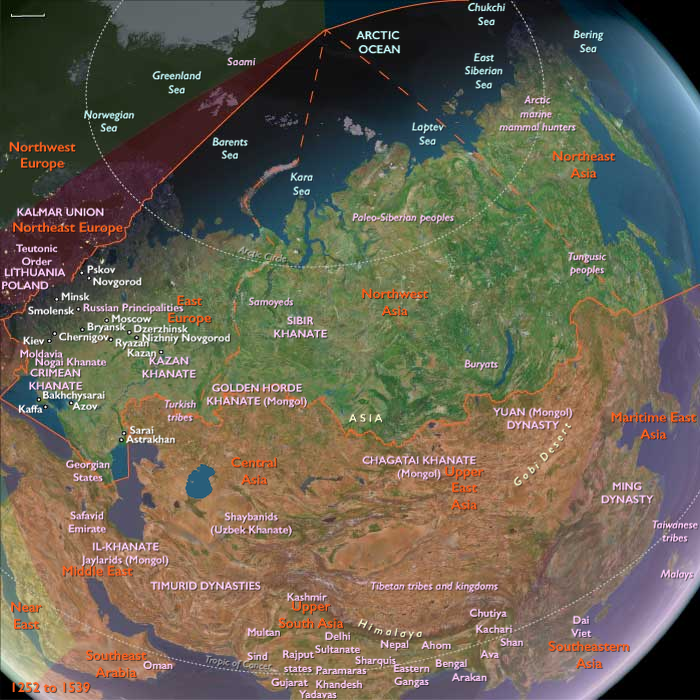
Between 1347 and 1351, the Black Death ravaged Europe, killing an estimated 25% to 50% of the population. The pandemic, caused by Yersinia pestis, likely originated in Central Asia before spreading along trade routes into Europe via the Black Sea and Mediterranean ports.
The Scale of Devastation
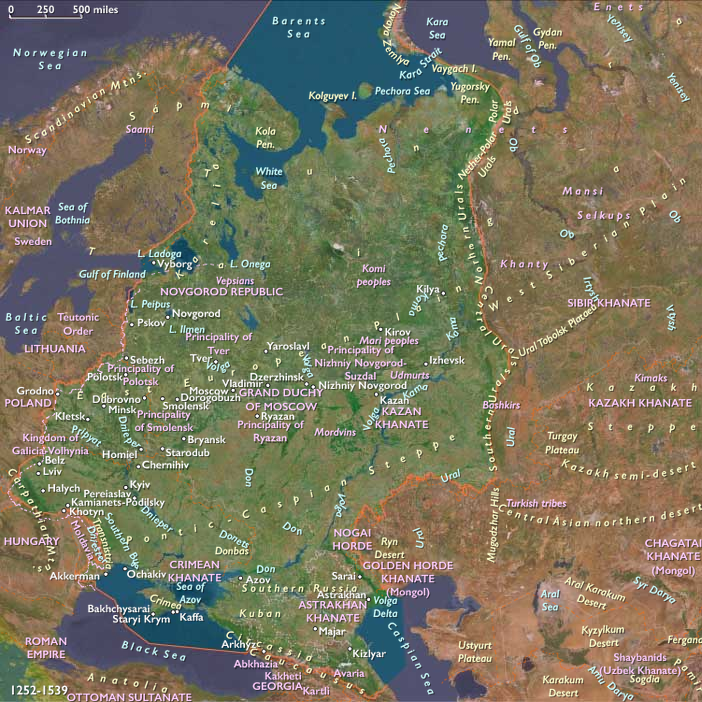
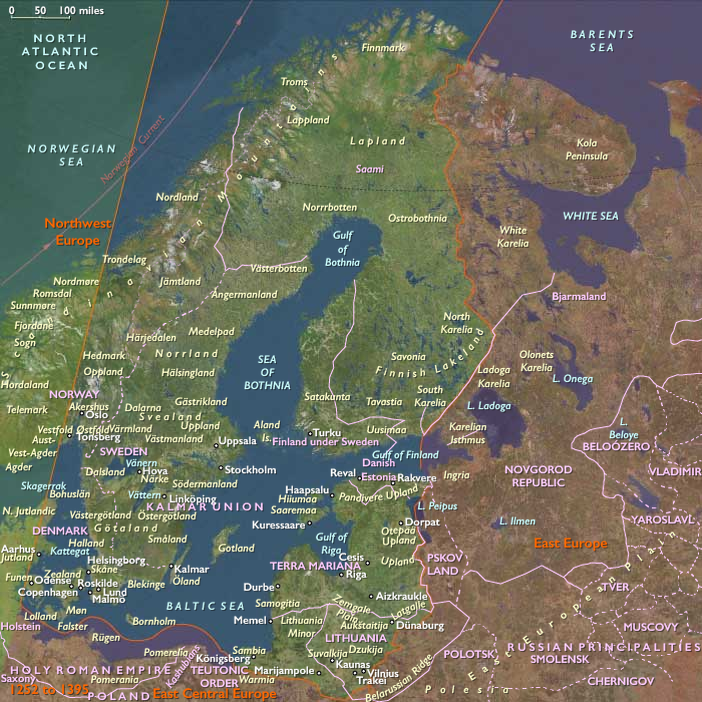
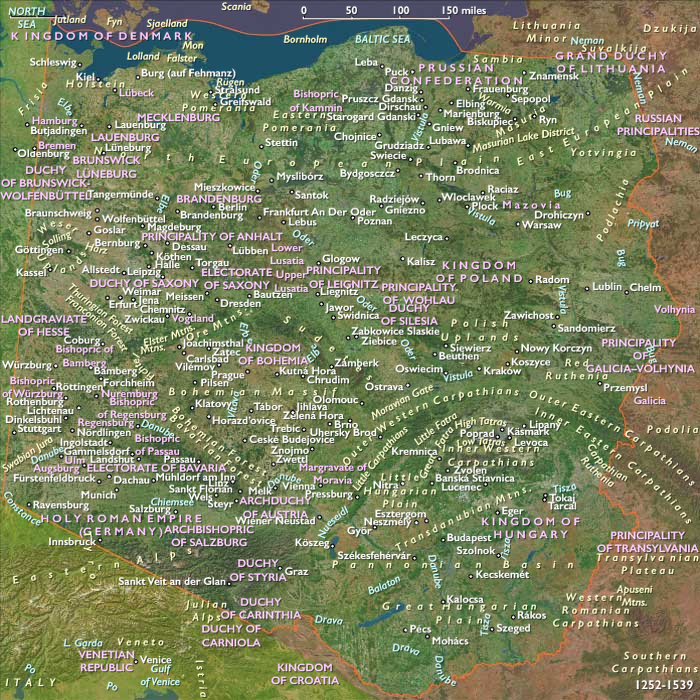
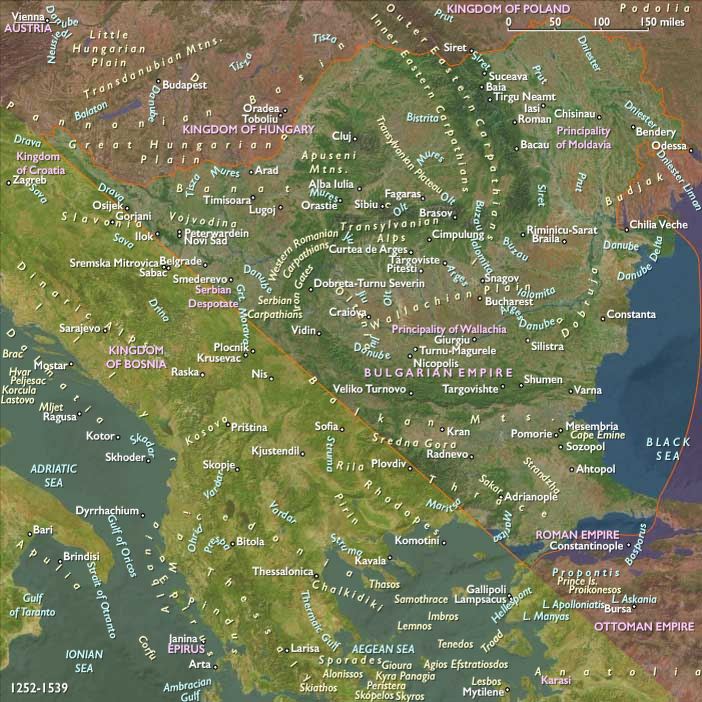
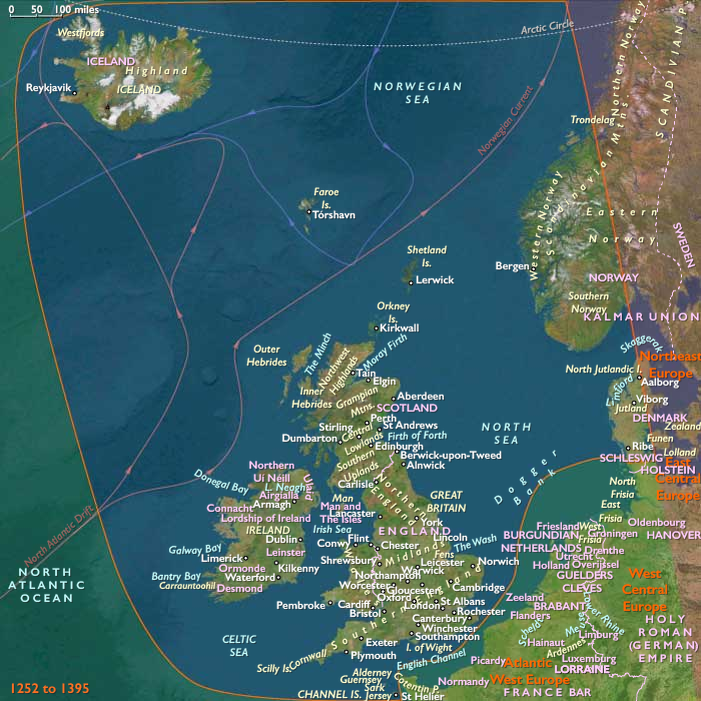
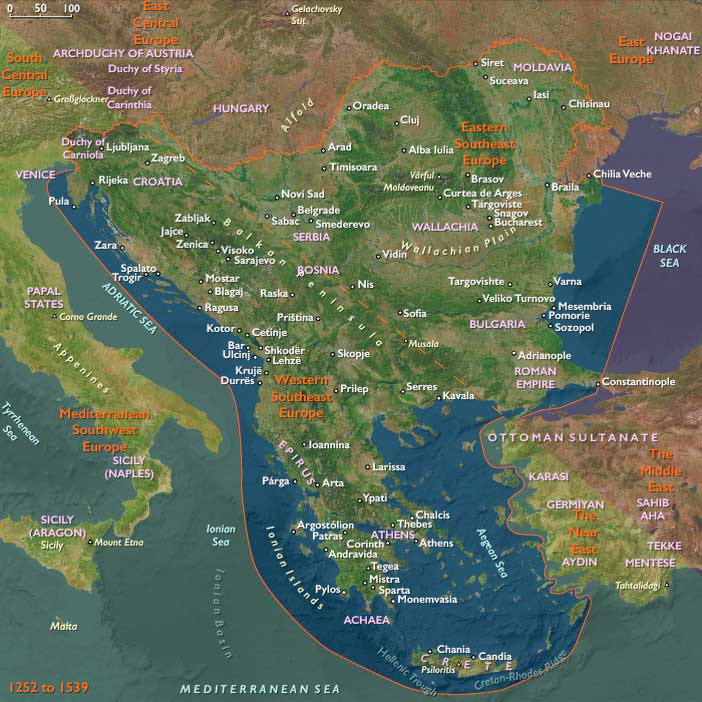
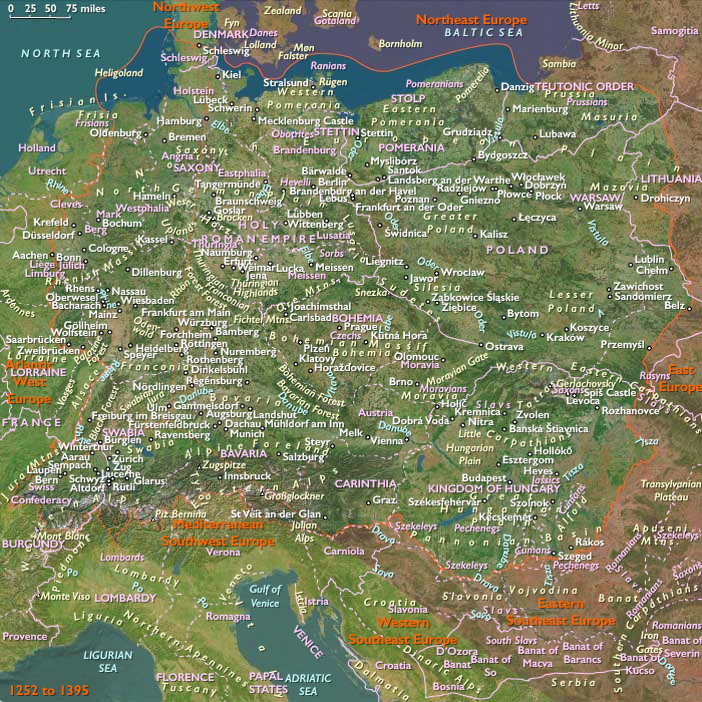
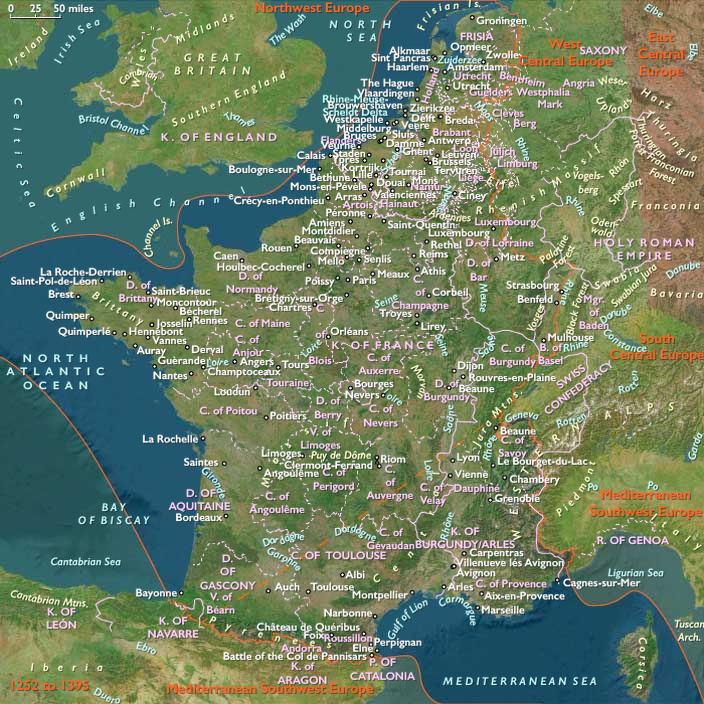
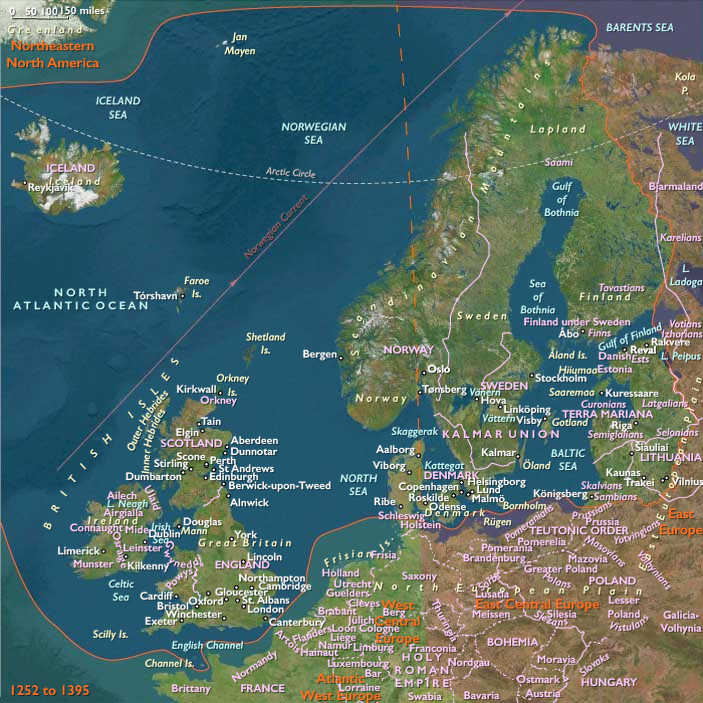
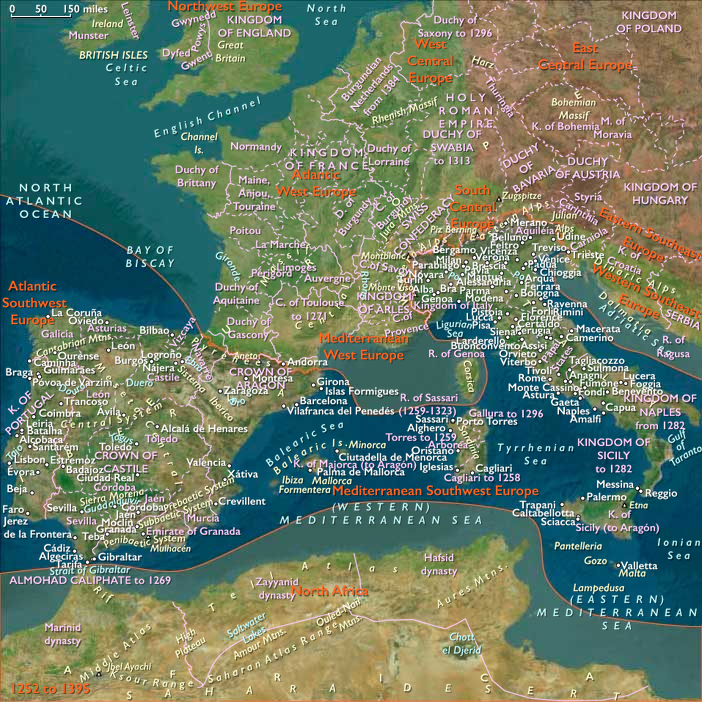
- The plague first reached Sicily in late 1347, rapidly spreading through Italy, France, Spain, and England in 1348, before devastating the Holy Roman Empire, Scandinavia, and Russia in subsequent years.
- Mortality rates varied by region, with densely populated cities such as Florence, Paris, and London losing over half their inhabitants.
- The disease spread in waves, with particularly severe outbreaks in 1349 and 1350, before it began to decline steeply in 1351.
Consequences and Long-Term Impact
The Black Death’s death toll caused profound social, economic, and political upheaval:
- Severe labor shortages led to higher wages for surviving workers, challenging feudal structures.
- Famine and depopulation resulted in the abandonment of villages and farmland.
- Religious movements, including flagellants and persecution of minority groups, reflected the widespread fear and desperation.
- Political instability deepened, as monarchies and feudal lords struggled to maintain control in the wake of population collapse.
Though the plague waned after 1351, recurring outbreaks in the 14th and 15th centuries ensured that Europe never fully recovered demographically until the early modern period. The Black Death permanently altered medieval society, accelerating economic changes and undermining traditional feudal hierarchies.
Years: 1348 - 1359
Topics
Subjects
Regions
Subregions
- East Europe
- Northeast Europe
- East Central Europe
- Eastern Southeast Europe
- Western Southeast Europe
- South Central Europe
- Mediterranean West Europe
- Atlantic West Europe
- West Central Europe
- Northwest Europe