Otfried von Weissenburg and the Introduction of End-Rhyme in German Poetry (870)
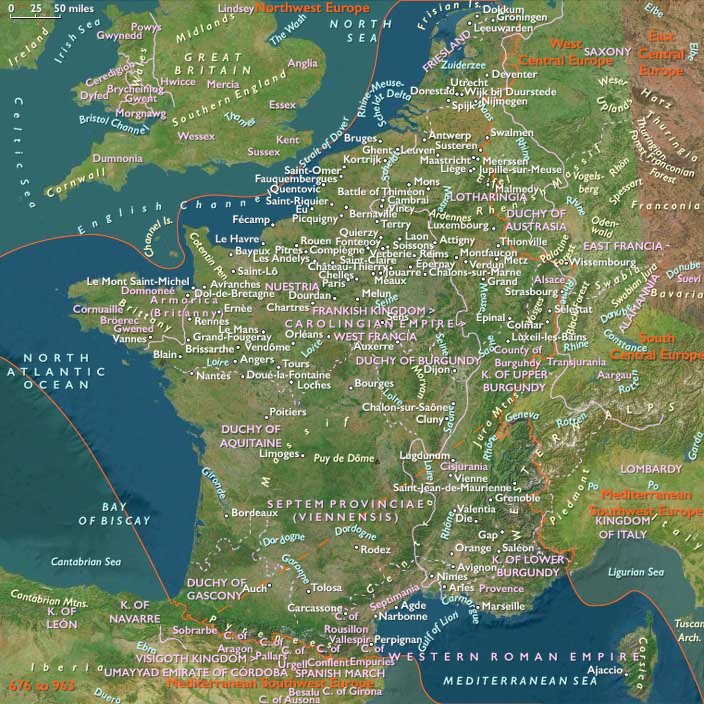
In 870, Otfried von Weissenburg, a monk from the Weissenburg Abbey in Alsace, composes the Evangelienbuch("Book of Gospels"), the first known German literary work by an identifiable author. His innovative use of end-rhyme marks a major linguistic and poetic shift, shaping the development of medieval German Christian literature.
The Evangelienbuch: A Landmark in Early German Literature
- The Evangelienbuch is a biblical paraphrase, retelling the life of Christ in vernacular Old High German.
- Unlike earlier Germanic poetry, which relied on alliteration (as seen in Beowulf and Hildebrandslied), Otfried abandons alliterative verse in favor of end-rhyme.
- This innovation is likely influenced by Latin hymnody and Christian poetic traditions, which had begun using rhyming patterns in liturgical texts.
The Impact of Otfried’s End-Rhyme Innovation
- Establishes a precedent for a new German Christian literature, moving away from pagan heroic poetry to biblical and religious themes.
- Influences later medieval German poets, including those writing in the Middle High German period, such as Hartmann von Aue and Wolfram von Eschenbach.
- Aligns German poetry with Latin literary traditions, reinforcing Carolingian cultural reforms that sought to standardize Christian education and literary expression.
The Role of the Evangelienbuch in Carolingian Intellectual Culture
- Otfried dedicates his work to Louis the German, ruler of East Francia, showing the close ties between religious scholarship and royal patronage.
- The text serves as an educational and devotional tool, helping to spread Christian teachings among Germanic-speaking populations.
- The use of vernacular Old High German reinforces the Carolingian emphasis on using regional languages for religious instruction, complementing Latin theological works.
Legacy of Otfried von Weissenburg
- His use of end-rhyme becomes the dominant feature of medieval and later German poetry, replacing alliterative verse.
- The Evangelienbuch represents one of the earliest attempts to create a distinctly German Christian literary tradition, paving the way for future vernacular biblical literature.
- Otfried's work embodies the cultural and literary transformation occurring in the Carolingian Renaissance, linking Latin and Germanic traditions within the broader Christian literary canon.
Thus, Otfried von Weissenburg’s Evangelienbuch (870) not only introduces end-rhyme into German poetry but also plays a crucial role in the transition from oral, heroic traditions to written, religious literature, shaping the trajectory of German literary history.