
Opponents of Gaius’s reforms appeal to disparate …
Years: 121BCE - 121BCE
Opponents of Gaius’s reforms appeal to disparate interests among the Roman factions to deny Gaius their support, but he narrowly wins election to a second term as tribune.
The patrician Marcus Livius Drusus, set up as tribune by the Senate in 121 BCE to undermine Gaius Gracchus' land reform bills, leads a conservative faction that works to disgrace the reformer.
To do this, he proposes creating twelve colonies with three thousand settlers each from the poorer classes, and relieving rent on property distributed since 133 BCE.
He also says the Latin allies should not be mistreated by Roman generals, which is the counteroffer to Gaius' offer of full citizenship.
These are known as the Leges Liviae, but they are never enacted, because the Senate simply wants to draw support away from Gracchus.
Their plan is successful and Drusus has enough support to veto Gaius' bill.
When Gaius fails to win election to a third tribunate, he assembles armed followers to oppose the repeal of his legislation.
A murder results, and the Senate for the first time passes the senatus consultum ultimum (extreme decree of the senate), declaring a state of emergency.
Gaius is killed during the subsequent mob violence, in which 3000 of his plebeian followers also die.
Both Gaius and his brother Tiberius had intended their reforms to deal with urgent problems, but they also designed them to strengthen themselves in their rivalry with other senators.
Their deaths open Rome to anarchy and civil war.
The Gracchi’s attempts at reform also herald the beginning of two political groupings in the Senate: the “Optimates,” the conservative "good men," and the “Populares,” who agitate for reforms, are not political parties but rather representative of trends, or tendencies.
Locations
People
Groups
Topics
- Classical antiquity
- Roman colonization
- Roman Age Optimum
- Gracchi, Revolt of the
- Roman Republic, Crisis of the
Commodoties
Subjects
- Commerce
- Environment
- Labor and Service
- Conflict
- Mayhem
- Faith
- Government
- Custom and Law
- Technology
- Movements
Regions
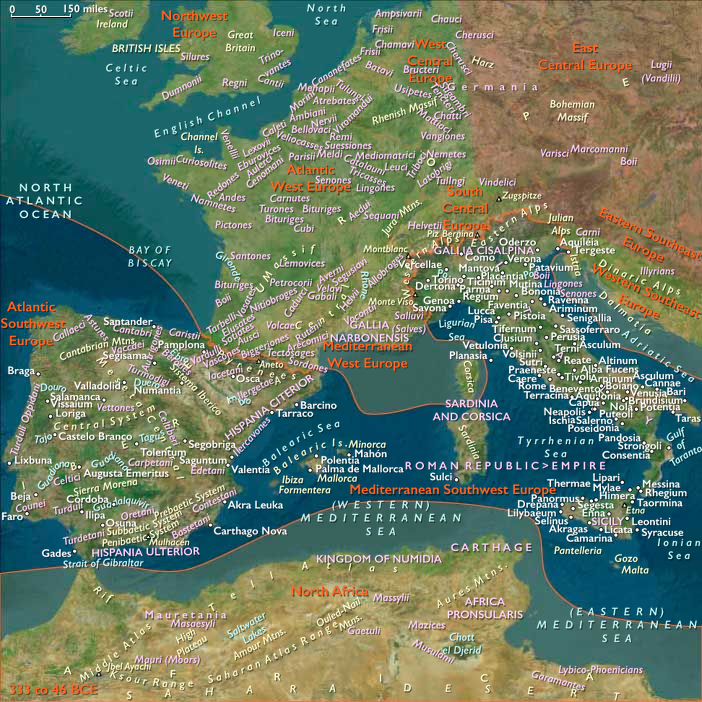
Subregions
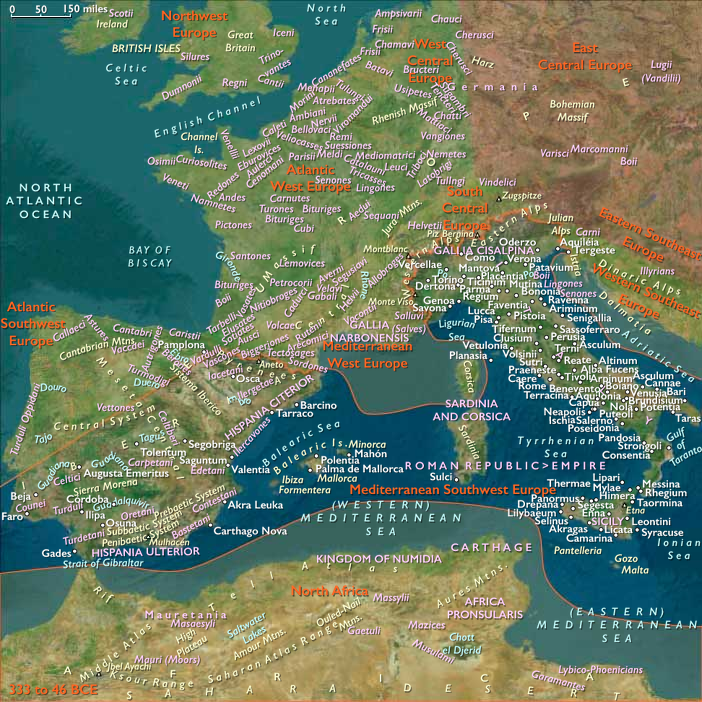
Related Events
Showing 10 events out of 62981 total
Years: 121BCE - 121BCE
Locations
People
Groups
Topics
- Classical antiquity
- Roman colonization
- Roman Age Optimum
- Gracchi, Revolt of the
- Roman Republic, Crisis of the
Commodoties
Subjects
- Commerce
- Environment
- Labor and Service
- Conflict
- Mayhem
- Faith
- Government
- Custom and Law
- Technology
- Movements
Regions
Subregions