
Filters:
The Suppression of Opium Knowledge During the …
Years: 1432 - 1443
The Suppression of Opium Knowledge During the Inquisition
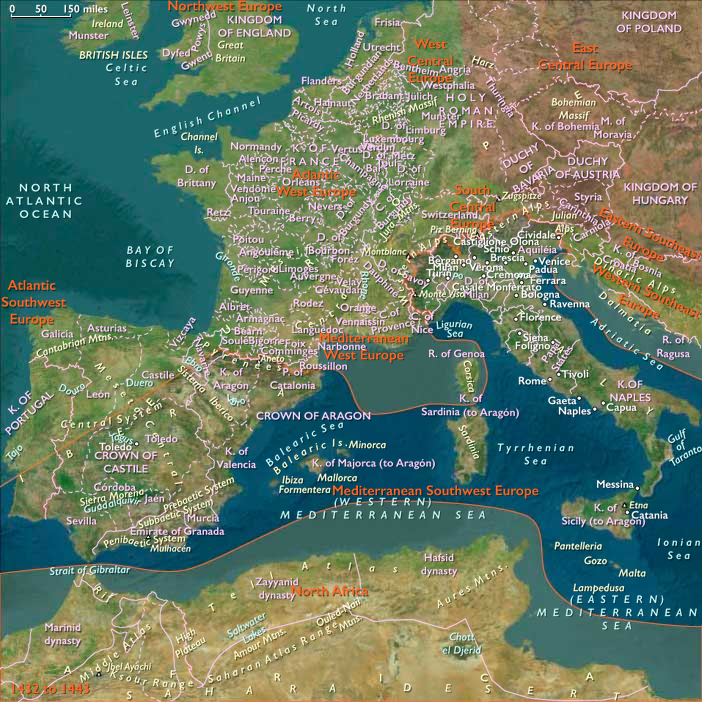
During the Inquisition, opium, once known in medieval European medicine, largely disappeared from historical records due to its association with the East, which was increasingly viewed with suspicion by Church authorities.
Opium’s Early Use in Europe
- Opium had been widely known in antiquity, used by the Greeks, Romans, and Islamic physicians for its pain-relieving and sedative properties.
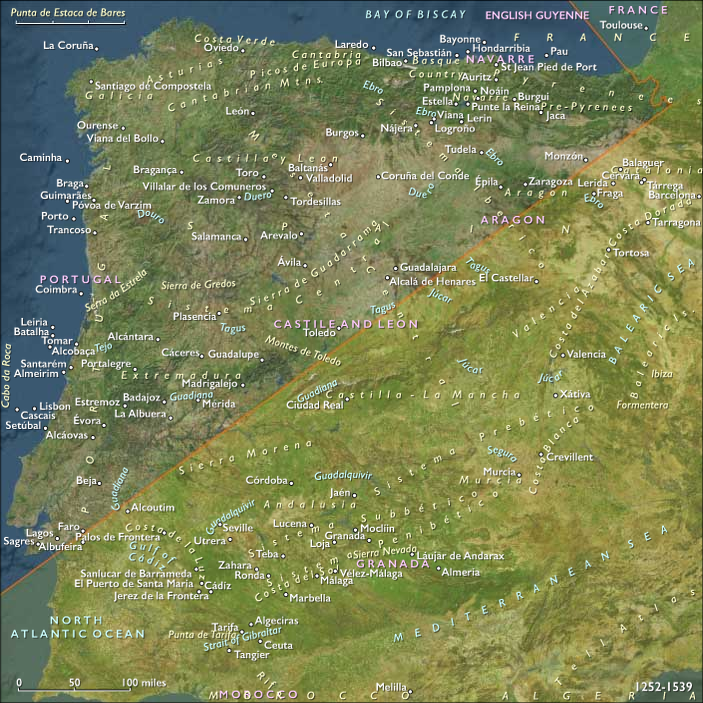
- In medieval Europe, it was introduced through Arab medical texts, particularly those translated in Spain and Italy.
- Famous medieval physicians like Avicenna (Ibn Sina) promoted its use in medical treatments, and it was included in early apothecaries' inventories.
The Inquisition and the Suppression of Eastern Knowledge
- As the Catholic Church intensified its control over intellectual thought, the Inquisition targeted "heretical" knowledge, including medical texts influenced by the Muslim world.
- The Renaissance-era Church increasingly associated Eastern sciences, alchemy, and exotic substances with heresy and the Devil.
- Opium, a substance linked to Arab and Asian medical traditions, was gradually excluded from European pharmacology.
The Decline of Opium in European Records
- By the late Middle Ages and early Renaissance, references to opium became scarce in scholarly and medical texts.
- Its import and use diminished as trade routes with the East became more restricted by religious scrutiny.
- The Church’s fear of "pagan" and "heretical" knowledge led to a decline in the academic study of substances like opium.
The Reintroduction of Opium in Early Modern Europe
- Opium reemerged in Europe during the Age of Exploration (16th–17th centuries), as Portuguese, Dutch, and British merchants rediscovered it through their contacts in India and China.
- The Jesuits, traveling in Asia, played a key role in reintroducing opium-based medicines, including laudanum, in the 16th century.
- By the 17th century, opium had returned to European medicine, particularly through the writings of Paracelsus and Thomas Sydenham, who revived its use for pain relief and sedation.
Conclusion: A Temporary Erasure from Western Knowledge
During the Inquisition, the Church’s fear of Eastern influence led to the suppression of knowledge related to opium, temporarily erasing it from European medical discourse. However, with the rise of global trade and renewed scientific inquiry, opium made its way back into European medicine, becoming a key substance in early modern pharmacology.
Commodoties
Subjects
- Commerce
- Products
- Performing Arts
- Labor and Service
- Conflict
- Faith
- Government
- Custom and Law
- Technology
Regions
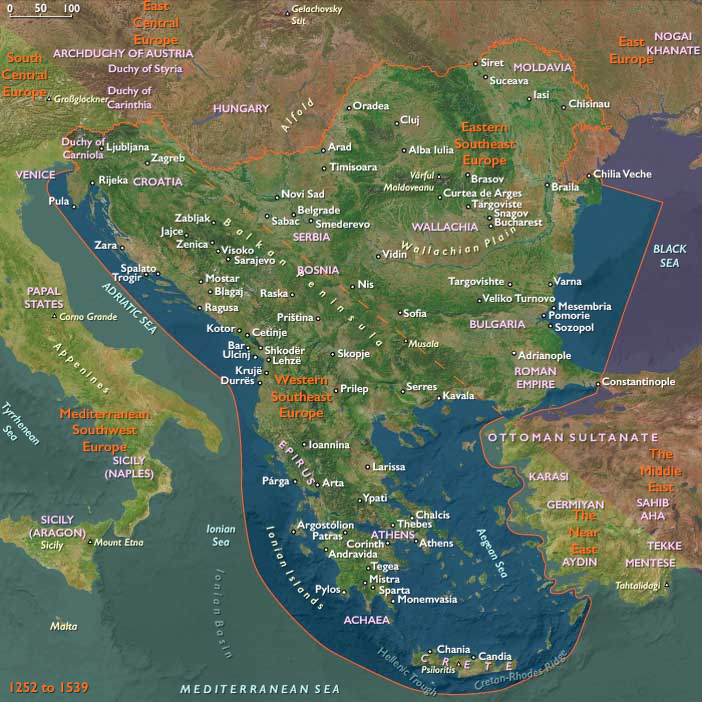
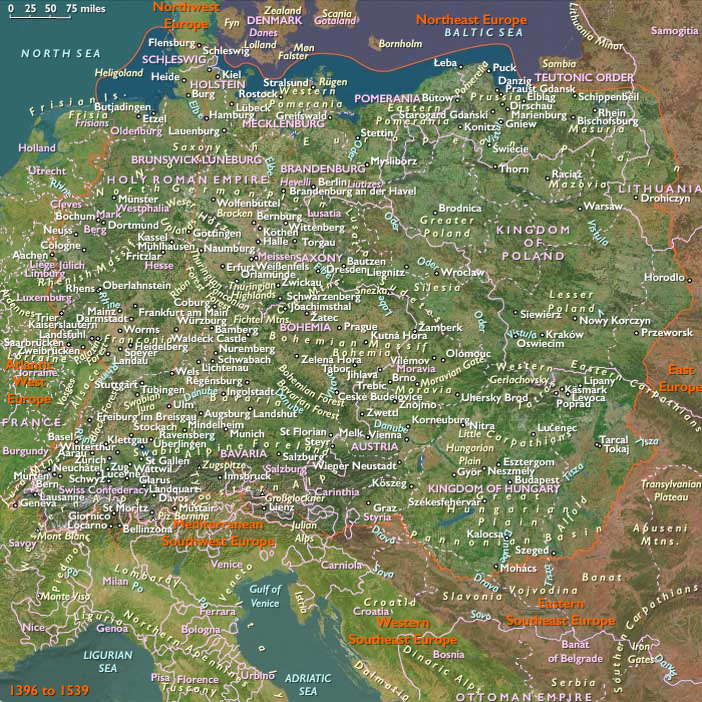
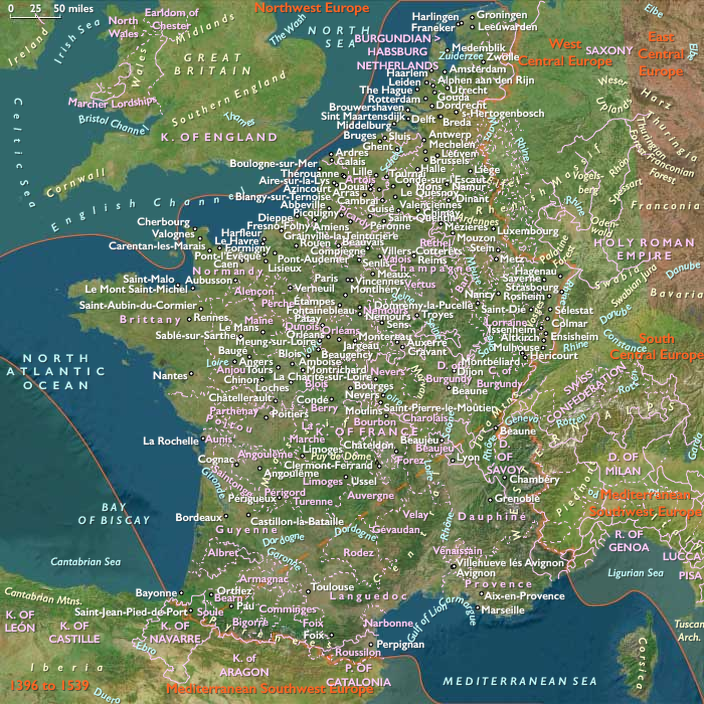
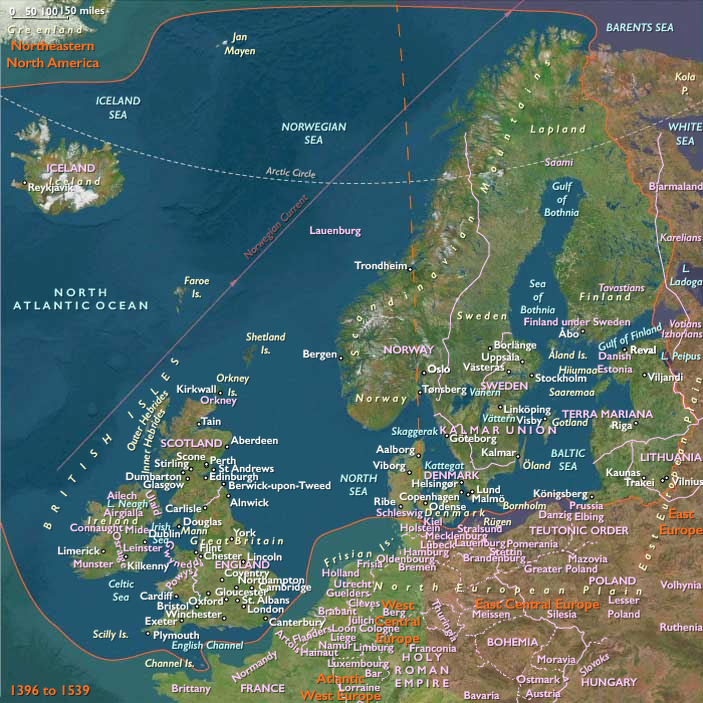

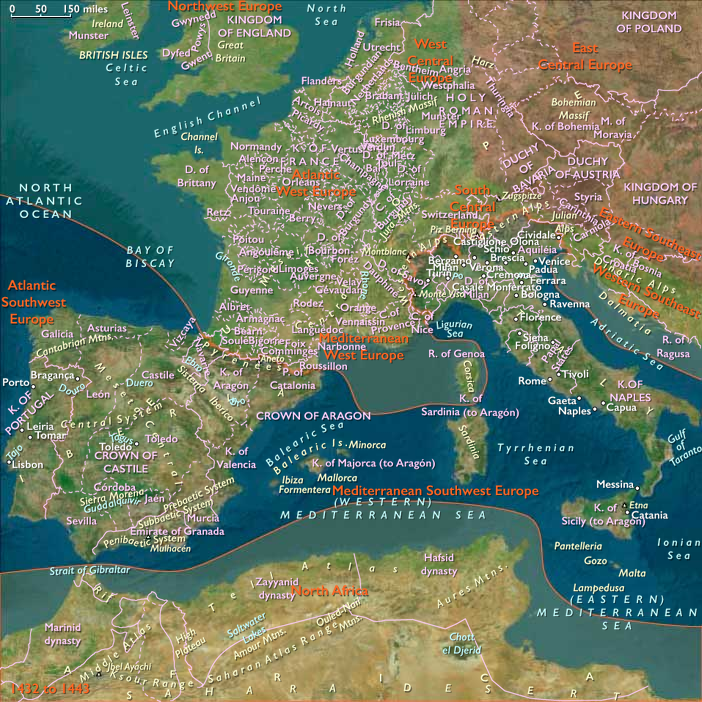
Subregions
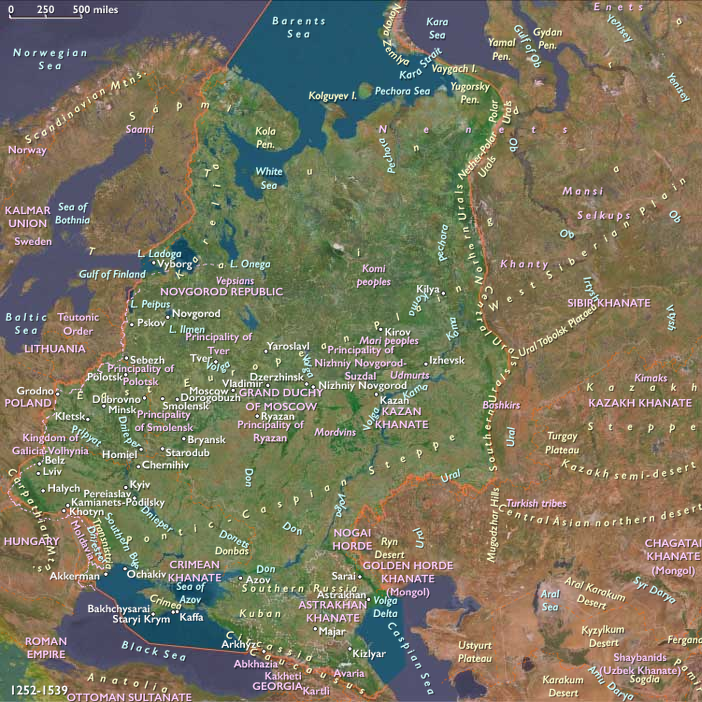
- East Europe
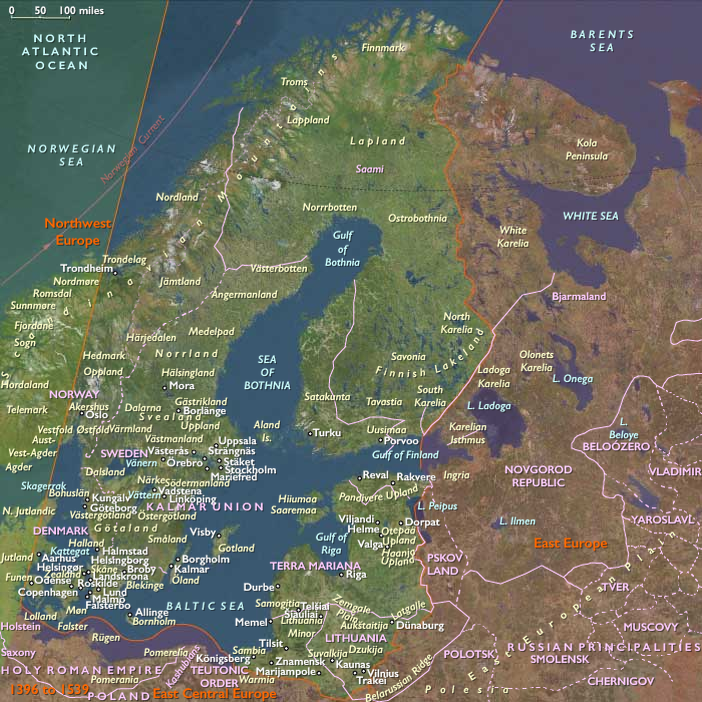
- Northeast Europe
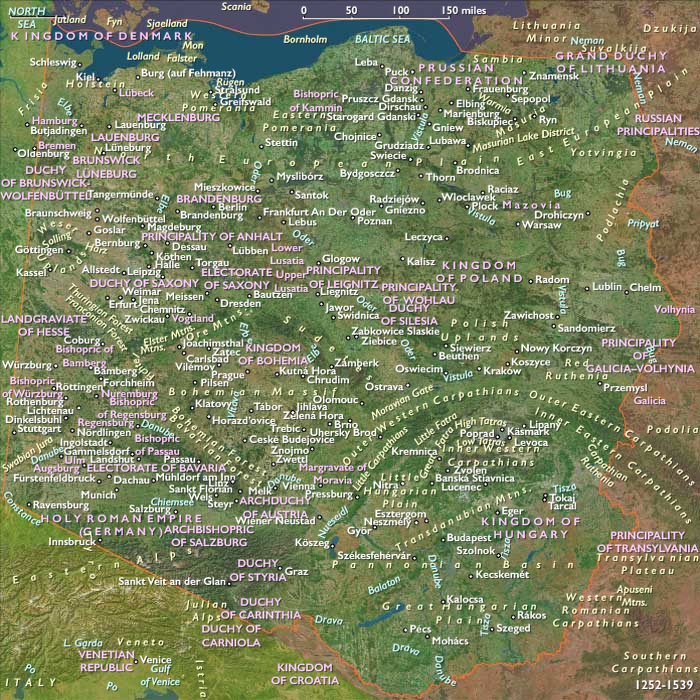
- East Central Europe
- Eastern Southeast Europe
- Western Southeast Europe
- South Central Europe
- Mediterranean West Europe
- Mediterranean Southwest Europe
- Atlantic Southwest Europe
- Atlantic West Europe
- West Central Europe
- Northwest Europe


Related Events
Showing 8 events out of 8 total
Years: 1432 - 1443
Commodoties
Subjects
- Commerce
- Products
- Performing Arts
- Labor and Service
- Conflict
- Faith
- Government
- Custom and Law
- Technology
Regions
Subregions
- East Europe
- Northeast Europe
- East Central Europe
- Eastern Southeast Europe
- Western Southeast Europe
- South Central Europe
- Mediterranean West Europe
- Mediterranean Southwest Europe
- Atlantic Southwest Europe
- Atlantic West Europe
- West Central Europe
- Northwest Europe