
Fur trading is one of the main …
Years: 1684 - 1827
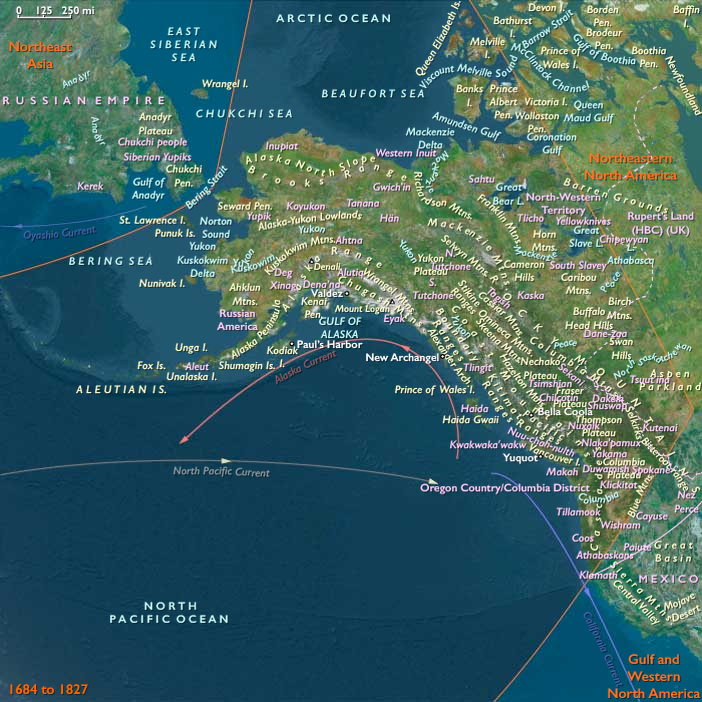
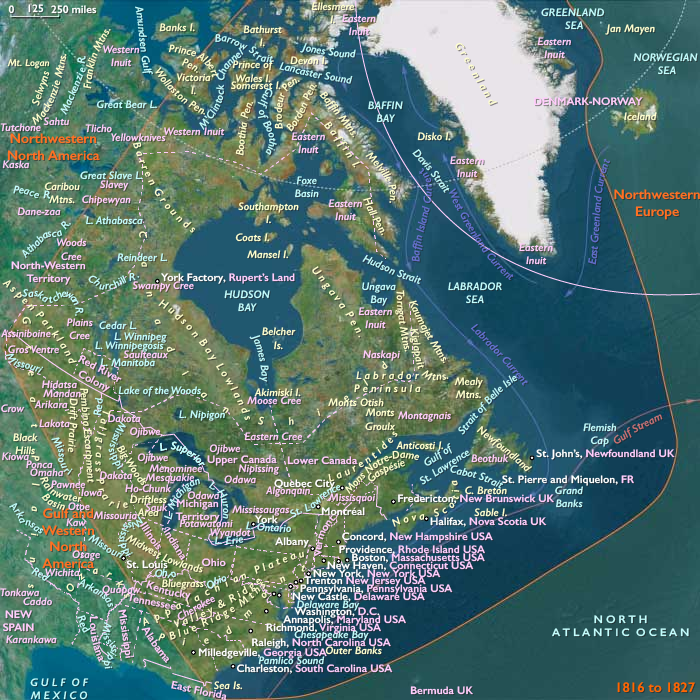
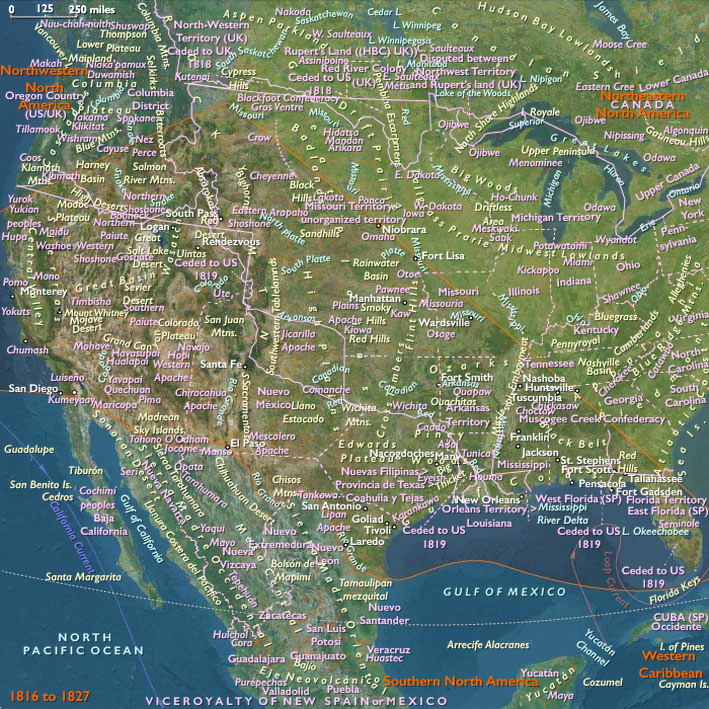
Fur trading is one of the main economic activities in Northern America from the late sixteenth century to the mid-nineteenth century
At this time, demand for fur is surging in Europe as it is used to make cloth and fancy hats.
Data collected from England in the eighteenth century highlights that the years from 1746 to 1763 see an increase of twelve shillings per pelt.
It has been calculated that over twenty million beaver hats were exported from England alone from 1700 to 1770.
Both trading partners in North America, natives and Europeans, provide the other a comparative advantage in the fur trade industry.
The opportunity cost of hunting beavers in Europe is extremely high: by the seventeenth and eighteenth centuries, the Eurasian beaver is near extinction in England and France.
On the other hand, traders and trappers think the wildlife in the New World is essentially limitless.
Natives make use of the trade goods received, particularly knives, axes, and guns.
The fur trade will provides a stable source of income for many Native Americans until the mid-nineteenth century, when changing fashion trends in Europe and a decline in the beaver population in North America bring about a collapse in demand for fur.
As Native Americans are pressed into alliances by the Europeans for Queen Anne's War, the Seven Years' War, the Nine Years' War, and other standing competitions among the European powers: France, Great Britain and Spain, with whom they are dealing in North America, they feel drawn into the Europeans' endemic warfare.
Groups
- New France (French Colony)
- France, (Bourbon) Kingdom of
- Virginia (English Crown Colony)
- England, (Stewart, Restored) Kingdom of
- Carolina, Province of (English Colony)
- England, (Orange and Stewart) Kingdom of
- Virginia (English Crown Colony)
- England, (Stuart) Kingdom of
- Russian Empire
- British North America
- Virginia, Commonwealth of (U.S.A.)
- United States of America (US, USA) (New York NY)
- France, Kingdom of (constitutional monarchy)
- French First Republic
- Russian-American Company
- France, constitutional monarchy of
Topics
- North American Fur Trade
- Indian Trade
- Colonization of the Americas, French
- Colonization of the Americas, English
- Nine Years' War
- Queen Anne's War
- Colonization of the Americas, British
- Maritime Fur Trade
- Colonization of the Americas, Russian
- French and Indian War
- Seven Years' War
Commodoties
Subjects
Regions

Subregions
Related Events
Showing 10 events out of 30218 total
Years: 1684 - 1827
Groups
- New France (French Colony)
- France, (Bourbon) Kingdom of
- Virginia (English Crown Colony)
- England, (Stewart, Restored) Kingdom of
- Carolina, Province of (English Colony)
- England, (Orange and Stewart) Kingdom of
- Virginia (English Crown Colony)
- England, (Stuart) Kingdom of
- Russian Empire
- British North America
- Virginia, Commonwealth of (U.S.A.)
- United States of America (US, USA) (New York NY)
- France, Kingdom of (constitutional monarchy)
- French First Republic
- Russian-American Company
- France, constitutional monarchy of
Topics
- North American Fur Trade
- Indian Trade
- Colonization of the Americas, French
- Colonization of the Americas, English
- Nine Years' War
- Queen Anne's War
- Colonization of the Americas, British
- Maritime Fur Trade
- Colonization of the Americas, Russian
- French and Indian War
- Seven Years' War
Commodoties
Subjects
Regions
Subregions