
Filters:
The Congress of Vienna (1815) and the …
Years: 1815 - 1815
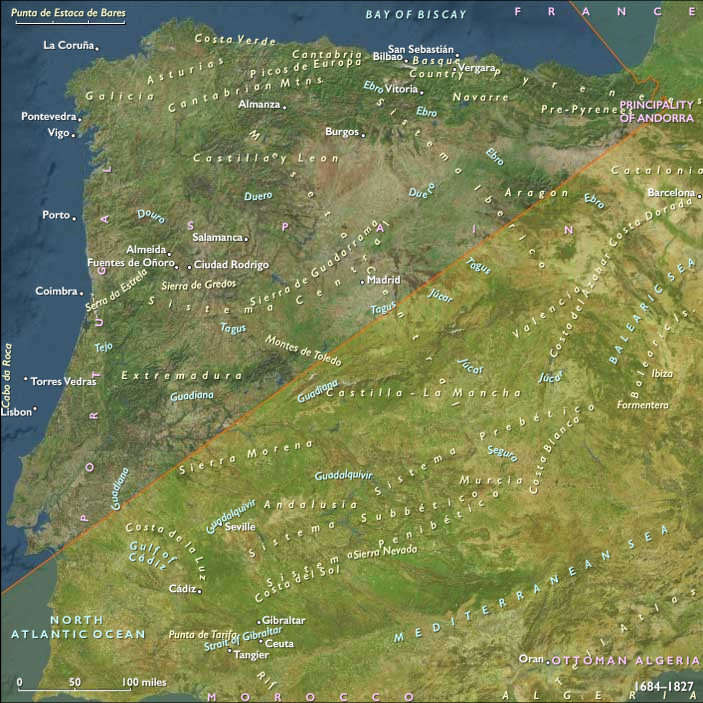
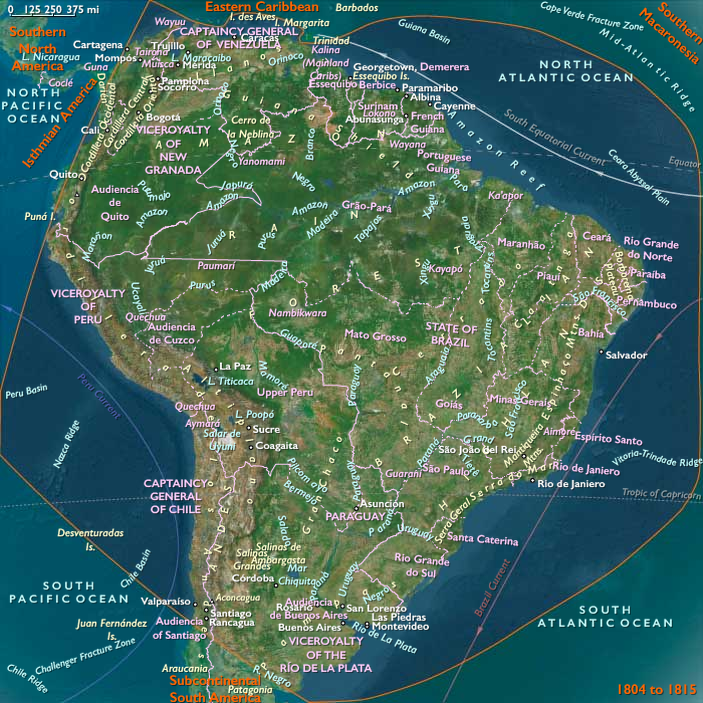
The Congress of Vienna (1815) and the United Kingdom of Portugal, Brazil, and the Algarves
One of the significant geopolitical outcomes of the 1815 Congress of Vienna was the elevation of Brazil from a colony to an equal partner in a "United Kingdom" with Portugal, a move initiated by King João VI of the House of Braganza.
Background – The Portuguese Court in Brazil (1807–1815)
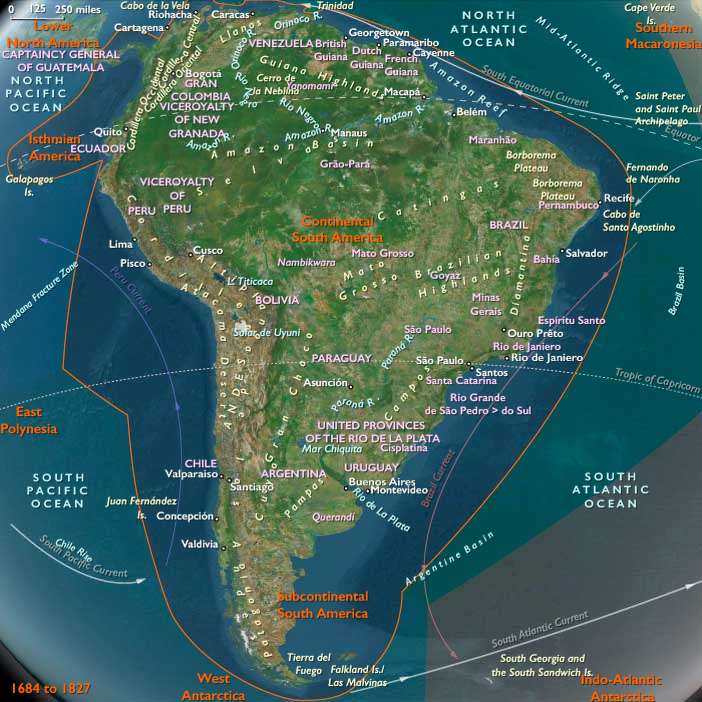
- In 1807, facing Napoleon’s invasion of Portugal, the Portuguese royal family fled to Brazil, establishing their government in Rio de Janeiro.
- For the first time, a European monarchy ruled from the Americas, making Brazil the de facto center of the Portuguese Empire.
- During his stay in Brazil, João VI enacted major reforms, including opening Brazilian ports to foreign trade (breaking the colonial monopoly system) and founding cultural and educational institutions.
The Creation of the United Kingdom of Portugal, Brazil, and the Algarves (1815)
- At the Congress of Vienna, João VI sought to legitimize Brazil’s elevated status, ensuring that it would not return to its former colonial position.
- On December 16, 1815, João VI formally declared Brazil a co-equal kingdom, creating the United Kingdom of Portugal, Brazil, and the Algarves.
- This was a historic change, as Brazil was now legally and politically equal to Portugal, rather than a subordinate colony.
Impact of the Decision
-
Preserved Braganza Rule
- The move ensured Portuguese sovereignty over Brazil, preventing Brazilian independence—at least temporarily.
-
Enhanced Brazilian Prestige
- Brazil gained a higher international status, allowing it to develop politically and economically.
- Rio de Janeiro remained the capital of the United Kingdom, solidifying its importance in the empire.
-
Resentment in Portugal
- Many Portuguese resented the shift of power to Brazil, leading to growing demands for João VI’s return to Lisbon.
- This tension would contribute to the 1820 Liberal Revolution in Portugal.
-
Brazilian Path to Independence
- Though it temporarily unified Portugal and Brazil, the creation of the United Kingdom ultimately fueled Brazilian nationalism.
- In 1822, João VI’s son, Pedro I of Brazil, would declare Brazilian independence, dissolving the United Kingdom.
Conclusion – A Short-Lived but Pivotal Transformation
The elevation of Brazil to equal status with Portugal in 1815 was a direct result of the Congress of Vienna’s goal of restoring European monarchies and stabilizing borders. However, rather than reinforcing Portugal’s colonial rule, it set Brazil on the path toward full independence, marking a key transitional moment in the history of both nations.
Locations
People
Groups
Topics
Subjects
Regions
Subregions
Years: 1815 - 1815
Locations
People
Groups
Topics
Subjects
Regions
Subregions