
Early marches his army north against Crook …
Years: 1864 - 1864
July
Early marches his army north against Crook on the morning of July 24.
Confederate cavalry encounters its Union counterpart south of Kernstown in the morning and heavy skirmishing broke out.
Couriers alert Crook to the attack.
Crook still believes Early's infantry had left the Valley and sent only two of his division with cavalry support to meet the attack.
In the early afternoon, the infantry of both armies had arrived on the field.
The Confederate position extends well to each side of the Valley pike south of Kernstown, anchored on each flank on high ground and screened by cavalry.
Major General John B. Gordon's division forms the Confederate center along the Valley Turnpike.
Ramseur's division forms on his left with its flank resting on Sandy Ridge to the west of Kernstown, screened by Col. William "Mudwall" Jackson's cavalry.
Brigadier General Gabriel C. Wharton's division, led by Major General John C. Breckinridge, forms the Confederate right, with its flank screened by Brigadier General John C. Vaughn's cavalry.
Early initially conceals his infantry in a woods, sending out his cavalry and skirmish line of sharpshooters to draw the Federals into battle, thus playing into Crook's misconception that the Confederate infantry has left the Valley.
The Union infantry position remains clustered around the Valley Pike in Kernstown anchored by Colonel James A. Mulligan's division on Pritchard's Hill, one of the keys to the Union success at the First Battle of Kernstown in 1862.
To his right, Colonel Joseph Thoburn's division forms on Sandy Ridge.
To his left, future president Rutherford B. Hayes's brigade forms east of the Valley turnpike.
Crook dispatches cavalry under Averell to ride around the Confederate right flank and get in its rear.
As the two armies skirmishers encounter one another the battle gets under way.
It soon becomes apparent to the Federal divisional commanders that they are facing a superior Confederate force which they are hesitant to attack and relay the information to Crook.
Crook quickly becomes impatient by the lack of his divisional commanders to attack the Confederate position, and distrusts their report of the Confederate strength.
He orders Mulligan to attack the Confederates with Hayes's division in support.
At 1 p.m., the Union infantry reluctantly moves out, abandoning Pritchard's Hill.
Mulligan's division bitterly holds its ground at Opequon Church where its advance is halted by Gordon's men.
As Hayes's brigade advances in support, Breckinridge marches Wharton's division to the northeast into a deep ravine that runs perpendicular to the Valley Turnpike.
He turns the division into the ravine, which screens his movement from the Federals on the turnpike.
As Hayes comes up the road past the ravine, Breckinridge orders a charge and the Confederates assault Hayes's exposed flank and send his division reeling in retreat, taking many casualties.
Thoburn is supposed to support Mulligan's right flank in the attack, but because of the topography of the battlefield, he becomes separated from Mulligan and sees little action during the battle.
Gordon's Confederates exploit the gap in the Union line to get on Mulligan's right and when Hayes's division breaks, Mulligan finds himself caught between two Confederate divisions.
Mulligan immediately orders a withdrawal, and is mortally wounded as he tries to rally his troops and prevent a full rout during the retreat.
The Confederate infantry presses the fleeing Federals all the way back through Winchester and the cavalry keep at their heels well into West Virginia.
Locations
People
Groups
- Virginia, Commonwealth of (U.S.A.)
- United States of America (US, USA) (Washington DC)
- Confederate States of America (C.S.A.)
Topics
- American Civil War (War between the States, War of the Rebellion, War of Secession, War for Southern Independence)
- Eastern Theater of the American Civil War
- American Civil War & Reconstruction; 1864 through 1875
- Kernstown, Second Battle of
Subjects
Regions
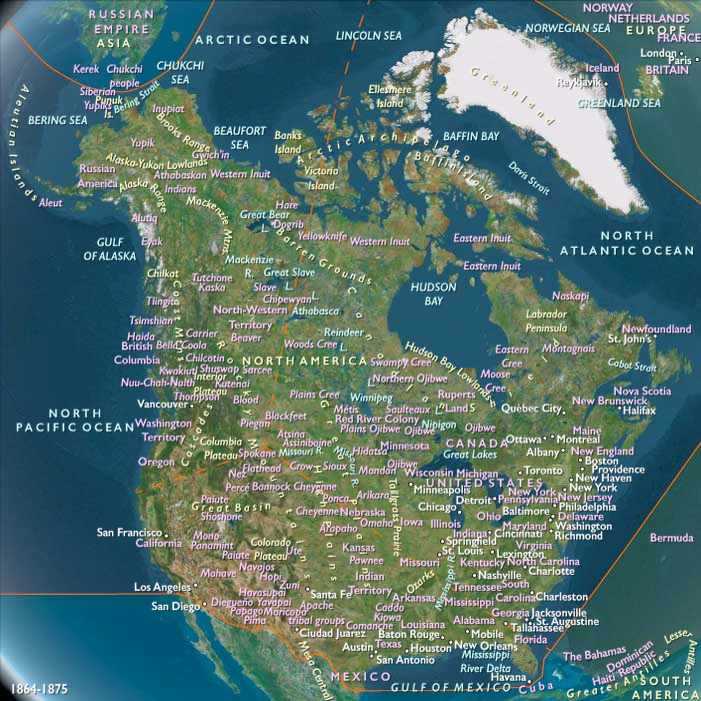
Subregions
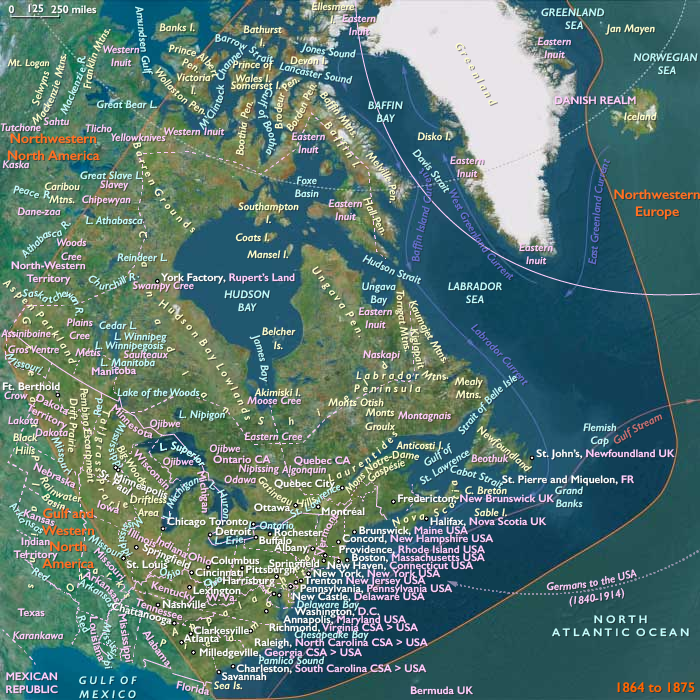
Related Events
Showing 10 events out of 14241 total
Years: 1864 - 1864
July
Locations
People
Groups
- Virginia, Commonwealth of (U.S.A.)
- United States of America (US, USA) (Washington DC)
- Confederate States of America (C.S.A.)
Topics
- American Civil War (War between the States, War of the Rebellion, War of Secession, War for Southern Independence)
- Eastern Theater of the American Civil War
- American Civil War & Reconstruction; 1864 through 1875
- Kernstown, Second Battle of
Subjects
Regions
Subregions