
Hong Xiuquan proclaims his new dynasty, the …
Years: 1851 - 1851
January
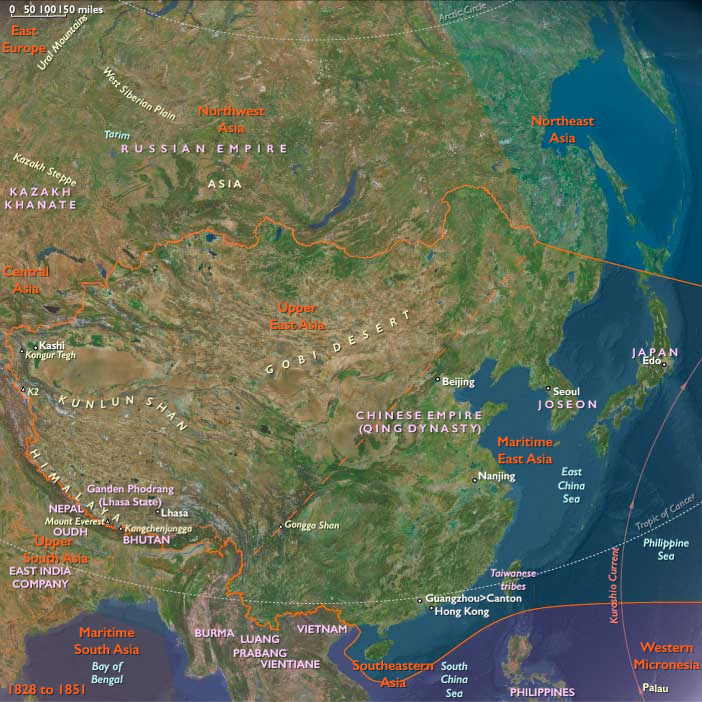
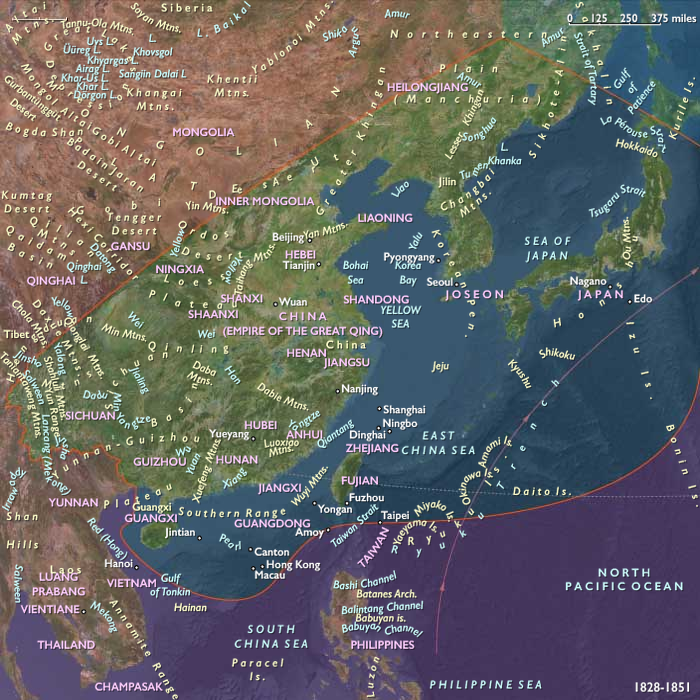
Hong Xiuquan proclaims his new dynasty, the T'ai-p'ing T'ien-kuo ("Heavenly Kingdom of Great Peace") on his birthday, January 1, 1851, and assumes the title of T'ien-wang, or Heavenly King.
Locations
People
Groups
Topics
Subjects
Regions
Subregions
Related Events
Showing 10 events out of 16295 total
Years: 1851 - 1851
January
Locations
People
Groups
Topics
Subjects
Regions
Subregions