
Okvik Culture (244–387 CE) St. Lawrence …
Years: 244 - 387
Okvik Culture (244–387 CE)
St. Lawrence Island’s Distinctive Style and the Dialogues of OBS
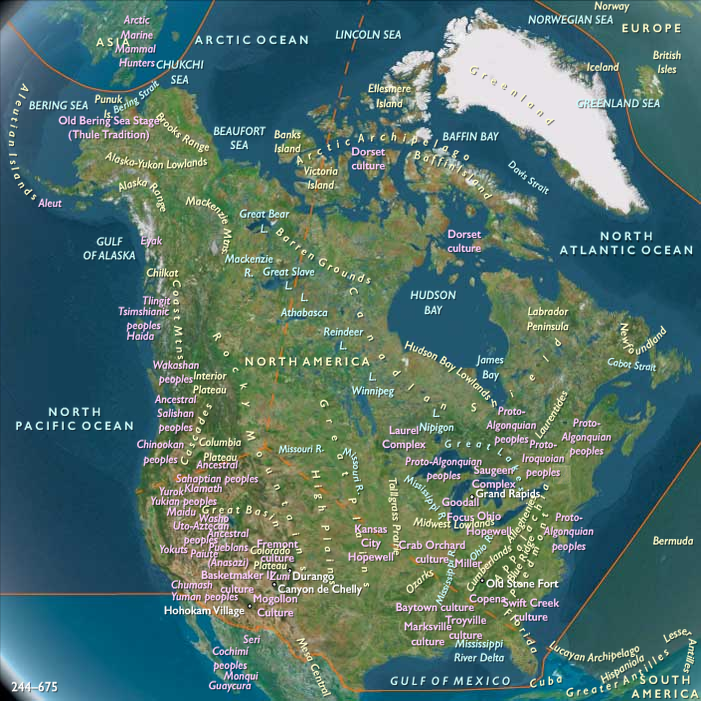
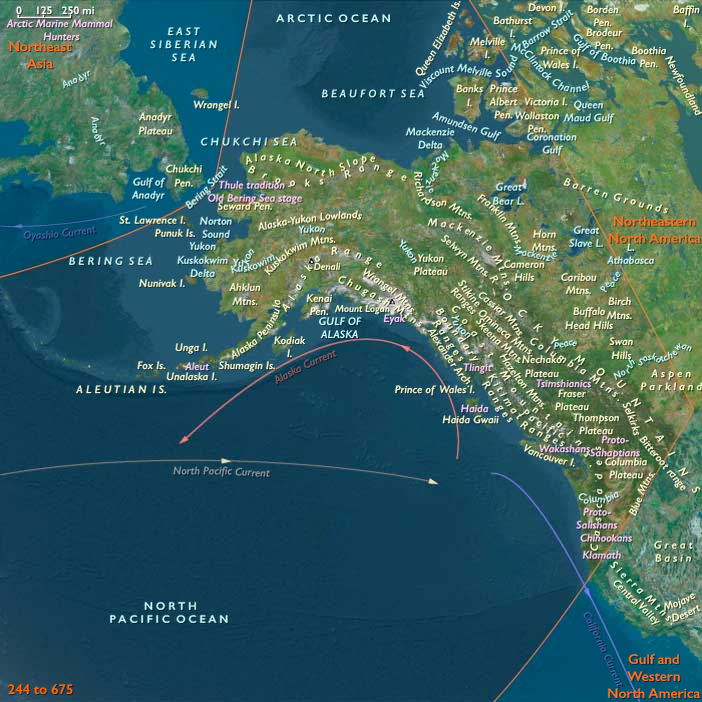
The Okvik culture, named for the northern Punuk Islands southeast of St. Lawrence Island, flourished in the mid-3rd to 4th centuries CE. Archaeologists see it as a contemporary counterpart to the developed Old Bering Sea traditionaround 300 CE — its communities inhabiting the same Bering Strait world, but expressing it with distinctive material and social emphases.
Okvik sites are especially renowned for their ivory carving style, marked by bold incisions, spirals, and figurative forms that set them apart from the more geometric OBS patterns. Harpoon heads, snow goggles, and ornaments recovered at Okvik display both artistry and practical refinement. Some depict stylized human or animal faces, perhaps embodying spiritual guardianship.
Subsistence paralleled that of OBS communities: marine hunting of walrus, seals, and whales, complemented by fishing and foraging. Okvik groups also engaged in long-distance exchange — their materials show ties to Siberia, Alaska, and neighboring island groups.
What distinguishes Okvik in the archaeological record is less subsistence and more identity of style. Many specialists treat Okvik as a regional expression of OBS, while others view it as a separate but allied tradition that coexisted and interacted with OBS communities. Either way, the Okvik horizon reveals a world of dialogue between island and mainland, where artistry was as much about signaling belonging and prestige as about decorating tools.
By the later 4th century, the Okvik tradition began to fade, merging into the broader Punuk trajectory that would reshape Bering Strait societies by the early medieval period.
Topics
Commodoties
Subjects
Regions
Subregions
Related Events
Showing 10 events out of 60511 total
Years: 244 - 387
Topics
Commodoties
Subjects
Regions
Subregions