
The Annexation of Navarre to Castile (1515) …
Years: 1515 - 1515
June
The Annexation of Navarre to Castile (1515) and Its Political Ramifications
Despite formal oaths and promises, the annexation of Upper Navarre by Castile in 1515 was marked by institutional conflict, centralization, and internal resistance. Navarre and Aragon had distinct legal systems and governance structures, yet Castilian pressure forced Navarre into a political framework it had never been part of before.
Navarre’s Institutional and Social Differences from Aragon and Castile
- Navarre and Aragon shared a confederate political system, with strong regional institutions and privileges (fueros).
- Castile, in contrast, had a more centralized and authoritarian monarchy, exerting greater direct control over its territories.
- The occupation of Navarre by Castilian and Aragonese forces (1512–1514) paved the way for full annexation, despite local opposition and unrest.
The Political Process of Annexation (1513–1515)
- Initially, Ferdinand II of Aragon claimed Navarre as a territory of the Crown of Aragon, using papal bulls as justification.
- Machiavelli, observing the situation, predicted that Ferdinand would soon align himself with France, consolidating power in Navarre without prolonged conflict.
- However, Castilian political influence and military pressure ensured that Navarre would ultimately be absorbed into Castile rather than Aragon.
The Cortes of Burgos (June 11, 1515): The Formal Annexation of Navarre
- Navarre was officially annexed into Castile at the Cortes of Burgos on June 11, 1515.
- No Navarrese representatives were present, meaning the kingdom had no say in its own fate.
- The annexation was done in the name of Joanna of Castile (daughter of Isabella I and nominal queen of Castile), officially incorporating Navarre into the Crown of Castile.
Resistance and Ferdinand’s Promises to Respect Navarrese Institutions
- Despite the annexation, Ferdinand took an oath to respect Navarre’s laws and privileges (fueros), known as the pactum subjectionis.
- However, over time, Castilian centralization policies would erode Navarre’s autonomy, leading to frequent conflicts and tensions.
The Imprisonment of Count Louis of Beaumont
- Louis of Beaumont, Count of Lerín, a key ally of Ferdinand II during the conquest of Navarre, unexpectedly protested against the annexation to Castile.
- In response, he was arrested and imprisoned, demonstrating that even Ferdinand’s former allies could not challenge Castilian authority without consequences.
Conclusion: Navarre’s Forced Integration into Castile
- The annexation of Navarre into Castile (1515) was a political maneuver driven by military conquest and centralization, not a voluntary union.
- Despite promises to respect Navarre’s laws, Castile would gradually erode its autonomy, leading to centuries of resistance and tension.
- Even Ferdinand’s allies, such as the Count of Lerín, opposed the move, underscoring the deep dissatisfaction among Navarrese elites.
The events of 1515 marked the final chapter in Navarre’s sovereignty, as it became a subject kingdom under Castilian rule, setting the stage for continued unrest and resistance against Spanish control.
Locations
People
- Alonso de Aragón
- Catherine of Navarre
- Diego Fernández de Córdoba y Arellano
- Fadrique Álvarez de Toledo
- Ferdinand II of Aragon
- Gaston of Foix
- Germaine of Foix
- Henry VIII of England
- Joanna of Castile
- John III of Navarre
- Louis I d'Orléans
- Louis XII of France
Groups
- Papal States (Republic of St. Peter)
- Navarre, Kingdom of
- Christians, Roman Catholic
- Béarn, Viscountcy of
- Aragón, Kingdom of
- Aragon, Crown of
- Castile, Crown of
- Foix, County of
- France, (Valois) Kingdom of
- Holy Roman Empire
- England, (Tudor) Kingdom of
- Landsknechts
Topics
Commodoties
Subjects
Regions
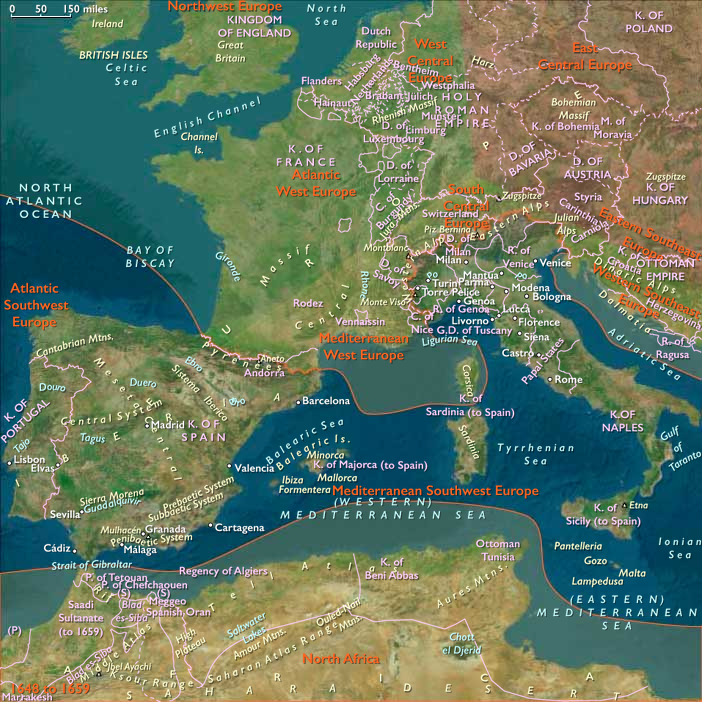
Subregions
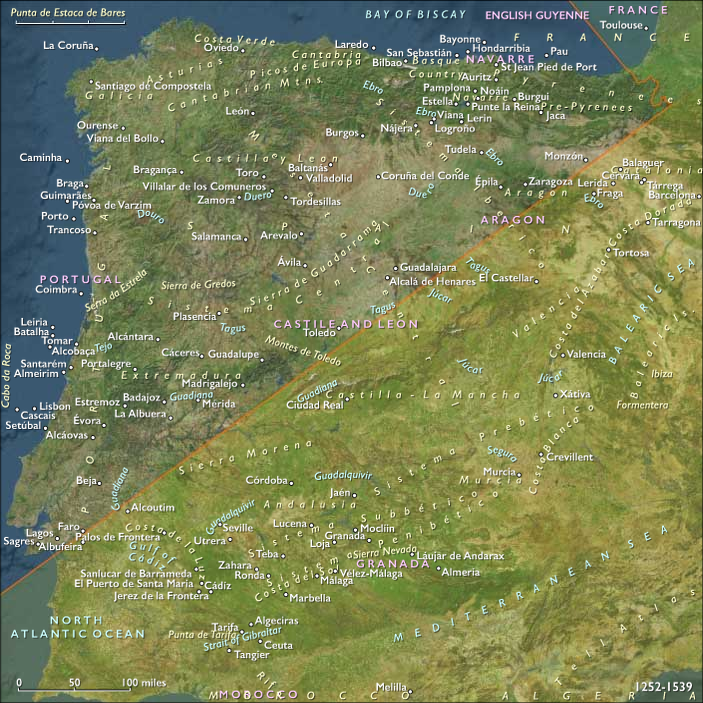
Related Events
Showing 10 events out of 39125 total
Years: 1515 - 1515
June
Locations
People
- Alonso de Aragón
- Catherine of Navarre
- Diego Fernández de Córdoba y Arellano
- Fadrique Álvarez de Toledo
- Ferdinand II of Aragon
- Gaston of Foix
- Germaine of Foix
- Henry VIII of England
- Joanna of Castile
- John III of Navarre
- Louis I d'Orléans
- Louis XII of France
Groups
- Papal States (Republic of St. Peter)
- Navarre, Kingdom of
- Christians, Roman Catholic
- Béarn, Viscountcy of
- Aragón, Kingdom of
- Aragon, Crown of
- Castile, Crown of
- Foix, County of
- France, (Valois) Kingdom of
- Holy Roman Empire
- England, (Tudor) Kingdom of
- Landsknechts
Topics
Commodoties
Subjects
Regions
Subregions