
Regional Variability in the Emergence of the …
Years: 7821BCE - 6094BCE
Regional Variability in the Emergence of the Neolithic
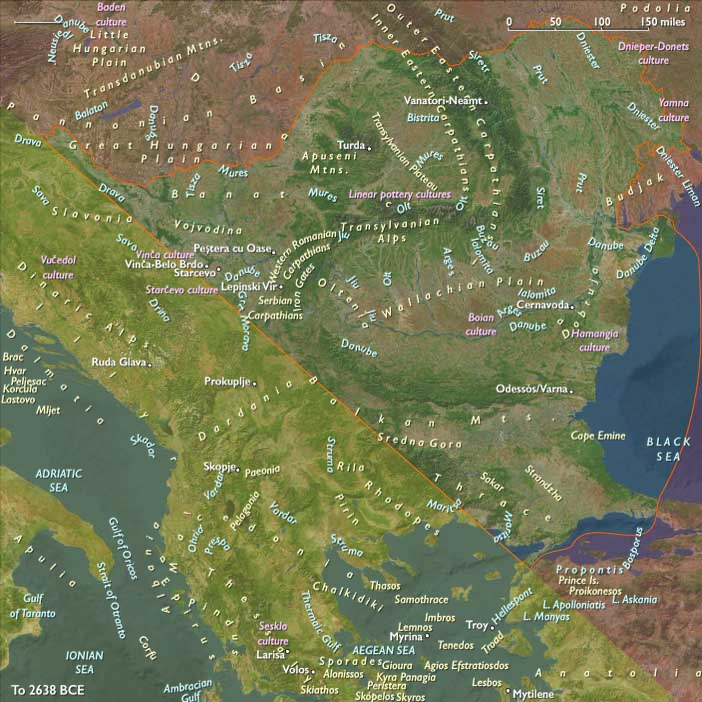
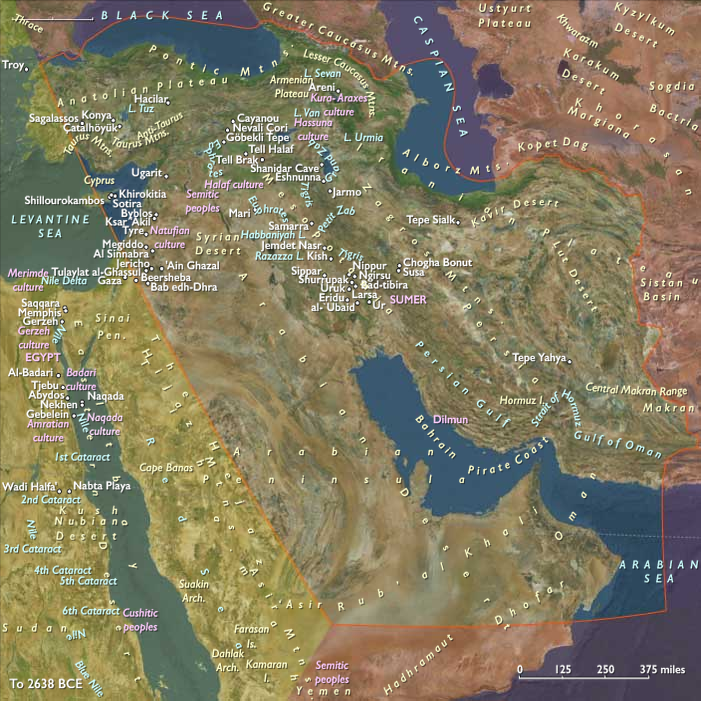
The Neolithic period was marked by the transition from hunter-gatherer societies to farming and permanent settlements, but these developments did not occur simultaneously or in the same order across different regions. Instead, the characteristic elements of the Neolithic—agriculture, animal domestication, pottery, and permanent settlements—emerged at different times and in different sequences around the world.
Divergent Paths to Agriculture and Settlement
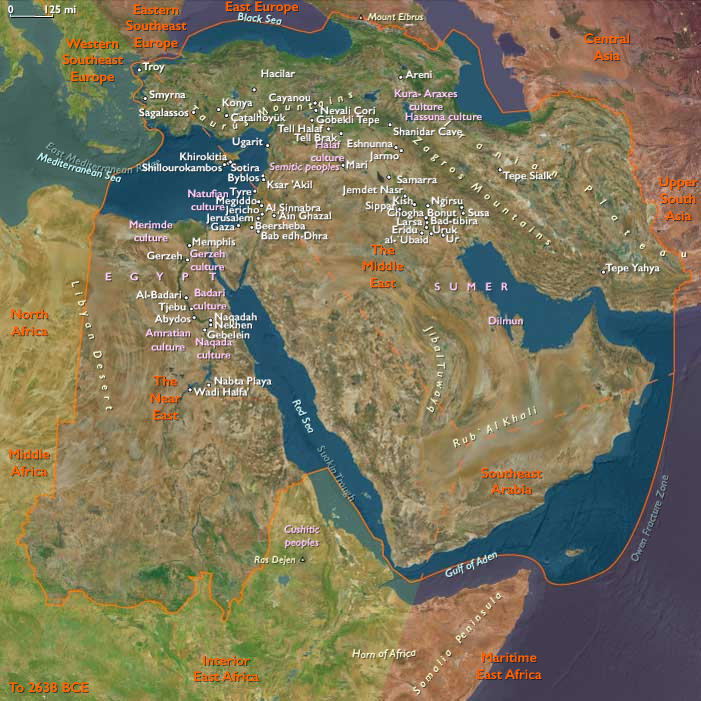
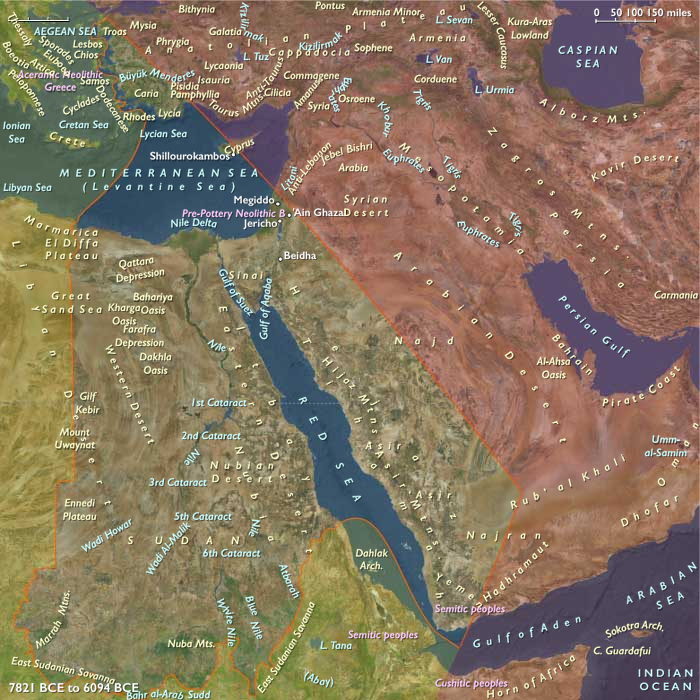
- In the Near East, where some of the earliest farming societies developed, pottery was not initially used. Early Neolithic communities practiced cultivation and animal domestication while continuing to rely on stone tools and basketry for food storage.
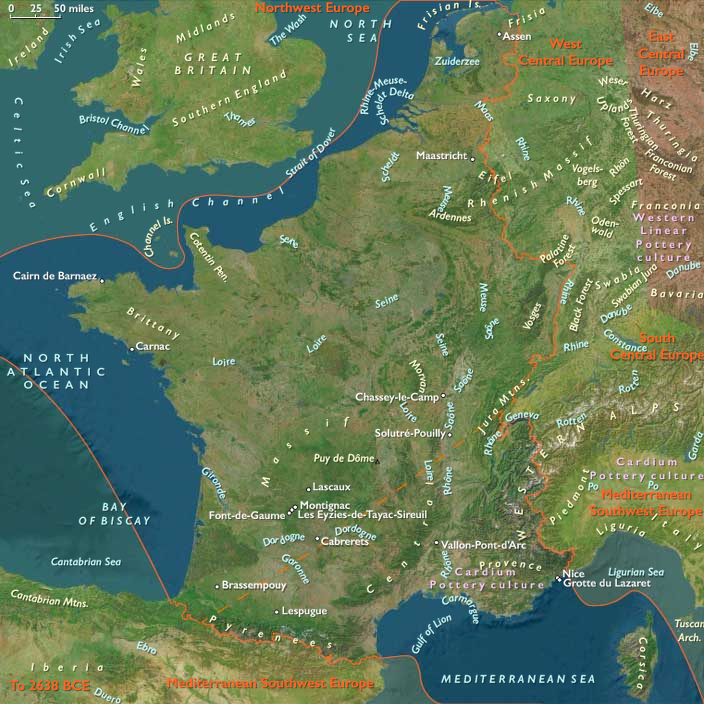
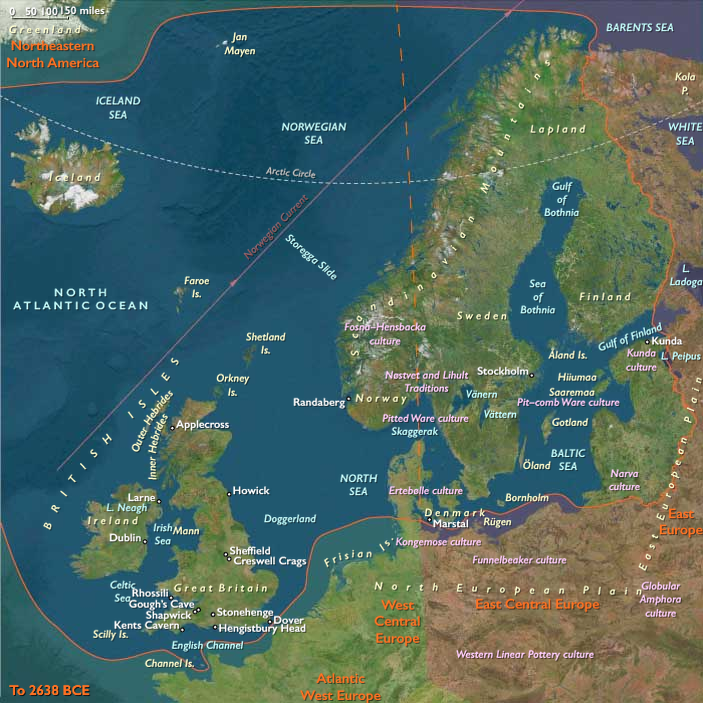
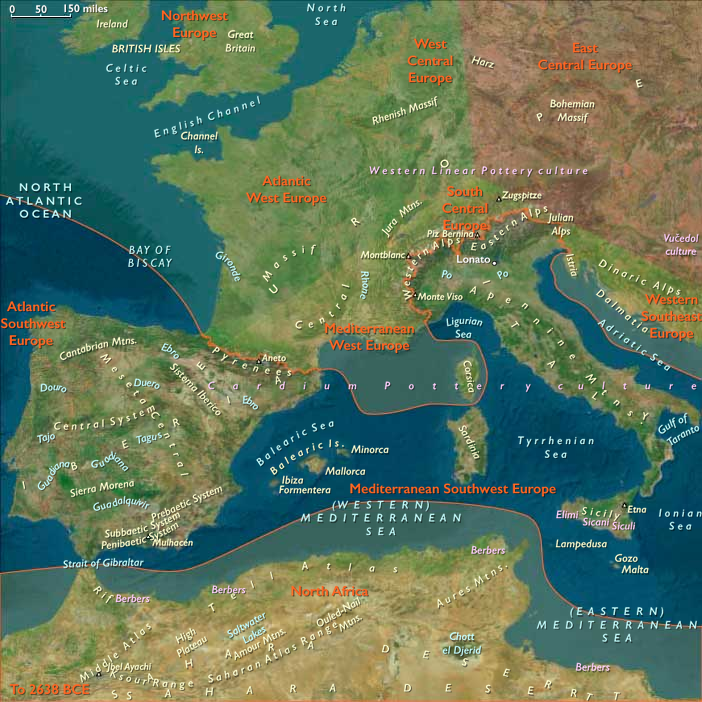
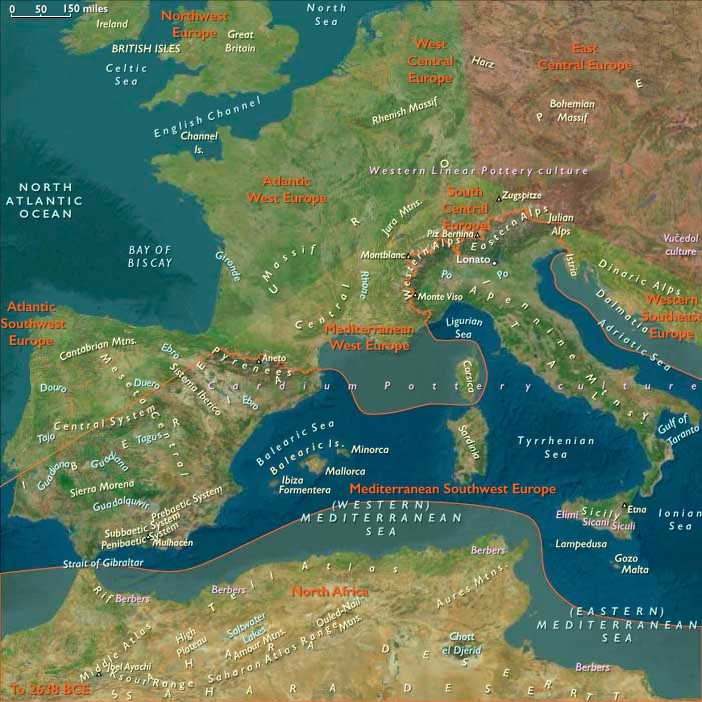
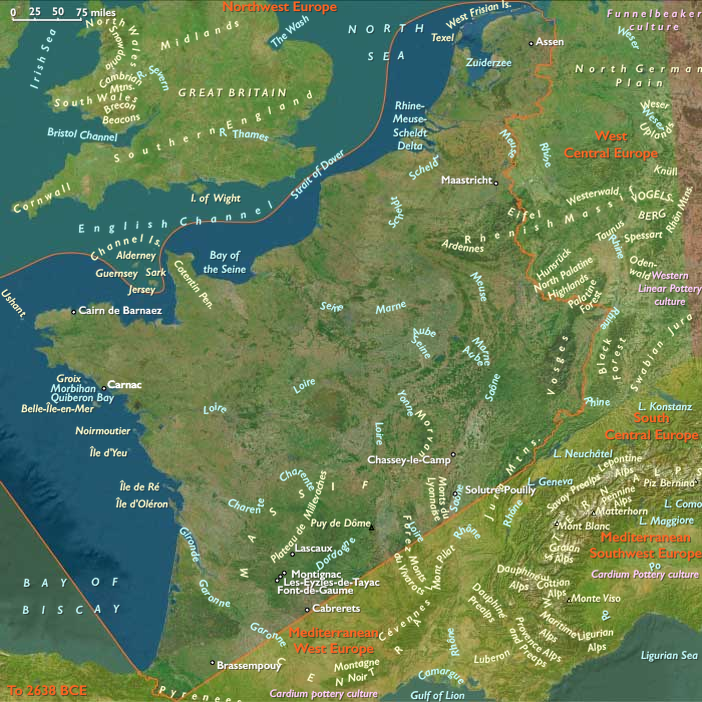
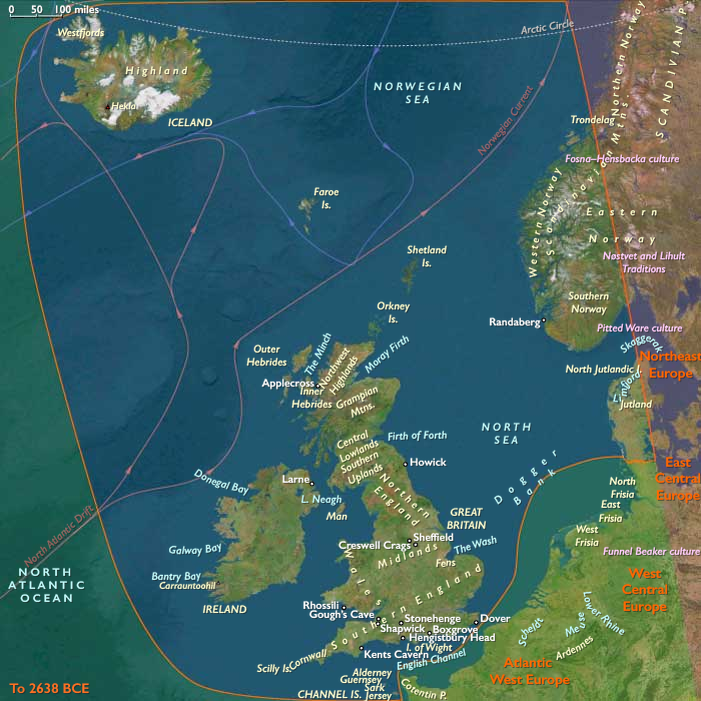
- In Britain, the extent to which plant domestication played a role in the earliest Neolithic remains uncertain. It is also unclear whether permanently settled communities had fully developed in the initial stages or whether mobility remained a key aspect of life.
Independent Neolithic Developments Beyond Europe and Southwest Asia
While the Near East and Europe were among the first regions to develop agriculture-based societies, other parts of the world experienced independent Neolithic transitions, each following distinct cultural and technological trajectories:
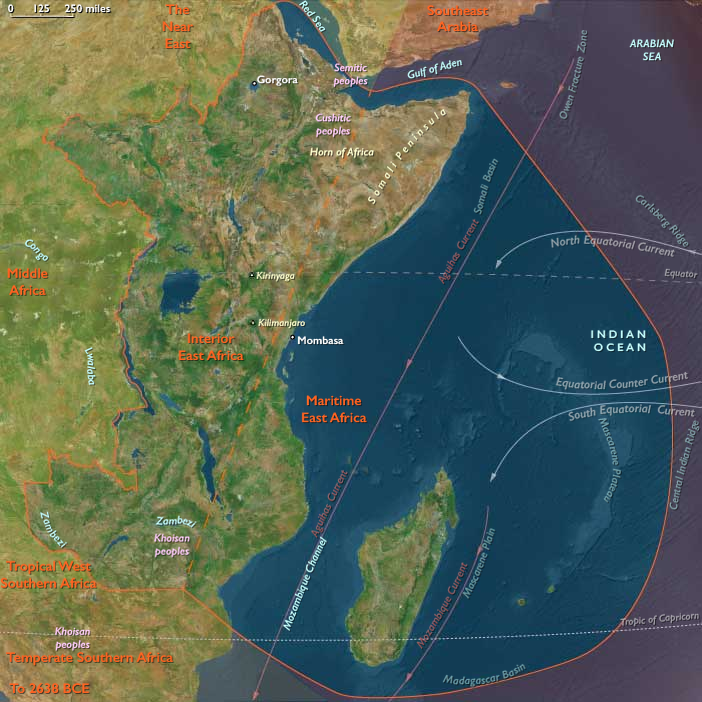
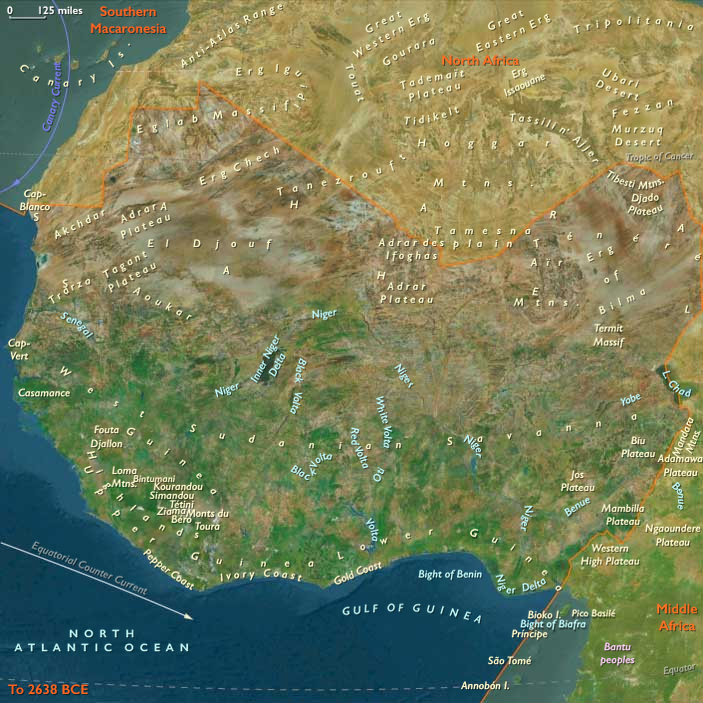
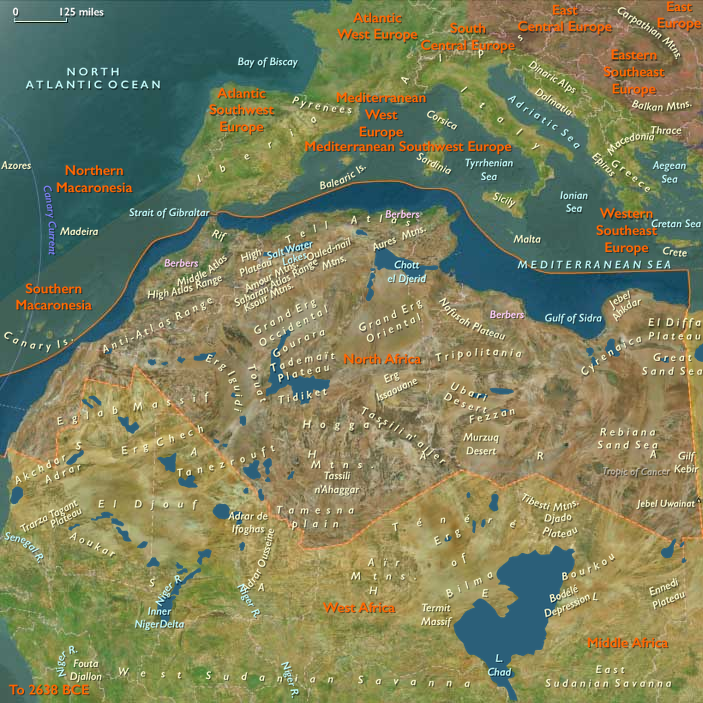
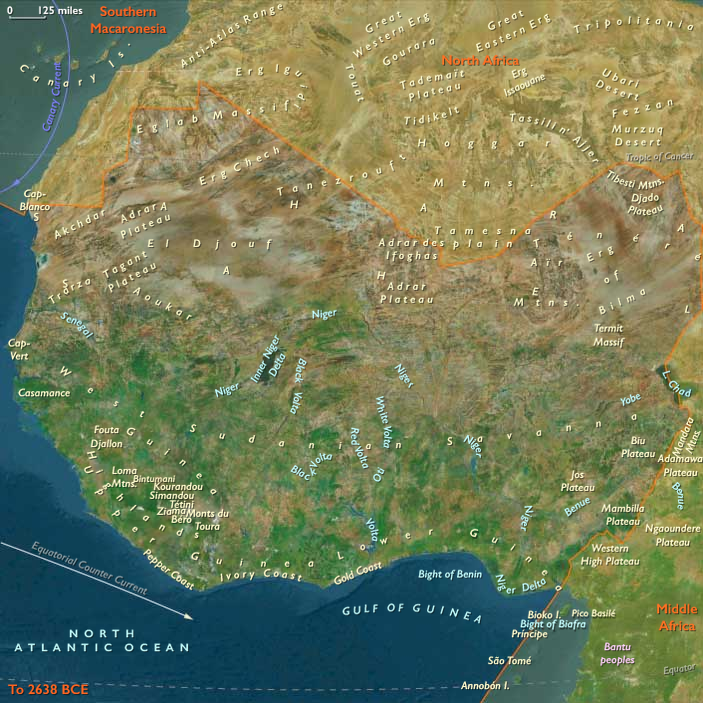
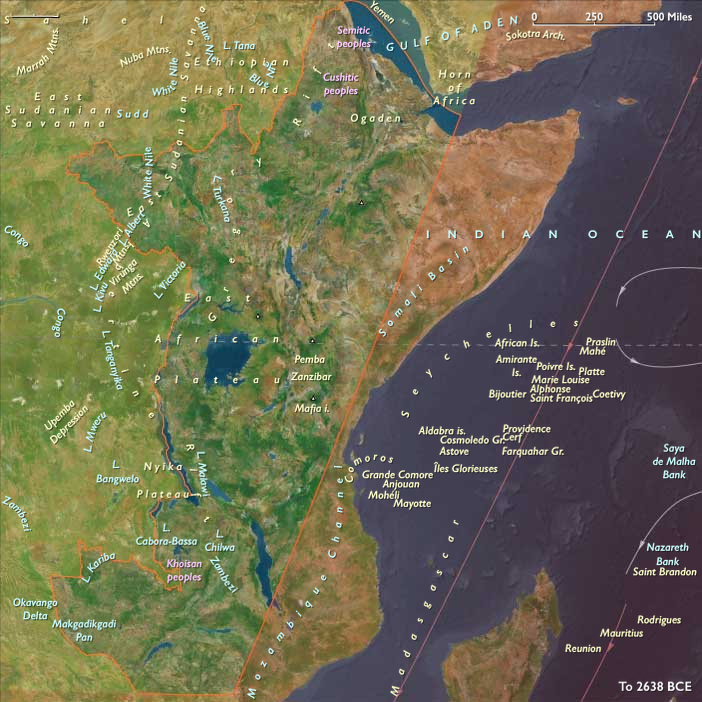
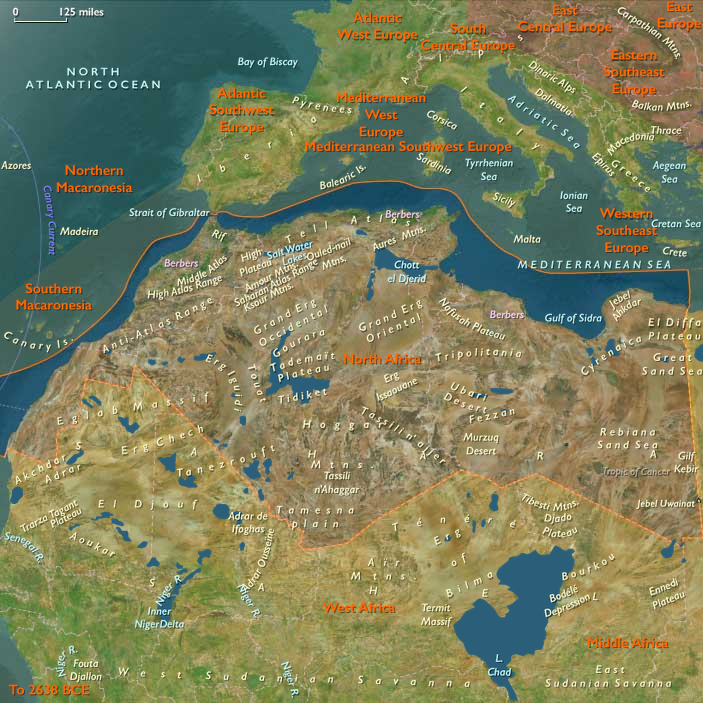
- In Africa, early agricultural systems arose in multiple regions, including the Sahel, the Nile Valley, and Ethiopia, where sorghum and millet were cultivated.
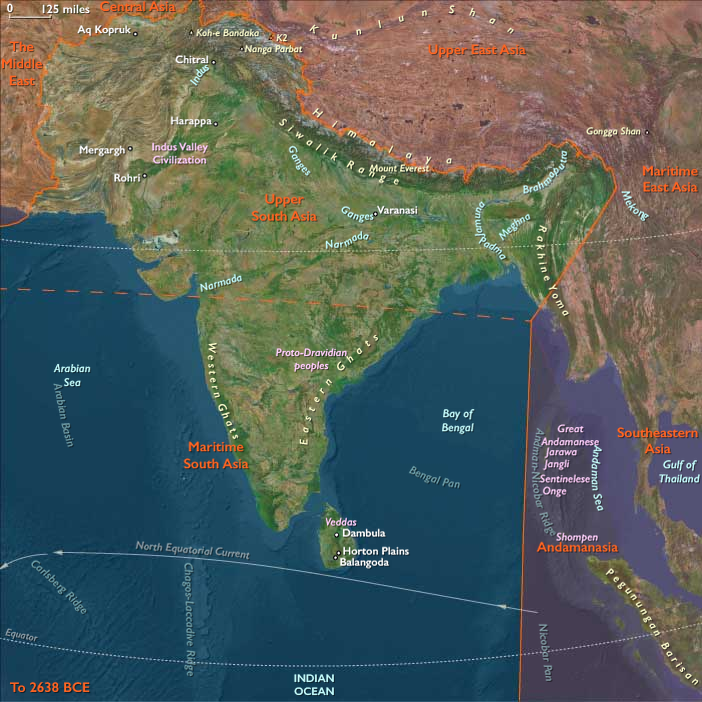
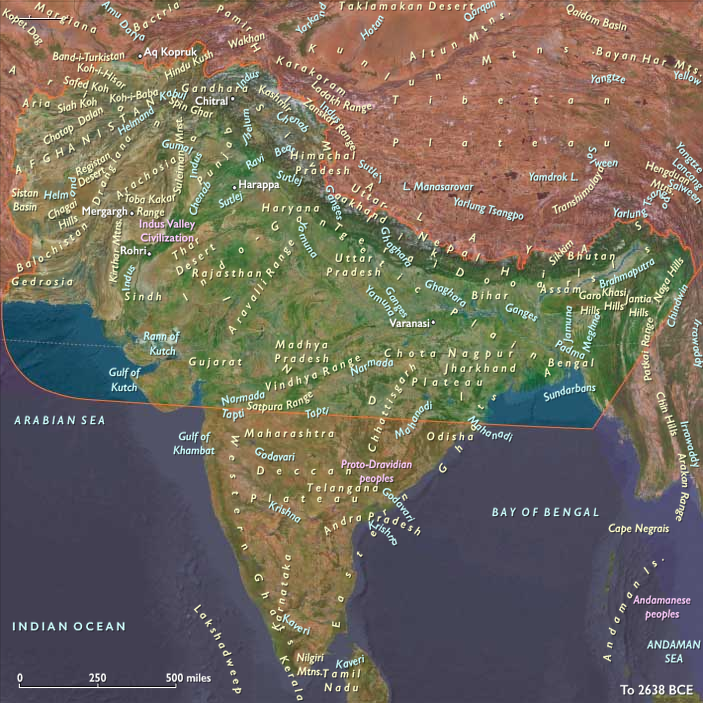
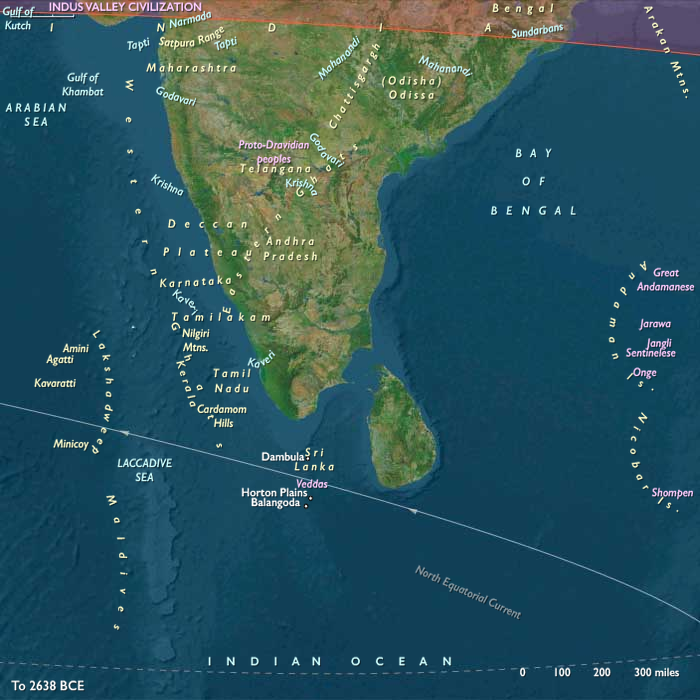
- In South Asia, the Mehrgarh culture (c. 7000 BCE) in present-day Pakistan is one of the earliest known farming communities, practicing wheat and barley cultivation and early forms of cattle domestication.
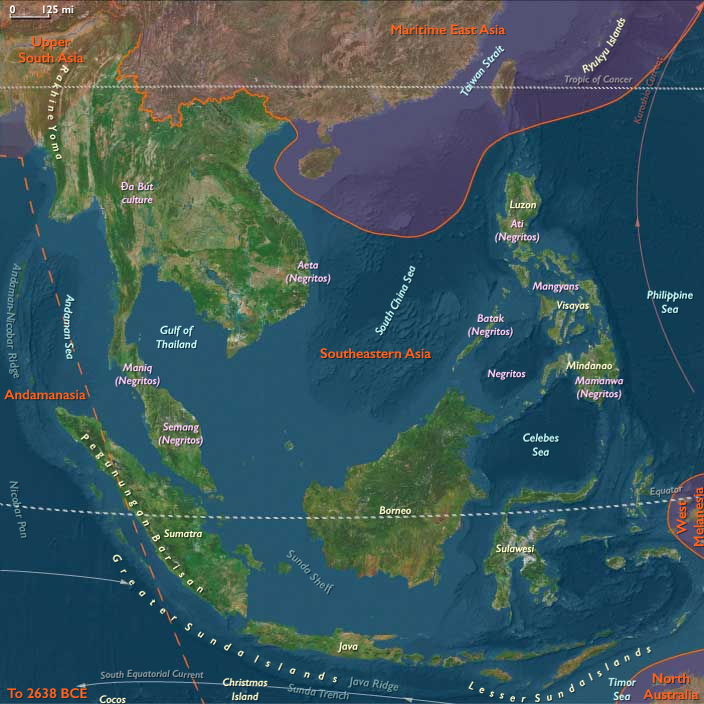
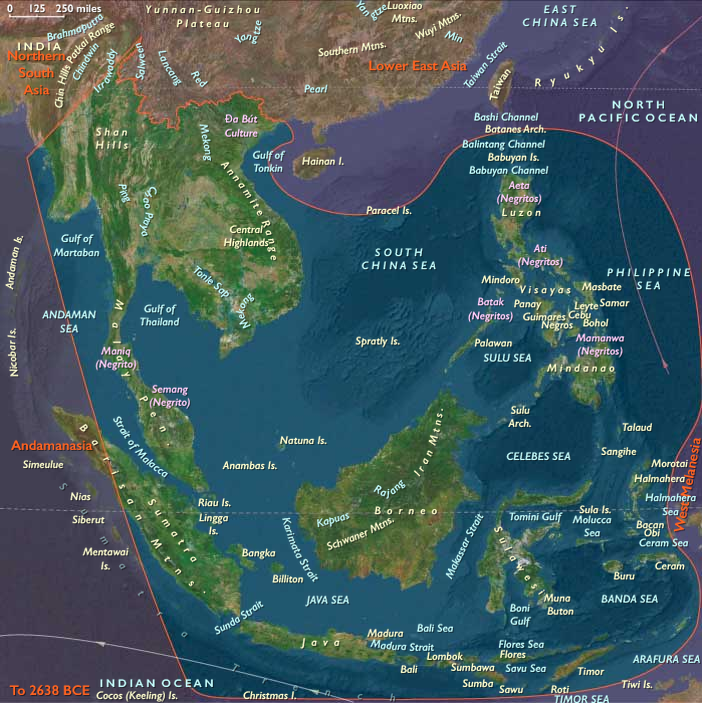
- In Southeast Asia, rice cultivation developed independently, leading to the formation of distinct Neolithic cultures that spread across the region.
Early Pottery Without Agriculture: The Case of Japan
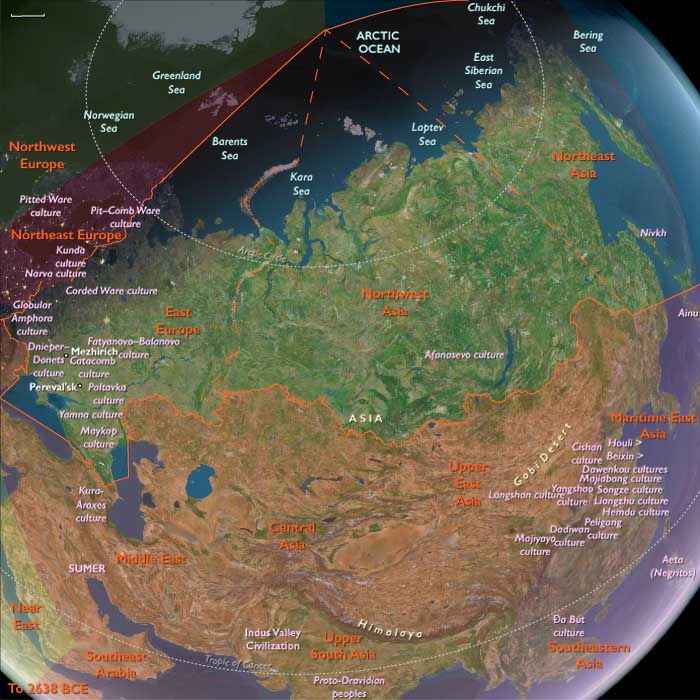
A striking example of cultural variation in Neolithic development is found in Japan, where early societies produced pottery before adopting agriculture. The Jōmon culture (c. 14,000–300 BCE) crafted some of the earliest known ceramics, used primarily for cooking and storage, long before transitioning to farming practices.
Conclusion: A Complex and Varied Neolithic Transition
The Neolithic transition was not a single, uniform process but rather a series of regionally distinct developments. Some societies adopted agriculture before pottery, while others developed ceramic traditions long before farming. Understanding these regional variations provides deeper insight into the diverse pathways that led to the rise of complex societies across the world.
Topics
- Japan, Incipient Jomon period
- Neolithic Revolution
- Boreal Period
- Japan, Initial Jomon period
- Neolithic Subpluvial, or Holocene climatic optimum, or Holocene Wet Phase
- Atlantic Period during the Neolithic Subpluvial
- 8.2 kiloyear event during the Neolithic Subpluvial
Commodoties
Subjects
Regions
- Southeast Asia
- East Asia
- Central Asia
- South Asia
- The Near and Middle East
- West Europe
- North Europe
- Northeastern Eurasia
- East Africa
- West Africa
- North Africa
- Southwest Europe

Subregions
- Southeastern Asia
- Maritime East Asia
- Upper East Asia
- Central Asia
- East Europe
- Northeast Europe
- East Central Europe
- Eastern Southeast Europe
- Middle East
- Upper South Asia
- Maritime South Asia
- Southeast Arabia
- Maritime East Africa
- West Africa
- Interior East Africa
- Near East
- Western Southeast Europe
- South Central Europe
- Mediterranean West Europe
- Mediterranean Southwest Europe
- North Africa
- Atlantic Southwest Europe
- Atlantic West Europe
- West Central Europe
- Northwest Europe


Years: 7821BCE - 6094BCE
Topics
- Japan, Incipient Jomon period
- Neolithic Revolution
- Boreal Period
- Japan, Initial Jomon period
- Neolithic Subpluvial, or Holocene climatic optimum, or Holocene Wet Phase
- Atlantic Period during the Neolithic Subpluvial
- 8.2 kiloyear event during the Neolithic Subpluvial
Commodoties
Subjects
Regions
- Southeast Asia
- East Asia
- Central Asia
- South Asia
- The Near and Middle East
- West Europe
- North Europe
- Northeastern Eurasia
- East Africa
- West Africa
- North Africa
- Southwest Europe
Subregions
- Southeastern Asia
- Maritime East Asia
- Upper East Asia
- Central Asia
- East Europe
- Northeast Europe
- East Central Europe
- Eastern Southeast Europe
- Middle East
- Upper South Asia
- Maritime South Asia
- Southeast Arabia
- Maritime East Africa
- West Africa
- Interior East Africa
- Near East
- Western Southeast Europe
- South Central Europe
- Mediterranean West Europe
- Mediterranean Southwest Europe
- North Africa
- Atlantic Southwest Europe
- Atlantic West Europe
- West Central Europe
- Northwest Europe