
Northwest Europe (1456–1467 CE): Conflicts and Cultural …
Years: 1456 - 1467
Northwest Europe (1456–1467 CE): Conflicts and Cultural Developments
England: Escalating Civil War
The Wars of the Roses intensified significantly, with major battles shaping the political landscape. The Yorkist victory at the Battle of Towton in 1461, the largest and bloodiest encounter of the conflict, led to the deposition of the Lancastrian king Henry VI and the crowning of Edward IV as king. Despite Edward's initial triumph, Lancastrian resistance persisted, leading to ongoing instability. The civil war had resumed in 1459, driven largely by Henry VI's queen, Margaret of Anjou, who inspired renewed conflict. Richard, Duke of York, initially became Protector but was dissuaded from claiming the throne outright. By the end of 1460, Richard was killed in battle, paving the way for Edward IV's proclamation as king in early 1461.
Scotland: Consolidation and Cultural Flourishing
In Scotland, James III (1460–1488) assumed power as a minor following the sudden death of his father, James II, in 1460. A regency council initially governed, with significant influence wielded by powerful nobles. Despite political challenges, James III’s reign witnessed the flourishing of Scottish art and architecture, with increased patronage contributing to cultural advancements and closer diplomatic ties to the European mainland.
Ireland: Gaelic Revival and English Constraints
Ireland continued to experience Gaelic resurgence, limiting English control strictly to The Pale. Prominent Gaelic families such as the Fitzgeralds, O'Briens, and O’Neills expanded their territories and influence, while simultaneously resisting English attempts at consolidation. Irish culture, law, and poetry experienced significant growth, reinforcing traditional Gaelic identity.
Scandinavia: Tensions in the Kalmar Union
The Kalmar Union faced ongoing internal tensions, particularly during the reign of Christian I (1448–1481). Sweden continued to push against Danish domination, and while armed rebellions were sporadic, political discontent persisted. Christian I maintained fragile control over the union through diplomacy and occasional military action, but unity remained tenuous.
Iceland: Literary Preservation
Iceland preserved its unique cultural heritage despite political integration into the Kalmar Union. Icelanders continued to produce and maintain their literary traditions, ensuring the survival of sagas, annals, and poetic forms. These efforts strengthened Icelandic identity, maintaining a vibrant cultural continuity amid broader Nordic political instability.
Cultural and Artistic Evolution
Throughout Northwest Europe, artistic and cultural developments continued to flourish. The English composer John Dunstaple maintained his prominence, influencing musical practices with innovative harmonies. Architectural projects progressed, including the ongoing construction and embellishment of York Minster in the increasingly prevalent Perpendicular Gothic style. Social changes, including new individuals rising to positions of power from various parts of society, also contributed to linguistic evolution in England.
Legacy of the Era
By 1467 CE, Northwest Europe was deeply influenced by intense political rivalries and remarkable cultural growth. England remained embroiled in civil conflict despite Edward IV's reign, Scotland navigated the challenges of minority kingship with cultural advancement, Ireland saw a strengthened Gaelic identity, and Scandinavia continued to grapple with internal divisions. These developments left an enduring imprint on the region, shaping political and cultural trajectories in subsequent decades.
People
- Christian I
- Edward IV of England
- Henry VI
- James II of Scotland
- James III of Scotland
- John Dunstaple
- Margaret of Anjou
- Richard of York
Groups
- Gaels
- Irish people
- Ireland, medieval
- Icelandic Commonwealth, or Icelandic Free State
- Christians, Roman Catholic
- Scotland, Kingdom of
- Kalmar Union (of Denmark, Norway and Sweden)
- England, (Plantagenet, Lancastrian) Kingdom of
- England, (Plantagenet, Yorkist) Kingdom of
Topics
Subjects
Regions
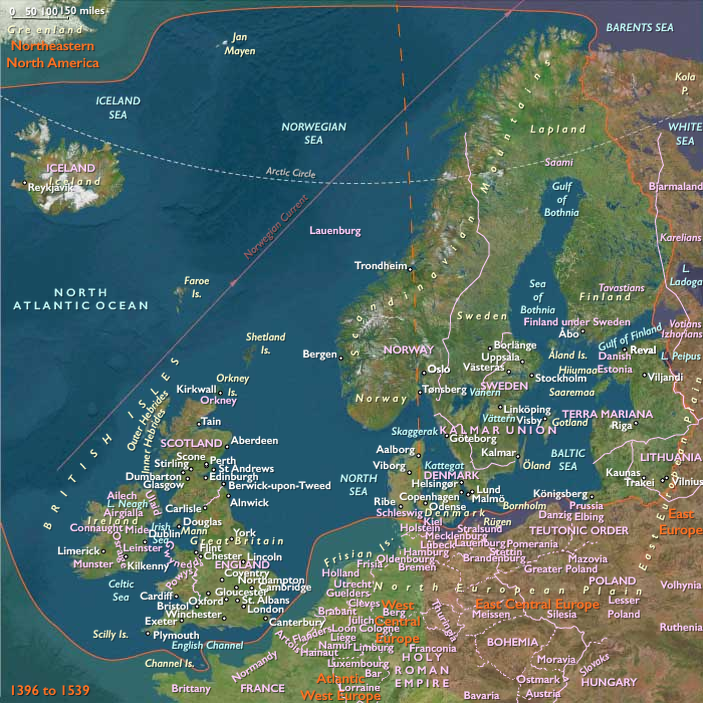
Subregions
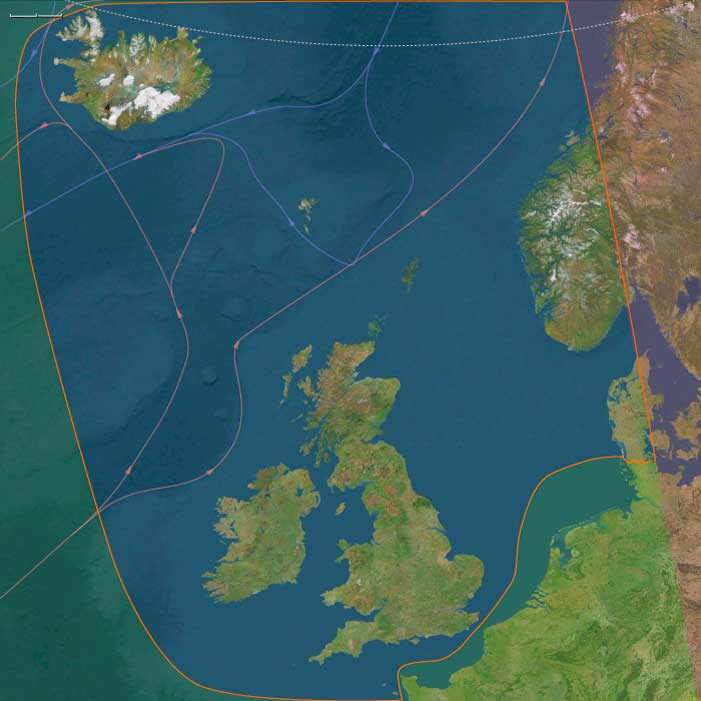
Related Events
Showing 10 events out of 41409 total
Years: 1456 - 1467
People
- Christian I
- Edward IV of England
- Henry VI
- James II of Scotland
- James III of Scotland
- John Dunstaple
- Margaret of Anjou
- Richard of York
Groups
- Gaels
- Irish people
- Ireland, medieval
- Icelandic Commonwealth, or Icelandic Free State
- Christians, Roman Catholic
- Scotland, Kingdom of
- Kalmar Union (of Denmark, Norway and Sweden)
- England, (Plantagenet, Lancastrian) Kingdom of
- England, (Plantagenet, Yorkist) Kingdom of
Topics
Subjects
Regions
Subregions