
Northwest Europe (1252–1263 CE): Authority Challenges and …
Years: 1252 - 1263
Northwest Europe (1252–1263 CE): Authority Challenges and Cultural Expansion
England: Rising Barons and Provisions of Oxford
The reign of Henry III (r. 1216–1272) entered a critical period of intensified conflict. By 1258, frustrations among the baronial class culminated in the Provisions of Oxford, a constitutional reform imposing stringent limitations on royal authority, establishing a council of fifteen barons to oversee governance. Although initially accepted, Henry attempted to regain autonomy, leading to heightened political instability and factionalism. The forces of a number of rebellious English barons led by Simon de Montfort warred against Royalist forces led by Prince Edward (later Edward I of England).
Scotland: Stability and Territorial Ambitions
Alexander III (r. 1249–1286) ascended to the Scottish throne as a minor, prompting a regency period marked by rivalry among Scottish nobles. Despite this, Scotland maintained relative stability and continued consolidating territories. Alexander's reign laid foundations for an era of stability and economic growth, even as intermittent disputes in the Isles persisted.
Ireland: Gaelic Resurgence and Norman Confrontation
In Ireland, Gaelic resistance against Norman encroachments intensified. Significant revolts and increased resistance from powerful Irish clans challenged the Norman feudal lords, particularly in Ulster and Connacht. The clash of cultures and interests persisted, resulting in frequent conflicts and a fragmented political landscape.
Denmark: Continued Internal Strife
Following the death of Eric IV in 1250, Denmark entered a turbulent period marked by civil unrest and succession disputes. His successor, Christopher I (r. 1252–1259), struggled to establish control amid internal rivalries, magnified by ongoing conflicts with the church and noble families, weakening the Danish monarchy's authority.
Norway: Expansion and Maritime Ambitions
Håkon IV Håkonsson (r. 1217–1263) advanced Norway's maritime interests by asserting dominance over Scottish territories, culminating in heightened tensions with Scotland, particularly over the Hebrides and Isle of Man. Diplomatic and cultural exchanges remained robust, enhancing Norway’s international standing even as territorial ambitions led to confrontations.
Iceland: Governance and Cultural Flourishing
Iceland continued thriving culturally under the governance of the Althing, despite growing external influences. Literary traditions remained vibrant, highlighted by the works of chroniclers who documented historical sagas and fostered the preservation and development of Icelandic literature.
Economic Growth and Trade Networks
Trade continued to flourish across Northwest Europe, strengthening urban centers like London, Bergen, Bruges, and Dublin. Commodities such as wool, timber, fish, and spices flowed through these cities, contributing to economic prosperity and fostering cultural exchange and infrastructure development.
The first Cistercian abbey in the north of England, Rievaulx Abbey, founded in 1132, had become one of Yorkshire’s great Cistercian abbeys, second only to Fountains Abbey. The monks built a very profitable business mining lead and iron, rearing sheep, and selling wool to buyers from all over Europe. By the middle of the thirteenth century, the export of wool by the English Cistercians had become a prominent feature in the commerce of the country.
Religious Influence and Scholarly Expansion
The Dominican and Franciscan orders continued their expansion, strengthening educational institutions and promoting scholastic philosophy. Their influence grew significantly, especially within urban communities, shaping both spiritual life and intellectual inquiry throughout the region.
Roger Bacon received much of his university training in Paris, later teaching philosophy at Oxford, where he was influenced by Robert Grosseteste. Grosseteste’s commentaries on and translations of Aristotle significantly shaped scholasticism, despite his fierce conflicts with both Henry III and Pope Innocent IV over church independence.
Legacy of the Era
By 1263 CE, Northwest Europe had navigated a complex decade characterized by political reform, internal strife, and cultural dynamism. England faced unprecedented baronial challenges; Scotland experienced a gradual consolidation of royal authority; Ireland's native resurgence countered Norman influence; Denmark grappled with civil discord; Norway extended its maritime influence; and Iceland’s literary and historical culture continued to flourish. These developments underscored the region’s dynamic evolution and laid critical groundwork for future transformation.
People
- Alexander III of Scotland
- Christopher I of Denmark
- Edward I of England
- Eric IV of Denmark
- Haakon IV of Norway
- Henry III of England
- Pope Innocent IV
- Robert Grosseteste
- Roger Bacon
- Simon de Montfort
- Valdemar II of Denmark
Groups
- Gaels
- Irish people
- Estonia, independent
- Denmark, Kingdom of
- Ireland, medieval
- Flanders, County of
- Alba (Scotland), Scots Kingdom of
- England, (Anglo-Saxon) Kingdom of
- Icelandic Commonwealth, or Icelandic Free State
- Normans
- Norway, independent Kingdom of
- Christians, Roman Catholic
- Cistercians, Order of the (White Friars)
- Franciscans, or Order of St. Francis
- Dominicans, or Order of St. Dominic
- Estonia, Danish
Topics
Commodoties
Subjects
Regions
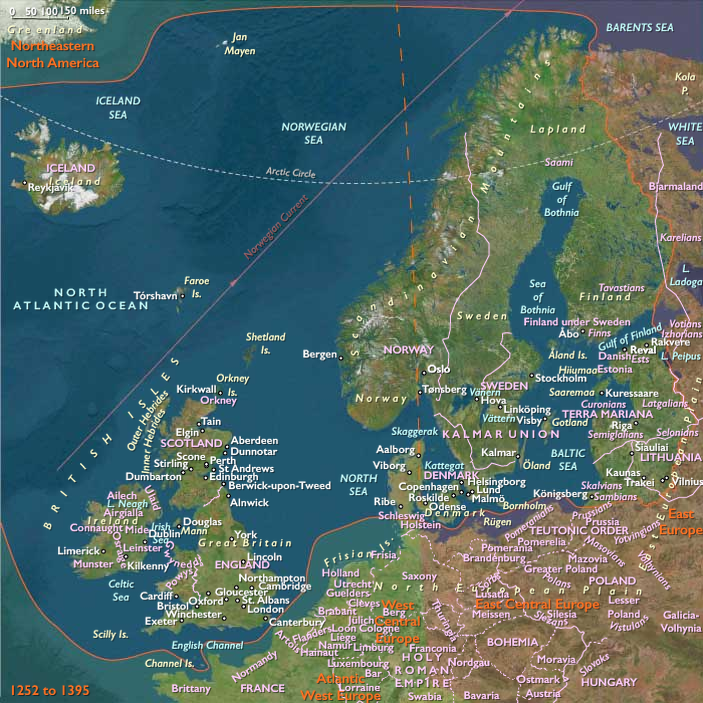
Subregions
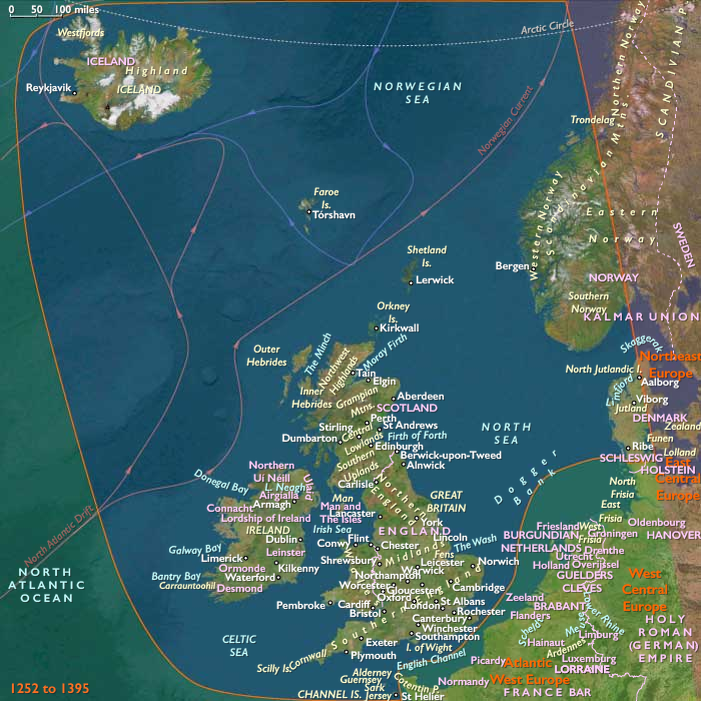
Related Events
Showing 10 events out of 46611 total
Years: 1252 - 1263
People
- Alexander III of Scotland
- Christopher I of Denmark
- Edward I of England
- Eric IV of Denmark
- Haakon IV of Norway
- Henry III of England
- Pope Innocent IV
- Robert Grosseteste
- Roger Bacon
- Simon de Montfort
- Valdemar II of Denmark
Groups
- Gaels
- Irish people
- Estonia, independent
- Denmark, Kingdom of
- Ireland, medieval
- Flanders, County of
- Alba (Scotland), Scots Kingdom of
- England, (Anglo-Saxon) Kingdom of
- Icelandic Commonwealth, or Icelandic Free State
- Normans
- Norway, independent Kingdom of
- Christians, Roman Catholic
- Cistercians, Order of the (White Friars)
- Franciscans, or Order of St. Francis
- Dominicans, or Order of St. Dominic
- Estonia, Danish
Topics
Commodoties
Subjects
Regions
Subregions