
Migrants from Central Asia and the …
Years: 49293BCE - 28558BCE
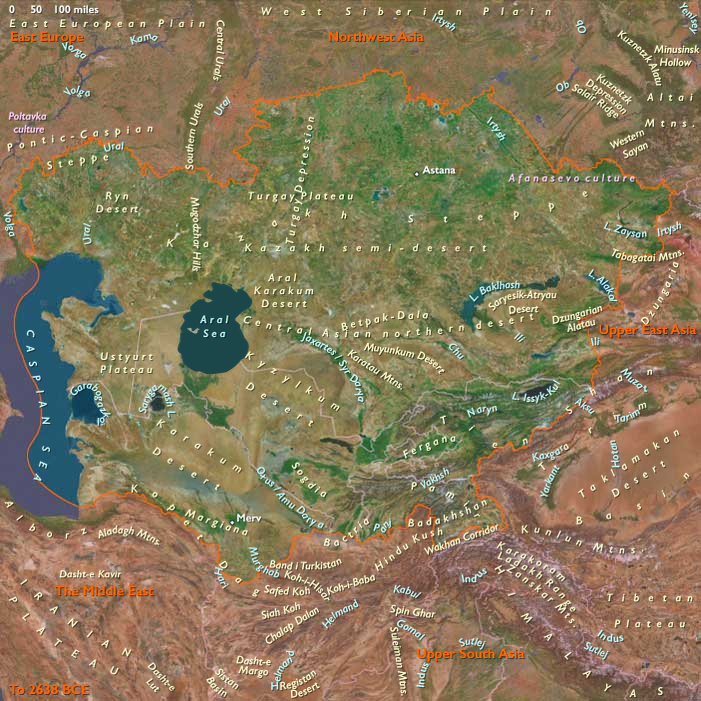
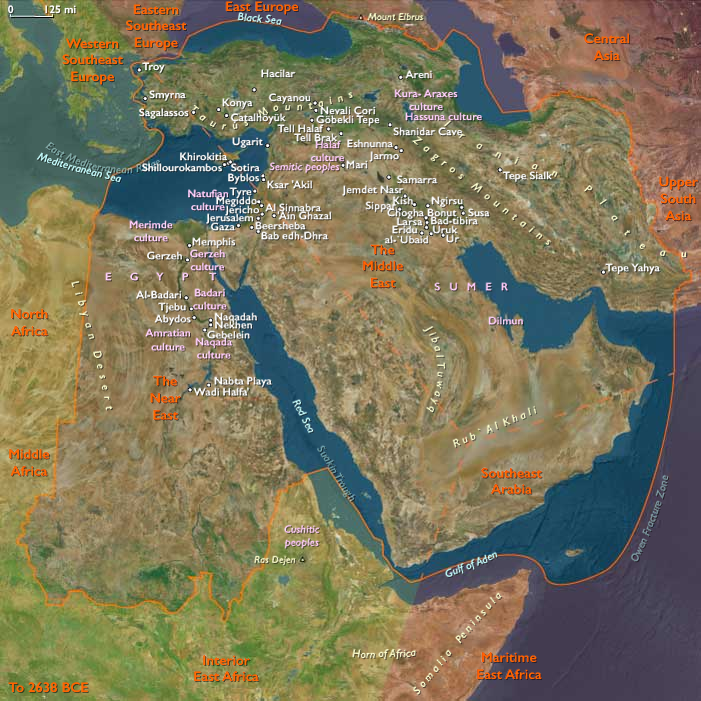
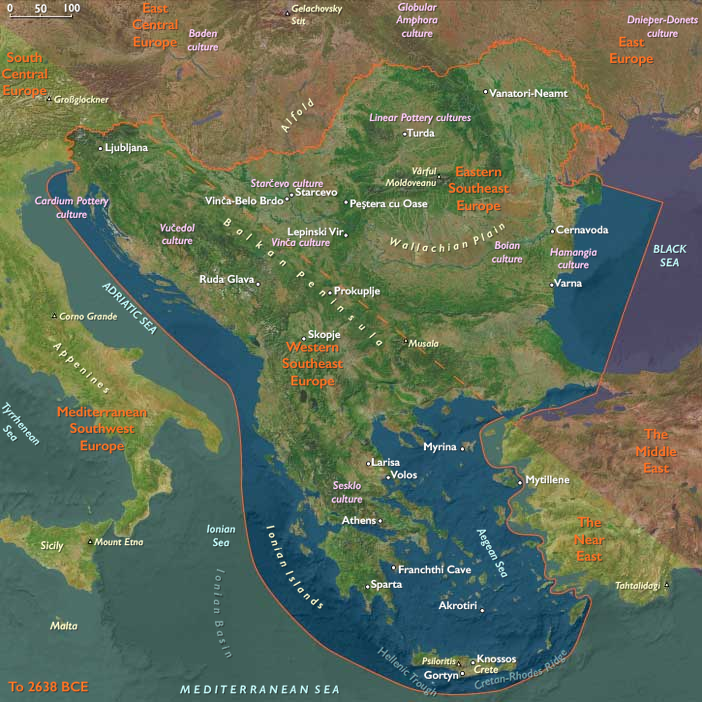
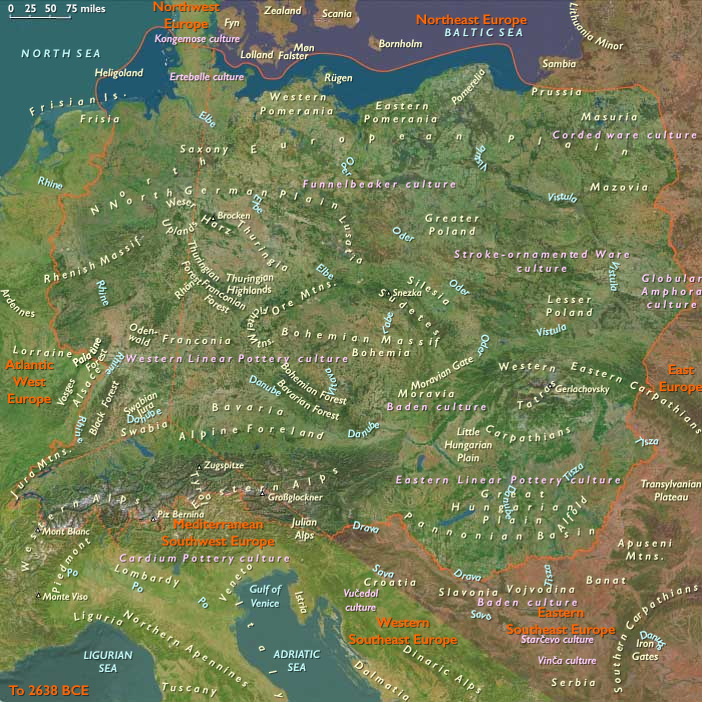
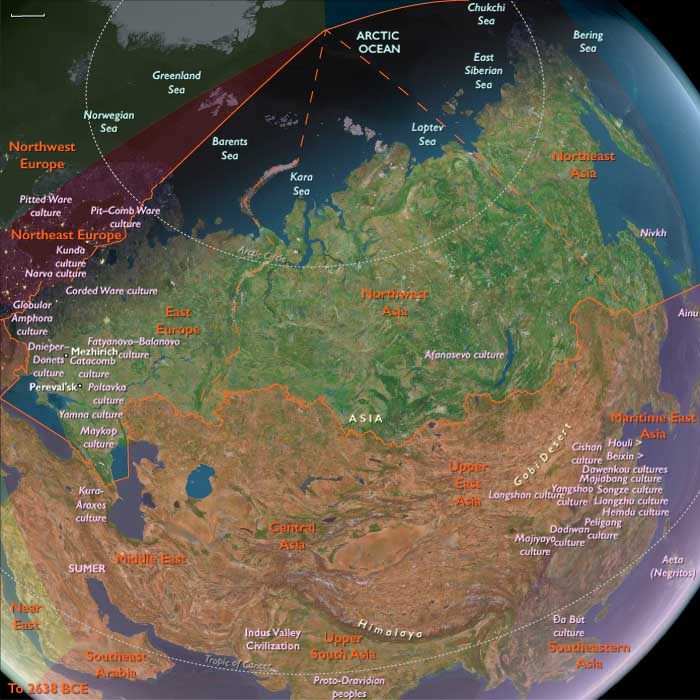
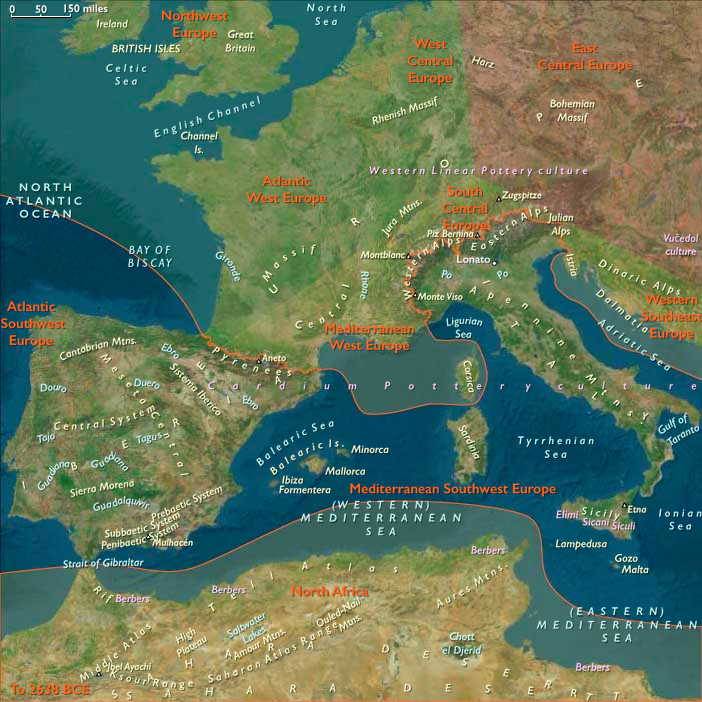
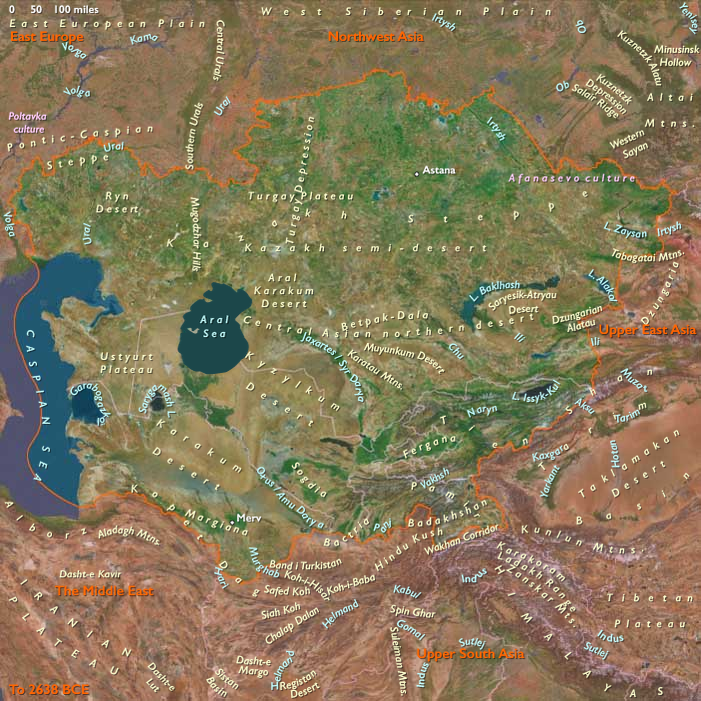
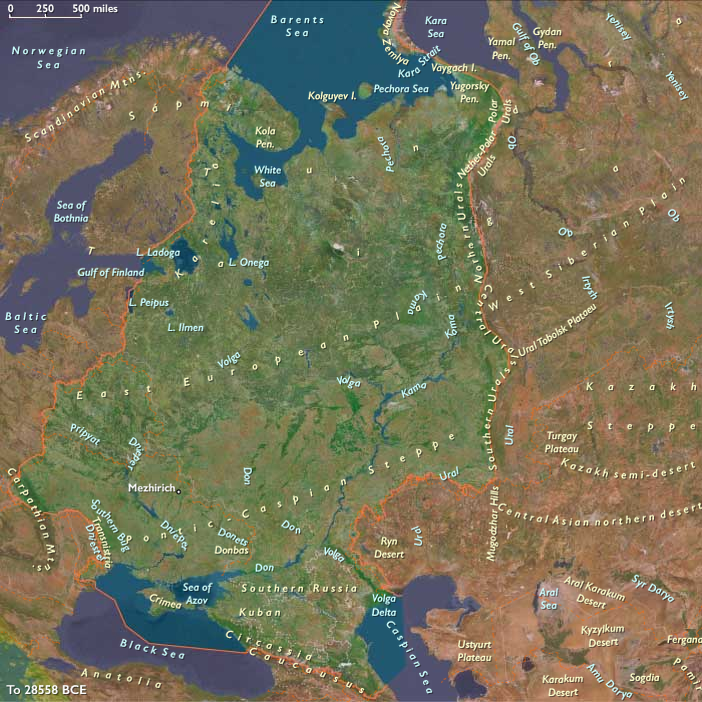
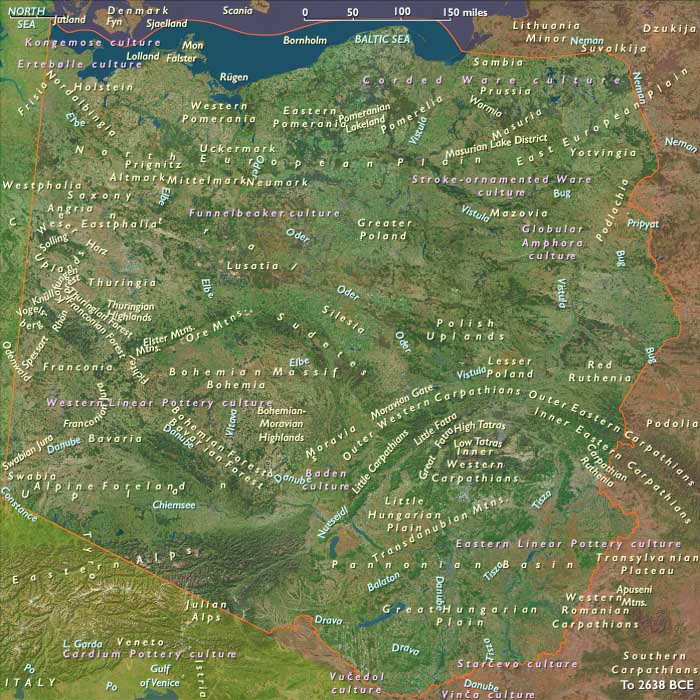
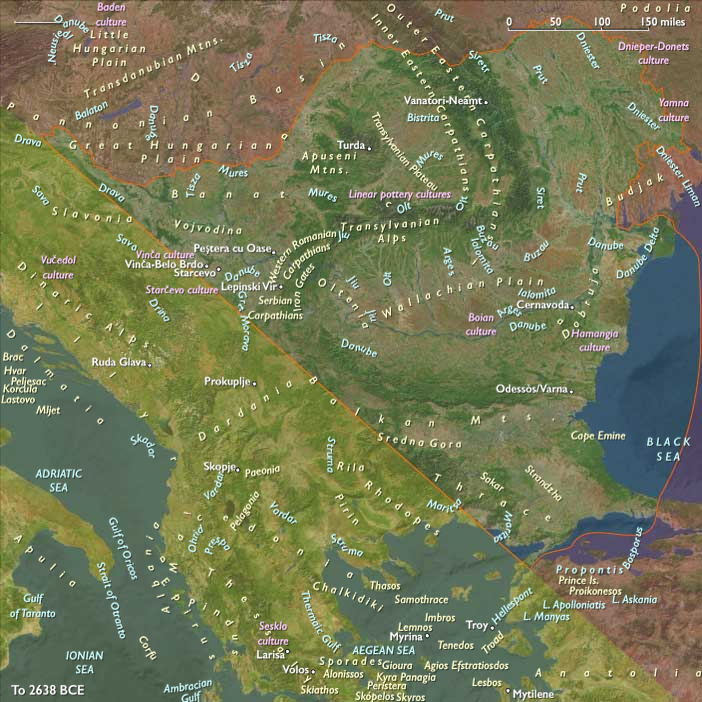
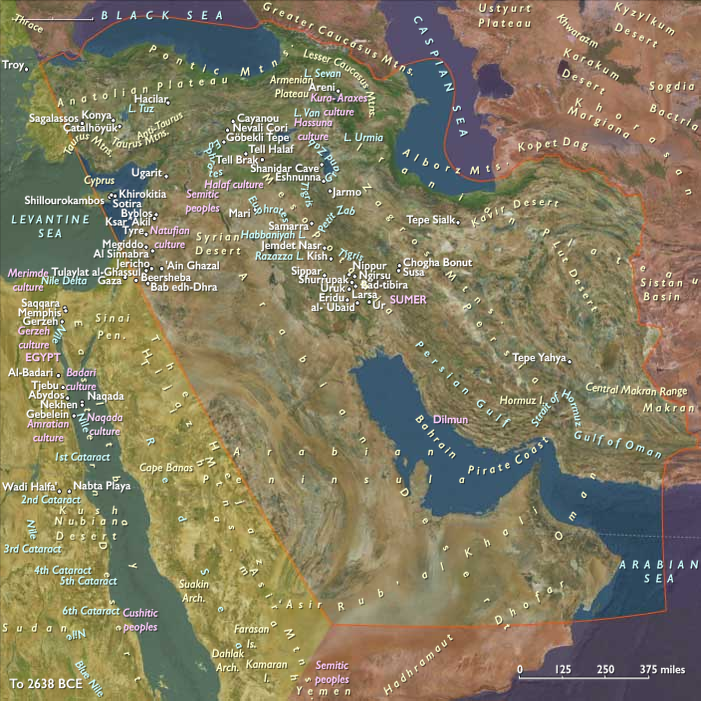
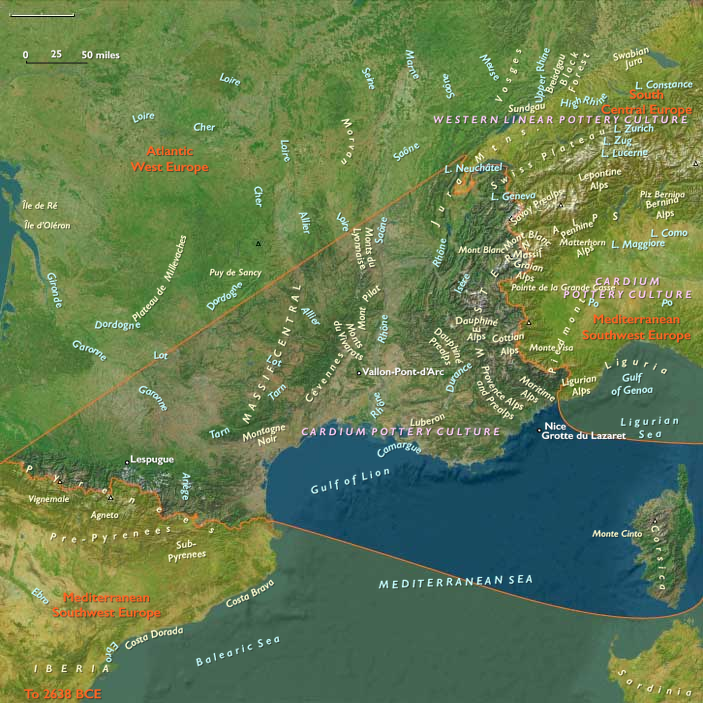
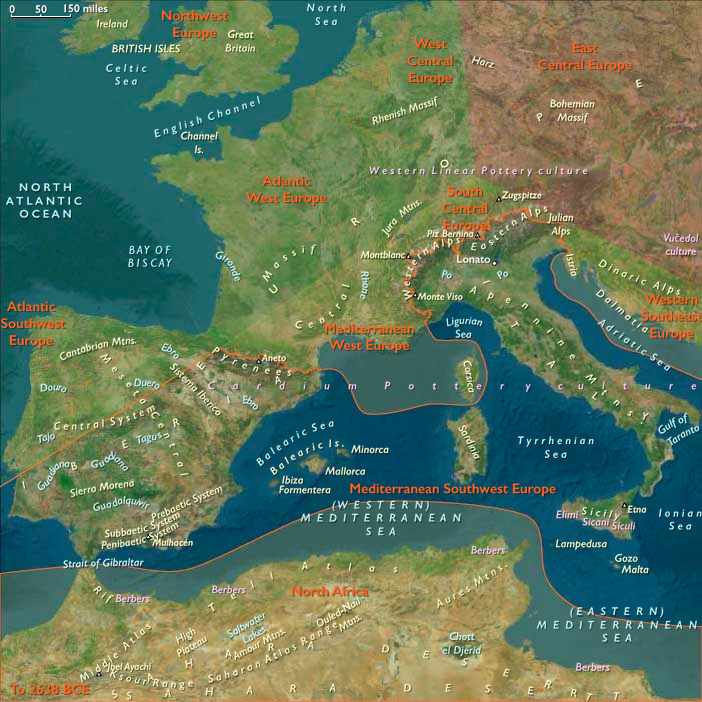
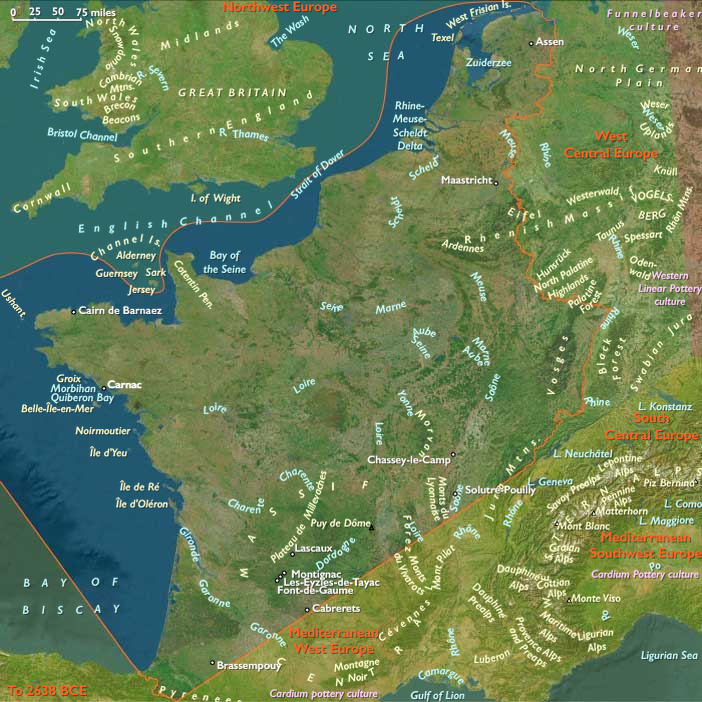
Migrants from Central Asia and the Middle East are believed to have colonized Europe, moving northwestward over time.
By the time anatomically modern humans first enter Europe, Neanderthals are already well-established in the region. The question of whether these two populations interbred remains a subject of ongoing debate.
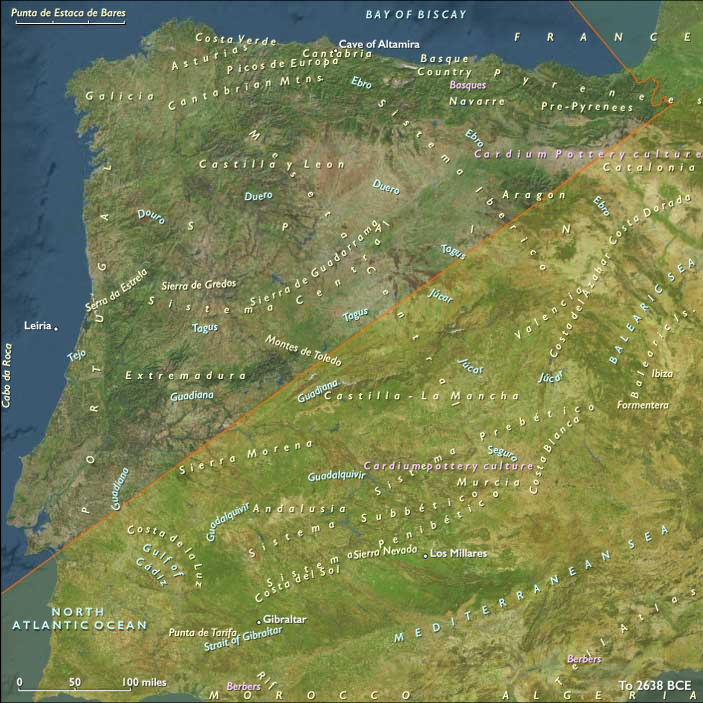
Evidence suggests that modern humans and Neanderthals coexisted in various regions, including the Iberian Peninsula and the Middle East, where interbreeding may have contributed Neanderthal genes to early Paleolithic Europeans and, ultimately, to modern European populations.
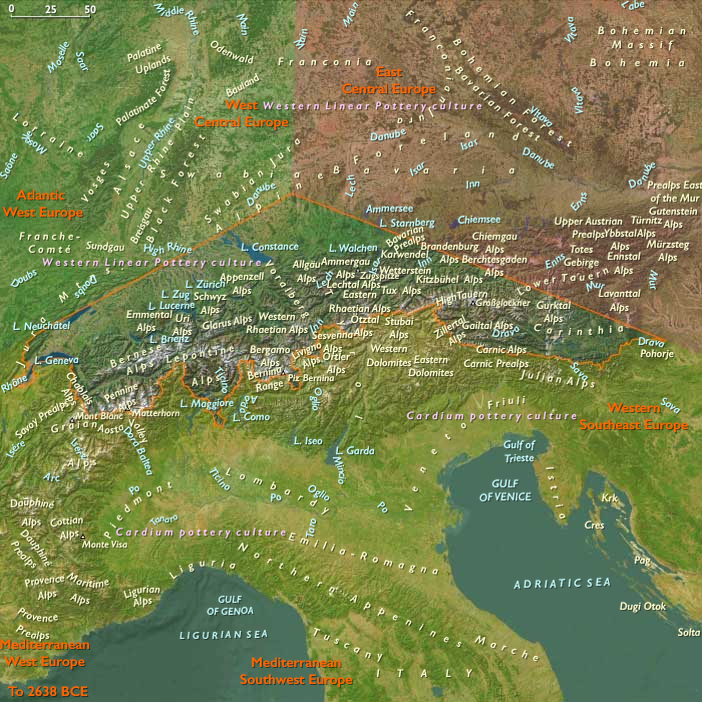
Regardless of whether interbreeding occurred, it is generally believed that early human populations took refuge in hypothetical Ice Age shelters, later repopulating Europe as the glaciers receded—forming the ancestral foundation of present-day European populations.
An alternative theory proposes that modern Europeans primarily descend from Neolithic populations originating in the Middle East, whose migrations into Europe are well documented.
Topics
Subjects
Regions
- Central Asia
- The Near and Middle East
- Southeast Europe
- Central Europe
- Northeastern Eurasia
- Southwest Europe
Subregions
- Central Asia
- East Europe
- East Central Europe
- Eastern Southeast Europe
- Middle East
- South Central Europe
- Mediterranean West Europe
- Mediterranean Southwest Europe
- Atlantic Southwest Europe
- Atlantic West Europe
- West Central Europe
Related Events
Showing 10 events out of 23 total
Years: 49293BCE - 28558BCE
Topics
Subjects
Regions
- Central Asia
- The Near and Middle East
- Southeast Europe
- Central Europe
- Northeastern Eurasia
- Southwest Europe
Subregions
- Central Asia
- East Europe
- East Central Europe
- Eastern Southeast Europe
- Middle East
- South Central Europe
- Mediterranean West Europe
- Mediterranean Southwest Europe
- Atlantic Southwest Europe
- Atlantic West Europe
- West Central Europe