
Upper South Asia (1972–1983 CE): New Nations, …
Years: 1972 - 1983
Upper South Asia (1972–1983 CE): New Nations, Political Turmoil, and Regional Realignments
India: Centralization, Emergency, and Political Realignment
From 1972 to 1983, India experienced significant political upheaval under the leadership of Prime Minister Indira Gandhi. Following the victory over Pakistan in 1971 and the creation of Bangladesh, Gandhi consolidated political power, emphasizing centralized authority and socialist economic policies.
In 1975, facing political opposition and charges of electoral malpractice, Gandhi declared a state of Emergency, suspending democratic rights, censoring the press, and arresting opposition leaders. The Emergency, lasting until 1977, profoundly impacted Indian politics, leaving deep scars on the country’s democratic institutions.
Following public backlash, Gandhi’s Congress Party suffered a significant defeat in the 1977 general elections, ushering in the first non-Congress government under Prime Minister Morarji Desai and the Janata Party coalition. However, the coalition proved unstable, collapsing by 1979, and paving the way for Gandhi’s return to power in 1980, this time with a diminished political base.
Pakistan: Bhutto’s Leadership and Military Coup
In Pakistan, Prime Minister Zulfikar Ali Bhutto (1971–1977) initiated extensive economic and social reforms, nationalizing key industries and promoting Islamic identity to bolster national unity. Despite initial popularity, Bhutto’s increasingly authoritarian methods provoked domestic unrest and accusations of election fraud in 1977, triggering widespread opposition.
Amid escalating political turmoil, General Muhammad Zia-ul-Haq staged a military coup in July 1977, removing Bhutto from power. Bhutto was controversially sentenced to death and executed in 1979, dramatically reshaping Pakistani politics. Zia-ul-Haq introduced strict Islamic laws (Islamization), reinforcing conservative religious norms and sharply altering Pakistan's political and social trajectory. Pakistan’s foreign policy during Zia’s regime moved closer to the United States, especially following the 1979 Soviet invasion of Afghanistan.
Bangladesh: Challenges of Nation-Building
The newly independent Bangladesh faced enormous economic, social, and political challenges. Initially led by Sheikh Mujibur Rahman, the country adopted a parliamentary democracy. However, internal divisions, corruption, famine (notably the devastating 1974 famine), and economic hardships eroded Mujib’s popularity.
In 1975, Sheikh Mujibur Rahman was assassinated in a military coup, plunging the country into political instability and military rule. General Ziaur Rahman (1977–1981) assumed power, initially restoring stability, promoting economic liberalization, and shifting foreign policy toward stronger relations with China, Pakistan, and the Middle East. However, Ziaur Rahman himself was assassinated in another military coup attempt in 1981, highlighting persistent volatility.
Afghanistan: Republic, Soviet Invasion, and Resistance
In Afghanistan, the monarchy was overthrown in 1973 by former Prime Minister Mohammed Daoud Khan, who established the Republic of Afghanistan and promoted modernization. However, Daoud Khan’s rule ended abruptly in 1978 with a Soviet-backed coup (Saur Revolution), bringing the People's Democratic Party of Afghanistan (PDPA) to power under Nur Muhammad Taraki and then Hafizullah Amin.
Amid rapid, controversial socialist reforms and severe repression, widespread resistance emerged. In December 1979, the Soviet Union invaded Afghanistan, assassinating Amin, and installing Babrak Karmal as leader, triggering a prolonged conflict that transformed the country into a Cold War battleground. Resistance movements, notably the mujahideen supported by Pakistan, Saudi Arabia, and the United States, fought fiercely against Soviet and Afghan forces, destabilizing the region profoundly.
Nepal: Panchayat System and Calls for Democracy
In Nepal, the authoritarian Panchayat System remained entrenched under King Birendra Bir Bikram Shah (r. 1972–2001). Despite modest developmental progress and diplomatic balance, political opposition grew, demanding greater democratic freedoms and accountability. The period witnessed increasing internal tension between modernizers advocating political reform and traditional royalists preserving absolute monarchy.
Bhutan: Gradual Modernization and Sovereignty
Bhutan, under King Jigme Singye Wangchuck (r. 1972–2006), pursued careful modernization policies emphasizing the preservation of national sovereignty, culture, and environmental sustainability. In 1974, Bhutan formally opened to international relations by inviting foreign dignitaries to the coronation of the king, symbolizing a cautious expansion of external engagements. Bhutan maintained close but carefully managed relations with India, strengthening its position as an independent Himalayan kingdom.
Regional and Cultural Dynamics
This era saw substantial cultural developments across Northern South Asia. In India, cinema, literature, and music reflected socio-political tensions, notably capturing Emergency-era repression and its aftermath. In Pakistan, literature and arts wrestled with themes of political suppression and social change under Zia’s Islamic laws. Bangladesh experienced a cultural renaissance, emphasizing Bengali identity, language, and liberation narratives. Afghanistan’s cultural scene was dramatically affected by war, with many intellectuals and artists fleeing the country, leading to an Afghan diaspora culture.
Legacy of the Age
The years 1972–1983 reshaped Upper South Asia profoundly. In India and Pakistan, centralization and authoritarian periods tested democratic resilience. Bangladesh struggled toward stability amid violence and coups. Afghanistan descended into war and foreign occupation, fundamentally altering regional geopolitics. Nepal and Bhutan navigated cautiously between tradition and modernity, setting trajectories for future democratic movements. The events and transformations of this era continue influencing the contemporary politics, cultures, and identities of Northern South Asia.
People
- Babrak Kārmal
- Indira Gandhi
- Jigme Singye Wangchuck
- Mahendra of Nepal
- Mohammed Daoud Khan
- Morarji Desai
- Muhammad Zia-ul-Haq
- Nur Muhammad Taraki
- Sheikh Mujibur Rahman
- Ziaur Rahman
- Zulfikar Ali Bhutto
Groups
- Tajik people
- Pashtun people (Pushtuns, Pakhtuns, or Pathans)
- Hazara people
- Bhutan, Kingdom of
- Nepal, Shah Kingdom of
- United States of America (US, USA) (Washington DC)
- Britain (United Kingdom of Great Britain and Ireland)
- India, Late Modern
- Union of Soviet Socialist Republics (USSR), or Soviet Union
- Afghanistan, Kingdom of
- Saudi Arabia, Kingdom of
- Pakistan, Islamic Republic of
- India, Republic of
- Bangladesh
- Afghanistan, (first) Republic of
- Afghanistan, Soviet-occupied
- Hizb-i Wahdat (Hazara militia in Afghanistan)
- Hizb-i Islami (Pashtun militia in Afghanistan)
- Jamiat-i Islam (Tajik militia in Afghanistan)
Topics
- Afghan Military Coup
- Bangladeshi Civil War of 1973-97
- Bangladesh: Famine of 1974
- Pakistani Army Coup
- Saur Revolution, or Afghan Marxist Coup
- Afghanistan, Soviet war in
- Soviet Occupation: Afghanistan
- Amin's Coup: Afghanistan
- Bangladesh, Military Coup in
- Bangladesh, Military Coup in
Subjects
Regions
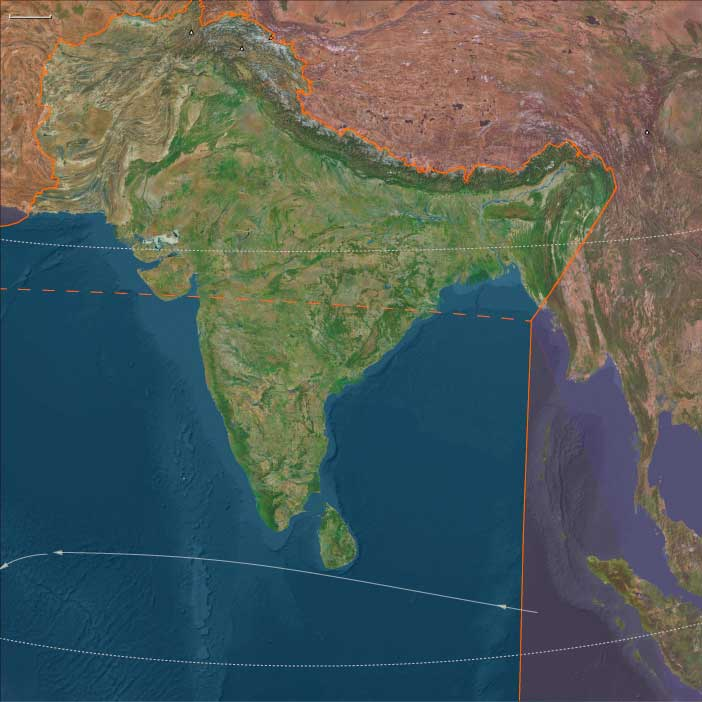
Subregions
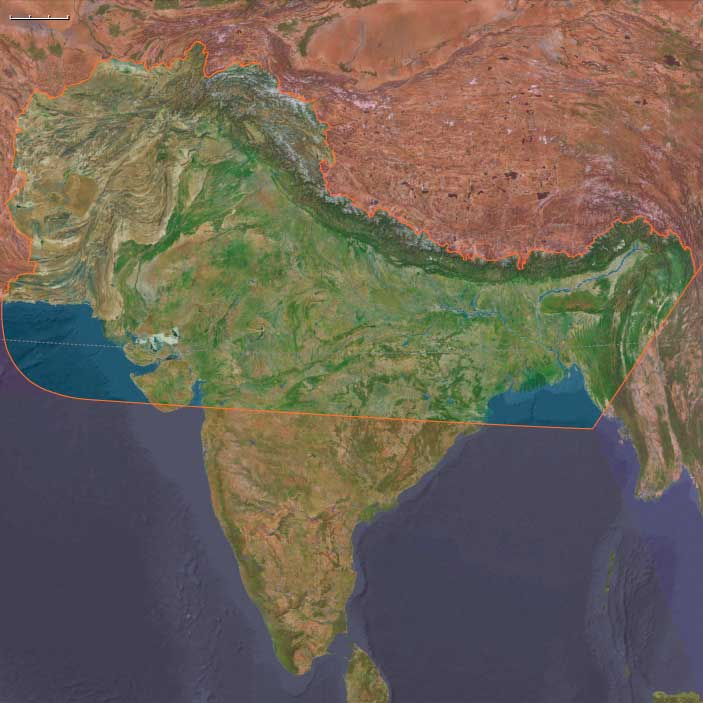
Related Events
Showing 10 events out of 2588 total
Years: 1972 - 1983
People
- Babrak Kārmal
- Indira Gandhi
- Jigme Singye Wangchuck
- Mahendra of Nepal
- Mohammed Daoud Khan
- Morarji Desai
- Muhammad Zia-ul-Haq
- Nur Muhammad Taraki
- Sheikh Mujibur Rahman
- Ziaur Rahman
- Zulfikar Ali Bhutto
Groups
- Tajik people
- Pashtun people (Pushtuns, Pakhtuns, or Pathans)
- Hazara people
- Bhutan, Kingdom of
- Nepal, Shah Kingdom of
- United States of America (US, USA) (Washington DC)
- Britain (United Kingdom of Great Britain and Ireland)
- India, Late Modern
- Union of Soviet Socialist Republics (USSR), or Soviet Union
- Afghanistan, Kingdom of
- Saudi Arabia, Kingdom of
- Pakistan, Islamic Republic of
- India, Republic of
- Bangladesh
- Afghanistan, (first) Republic of
- Afghanistan, Soviet-occupied
- Hizb-i Wahdat (Hazara militia in Afghanistan)
- Hizb-i Islami (Pashtun militia in Afghanistan)
- Jamiat-i Islam (Tajik militia in Afghanistan)
Topics
- Afghan Military Coup
- Bangladeshi Civil War of 1973-97
- Bangladesh: Famine of 1974
- Pakistani Army Coup
- Saur Revolution, or Afghan Marxist Coup
- Afghanistan, Soviet war in
- Soviet Occupation: Afghanistan
- Amin's Coup: Afghanistan
- Bangladesh, Military Coup in
- Bangladesh, Military Coup in
Subjects
Regions
Subregions