
Upper South Asia (1924–1935 CE): Rising Nationalism, …
Years: 1924 - 1935
Upper South Asia (1924–1935 CE): Rising Nationalism, Constitutional Change, and Social Reform
Afghanistan: Amanullah Khan's Ambitious Reforms and the Backlash
Between 1924 and 1935, Afghanistan experienced significant turbulence and political transformation. King Amanullah Khan, inspired by modernization and secularization initiatives of Turkey's Mustafa Kemal Atatürk, accelerated his reform program. He promoted secular education, unveiled women, introduced western-style legal reforms, and encouraged greater economic openness. These efforts were radical and progressive, aiming to transform Afghanistan into a modern state.
However, Amanullah's rapid reforms provoked a fierce backlash from conservative tribal and religious leaders. In 1928–1929, internal rebellions intensified, eventually forcing Amanullah Khan into exile. A brief period of instability ensued under Habibullah Kalakani, also known as Bacha-i-Saqao (Son of the Water-Carrier), whose traditionalist rule lasted only nine months before being overthrown by Mohammed Nadir Shah in 1929.
Nadir Shah, ascending to power in 1929, halted Amanullah’s reforms, restoring conservative and traditionalist rule. His reign (1929–1933) restored stability but was cut short by assassination. He was succeeded by his son, Mohammed Zahir Shah, who began a long but cautious reign, initiating gradual modernization that balanced tribal customs and centralized governance.
British India: Intensifying Nationalist Movements and Civil Disobedience
In British India, nationalist activities intensified significantly during this era. Mahatma Gandhi launched the powerful Salt March (Dandi March) in 1930, openly challenging British monopoly and oppressive taxation on salt. The civil disobedience campaign led to mass arrests, further galvanized public opinion against British rule, and intensified global attention on the Indian struggle for freedom.
Parallel political movements unfolded as the Indian National Congress (INC) expanded its nationwide influence. Leaders like Jawaharlal Nehru, Vallabhbhai Patel, and Subhas Chandra Bose emerged prominently, advocating varying methods of resistance—ranging from nonviolent protest to more militant nationalism.
Simultaneously, the All-India Muslim League, under Muhammad Ali Jinnah, began articulating a distinct political identity for India's Muslims, increasingly stressing their political and cultural interests as separate from the Hindu-majority INC. These debates set the stage for future demands for a separate Muslim state.
Constitutional Development and Reforms: The Government of India Act of 1935
In response to growing nationalist pressure, the British government enacted significant constitutional reforms through the Government of India Act of 1935, the most comprehensive political reform before independence. The act created provincial autonomy with elected ministries responsible for various aspects of governance and introduced limited franchise elections. It also laid groundwork for the federal structure that would later characterize independent India and Pakistan.
Though the Act significantly expanded Indian participation in governance, it was rejected by many nationalist leaders as insufficiently empowering, intensifying demands for complete self-rule (Purna Swaraj).
Regional Politics and Economic Change
In the northwest, particularly the regions of Punjab, Sindh, Balochistan, and the Northwest Frontier Province (NWFP), nationalist sentiments intensified, interwoven with concerns about land rights, rural debt, irrigation policies, and economic hardships exacerbated by global economic depression (1929–1933). Peasant and rural movements grew notably during this period, often intersecting with national-level politics.
In Sindh, the demand for provincial autonomy within the British Indian framework gained momentum, successfully achieving provincial status separated from the Bombay Presidency under the Government of India Act (1935).
Himalayan Kingdoms: Nepal and Bhutan
Nepal, under the autocratic Rana dynasty, continued to maintain isolationist policies, but internal demands for reform slowly surfaced, driven by an educated, urbanizing elite influenced by Indian nationalist movements. The Ranas maintained strong ties with British India, continuing the recruitment of Gorkha soldiers into British colonial forces, a critical element of Nepal’s external relations.
In Bhutan, the period remained politically stable under King Jigme Wangchuck (1926–1952). The kingdom cautiously opened to selective modernization, focusing primarily on internal consolidation, education, infrastructure, and modest diplomatic engagement with neighboring India and Britain.
Cultural Developments and Intellectual Movements
Culturally, Northern South Asia experienced vibrant literary, artistic, and intellectual activity. The era witnessed a resurgence of Urdu, Hindi, Bengali, Punjabi, and Pashto literature, enriched by nationalist, revolutionary, and progressive themes. Figures such as Muhammad Iqbal, who famously articulated the conceptual foundations of a Muslim homeland in his Allahabad Address (1930), deeply influenced intellectual and political currents.
Legacy of the Era
The era from 1924 to 1935 CE fundamentally reshaped Upper South Asia politically, culturally, and socially. Afghanistan’s brief yet intense modernization efforts under Amanullah Khan demonstrated the challenges of rapid social transformation, while the British Indian political landscape saw unprecedented nationalist mobilization through Gandhian movements and constitutional changes. Political identities sharpened, laying critical foundations for the subsequent movements that would lead to independence and partition. The complex dynamics of this era directly shaped the region’s contemporary geopolitical and cultural realities.
People
- Amanullah Khan
- Habibullah Kalakani
- Jawaharlal Nehru
- Jigme Wangchuck
- Mohammad Nadir Shah
- Mohammed Zahir Shah
- Mohandas Karamchand Gandhi
- Muhammad Ali Jinnah
- Muhammad Iqbal
- Mustafa Kemal Atatürk
- Subhas Chandra Bose
- Vallabhbhai Patel
Groups
- Sindhi people
- Indian people
- Baloch people
- Gurkha
- Bhutan, Kingdom of
- Nepal, Shah Kingdom of
- Britain (United Kingdom of Great Britain and Ireland)
- India, Late Modern
- Punjab Province
- Indian National Congress
- All-India Muslim League
- British Raj; India (Indian Empire)
- Afghanistan, Kingdom of
Topics
Commodoties
Subjects
Regions
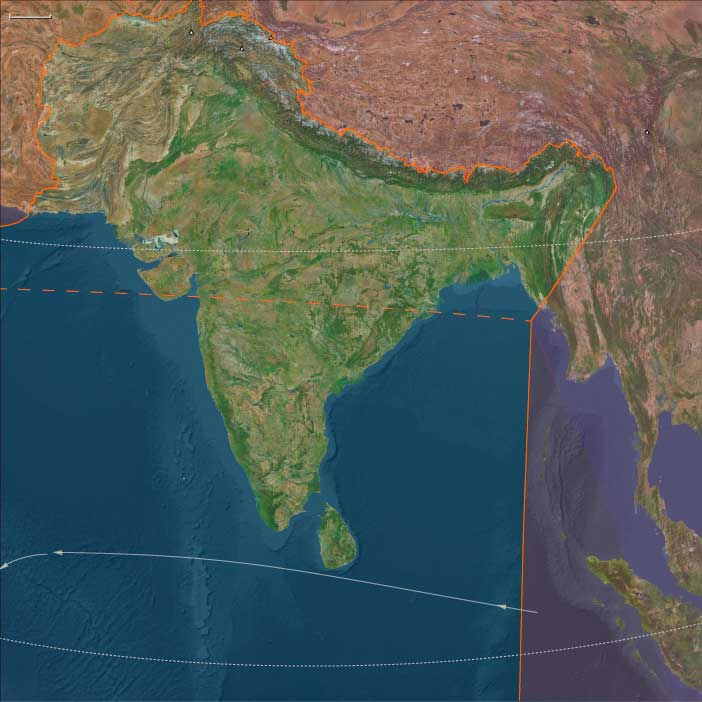
Subregions
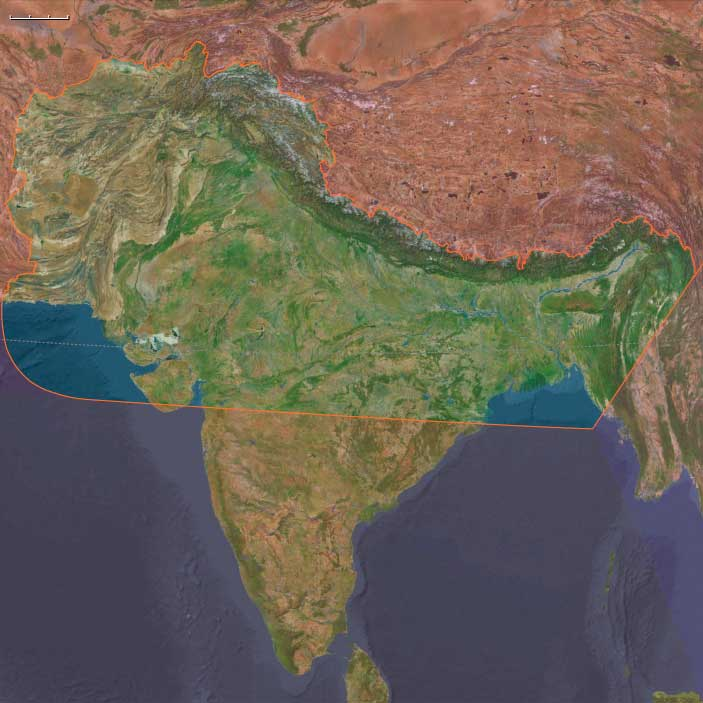
Related Events
Showing 10 events out of 7045 total
Years: 1924 - 1935
People
- Amanullah Khan
- Habibullah Kalakani
- Jawaharlal Nehru
- Jigme Wangchuck
- Mohammad Nadir Shah
- Mohammed Zahir Shah
- Mohandas Karamchand Gandhi
- Muhammad Ali Jinnah
- Muhammad Iqbal
- Mustafa Kemal Atatürk
- Subhas Chandra Bose
- Vallabhbhai Patel
Groups
- Sindhi people
- Indian people
- Baloch people
- Gurkha
- Bhutan, Kingdom of
- Nepal, Shah Kingdom of
- Britain (United Kingdom of Great Britain and Ireland)
- India, Late Modern
- Punjab Province
- Indian National Congress
- All-India Muslim League
- British Raj; India (Indian Empire)
- Afghanistan, Kingdom of
Topics
Commodoties
Subjects
Regions
Subregions