
Northern Macaronesia (7,821 – 6,094 BCE) …
Years: 7821BCE - 6094BCE
Northern Macaronesia (7,821 – 6,094 BCE) Early Holocene — Cloud Forests and Ocean Abundance
Geographic and Environmental Context
Northern Macaronesia includes the Azores, Madeira, Porto Santo, and the Selvagens Islands.
-
The Azores: nine volcanic islands in the mid-North Atlantic (São Miguel, Terceira, Pico, Faial, São Jorge, Graciosa, Flores, Corvo, Santa Maria).
-
Madeira Archipelago: Madeira, Porto Santo, and the uninhabited Desertas.
-
Selvagens: small rocky outcrops south of Madeira.
Anchors: Azores volcanic cones and crater lakes (Furnas, Sete Cidades), Madeira’s laurisilva-clad mountains, Porto Santo’s dunes, and Selvagens’ seabird colonies.
-
Madeira’s laurel forests reached peak extent, fed by fog condensation.
-
Azores covered with mixed forests and crater-lake wetlands.
Climate & Environmental Shifts
-
Atlantic warm, stable rainfall. Trade winds intensified fog drip on mountain slopes.
Subsistence & Settlement
-
Still no human presence. Endemic species thrived — giant pigeons, petrels, lizards, and bats.
Technology & Material Culture
-
N/A.
Movement & Interaction Corridors
-
Ocean currents made accidental drift from Iberia or NW Africa possible, though unlikely this early.
Cultural & Symbolic Expressions
-
None.
Environmental Adaptation & Resilience
-
Ecosystems reached Holocene balance, with laurisilva forests locking in soil and moisture.
Transition
By 6,094 BCE, Northern Macaronesia’s ecosystems were at their most intact.
Topics
Subjects
Regions
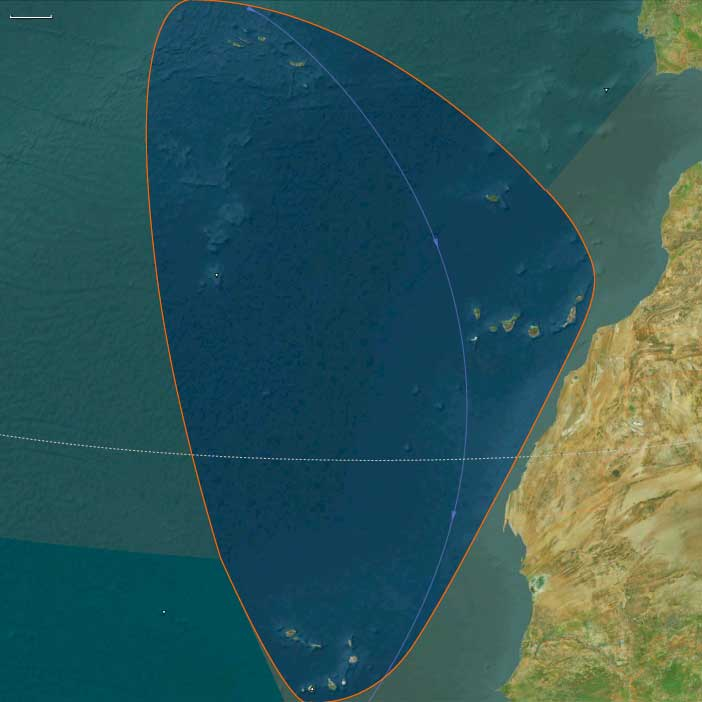
Subregions
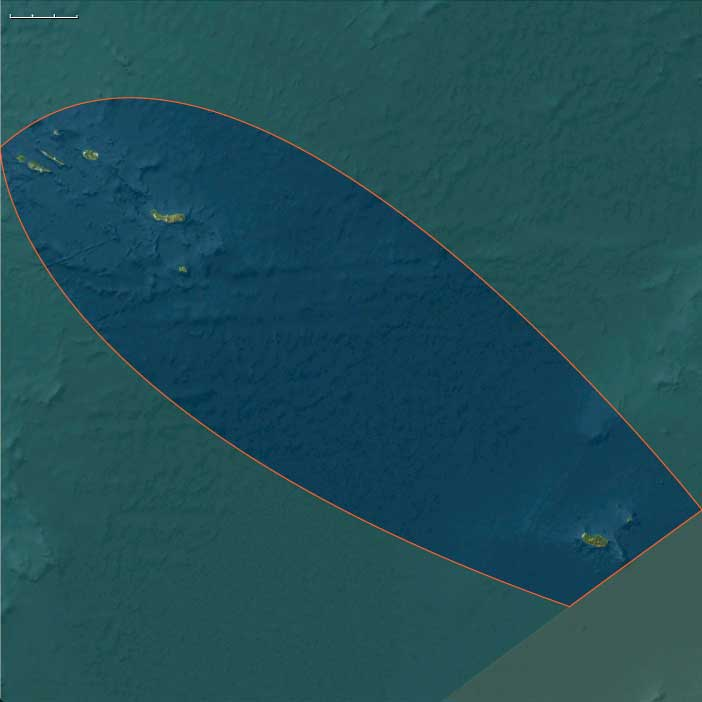
Years: 7821BCE - 6094BCE
Topics
Subjects
Regions
Subregions