
Northeastern North America (1960 to 1971 …
Years: 1960 - 1971
Northeastern North America
(1960 to 1971 CE): Societal Transformation and Geopolitical Turmoil
The era from 1960 to 1971 in Northeastern North America was marked by profound social transformations, significant cultural upheavals, intense political activism, and growing challenges linked to the geopolitical tensions of the ongoing Cold War. The region played a central role in shaping movements that addressed civil rights, gender equality, and environmental concerns, amidst a backdrop of rapid technological innovation and changing global dynamics.
Civil Rights and Social Activism
The civil rights movement reached new heights during this period, profoundly influencing societal norms and policies. Urban centers like New York City, Boston, and Philadelphia became focal points for civil rights activism, protests, and legislative reforms.
The March on Washington
In 1963, many residents from the Northeast participated in the March on Washington, where Dr. Martin Luther King Jr. delivered his historic "I Have a Dream" speech, further galvanizing support for civil rights and racial equality throughout the region.
Feminism and Gender Equality
The feminist movement gained significant traction, with influential activists like Betty Friedan and the publication of her seminal work, The Feminine Mystique in 1963, catalyzing the push for gender equality. Organizations such as the National Organization for Women (NOW), founded in 1966, actively advocated for women's rights, workplace equality, and societal change.
Cultural and Youth Movements
The Northeast became a vibrant epicenter of cultural expression and youth-driven movements, deeply influencing American culture and politics.
Counterculture and Music
The counterculture movement, characterized by anti-war sentiments, new lifestyles, and musical innovation, flourished, especially in cities like New York and Boston. Iconic music festivals such as Woodstock (1969), held in Bethel, New York, epitomized the era's spirit of rebellion, peace advocacy, and communal living.
Student Activism
Universities across the Northeast, including Columbia University, Harvard, and Cornell, witnessed significant student protests against the Vietnam War and advocacy for broader civil rights. These protests reshaped public opinion and influenced policy discussions at a national level.
Technological Innovation and Environmental Awareness
Rapid technological progress coincided with growing environmental concerns, fostering awareness and activism around ecological preservation.
Space Race and Technological Advancements
Institutions across the Northeast played critical roles in the space race and technological innovation. Research institutions and universities were deeply involved in aerospace advancements, computing technologies, and telecommunications, significantly contributing to America's moon landing in 1969.
Environmental Movement
The publication of Rachel Carson's Silent Spring in 1962 ignited widespread environmental awareness, leading to increased activism and the founding of pivotal environmental organizations. The establishment of Earth Day in 1970 reflected the growing importance placed on ecological sustainability within the region.
Geopolitical Tensions and Cold War Dynamics
The region remained central in navigating the complexities and tensions of the Cold War, significantly shaping foreign policy and defense strategies.
Cuban Missile Crisis
The Cuban Missile Crisis (1962) brought intense anxiety to the region, emphasizing its strategic geopolitical significance and leading to increased civil defense preparedness and heightened anti-war activism.
Vietnam War Impact
The prolonged Vietnam War profoundly impacted the region, fueling widespread protests and deeply dividing public opinion. Returning veterans also influenced local politics and social dynamics, as communities grappled with the war's human and moral costs.
Immigration and Demographic Shifts
Immigration continued to diversify the region, particularly with increased arrivals from Asia, Latin America, and the Caribbean, significantly enriching the cultural and economic landscapes of Northeastern North America.
Legacy of the Era (1960–1971 CE)
The era from 1960 to 1971 fundamentally reshaped Northeastern North America, embedding social justice, environmental consciousness, cultural innovation, and political activism into the regional fabric. These transformative years set critical precedents for ongoing movements advocating equity, sustainability, and democratic engagement.
People
Groups
- United States of America (US, USA) (Washington DC)
- Cuba
- Union of Soviet Socialist Republics (USSR), or Soviet Union
- NATO (North Atlantic Treaty Organization)
- National Organization for Women (NOW)
Topics
- Middle Subatlantic Period
- Literature: 1828 to 1972
- Little Ice Age, Warm Phase IV
- Party System, Fifth (United States)
- Cold War
- Vietnam War, or Second Indo-China War
- Cuban Missile Crisis
- March on Washington
- Woodstock
Commodoties
Subjects
- Commerce
- Writing
- Performing Arts
- Labor and Service
- Conflict
- Government
- Scholarship
- Custom and Law
- Finance
- workers' movement
- social movements
Regions
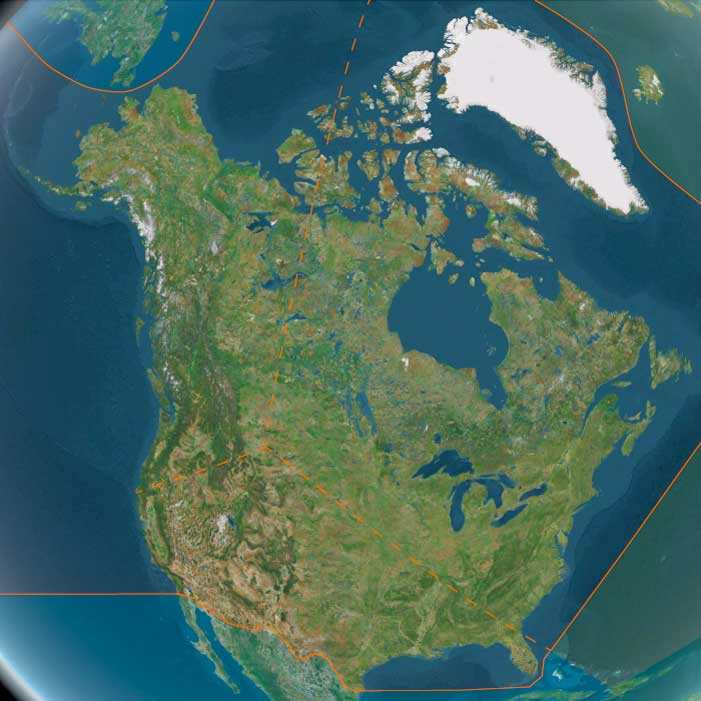
Subregions
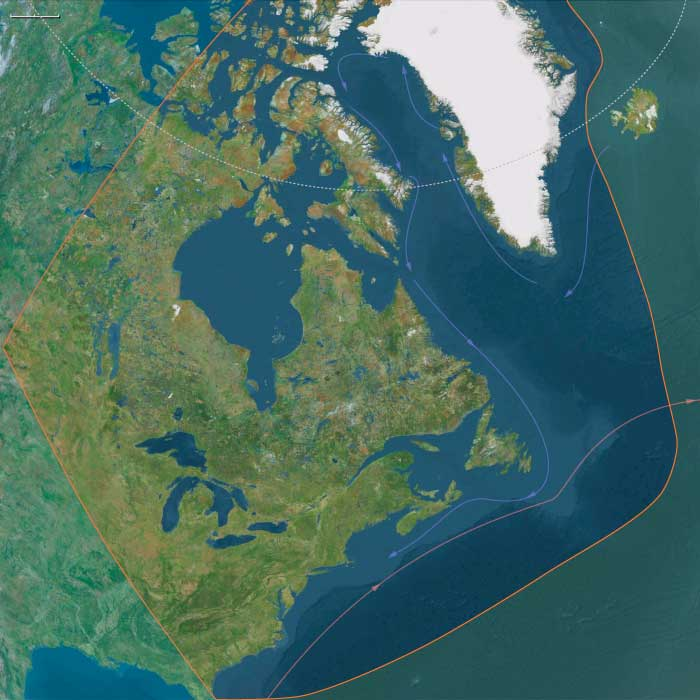
Years: 1960 - 1971
People
Groups
- United States of America (US, USA) (Washington DC)
- Cuba
- Union of Soviet Socialist Republics (USSR), or Soviet Union
- NATO (North Atlantic Treaty Organization)
- National Organization for Women (NOW)
Topics
- Middle Subatlantic Period
- Literature: 1828 to 1972
- Little Ice Age, Warm Phase IV
- Party System, Fifth (United States)
- Cold War
- Vietnam War, or Second Indo-China War
- Cuban Missile Crisis
- March on Washington
- Woodstock
Commodoties
Subjects
- Commerce
- Writing
- Performing Arts
- Labor and Service
- Conflict
- Government
- Scholarship
- Custom and Law
- Finance
- workers' movement
- social movements
Regions
Subregions