
Northeastern North America (1924 to 1935 …
Years: 1924 - 1935
Northeastern North America
(1924 to 1935 CE): Prosperity, Depression, and Cultural Transformation
The era from 1924 to 1935 in Northeastern North America was characterized by a remarkable transition from economic prosperity to devastating economic depression, accompanied by significant social, cultural, and political shifts. This period defined a generation and profoundly shaped the region's future trajectory.
The Roaring Twenties
The mid-to-late 1920s were marked by unprecedented economic growth and cultural dynamism. Post-war recovery and industrial advancement spurred consumerism, with widespread adoption of automobiles, radios, and household appliances transforming daily life. Cities like New York, Boston, and Philadelphia flourished as cultural and economic centers, drawing people into vibrant urban environments.
Cultural Innovations and the Jazz Age
The cultural vibrancy of the 1920s was epitomized by the Jazz Age, with Northeastern cities becoming central hubs for jazz music and entertainment. Harlem in New York City emerged as a focal point of African American culture, continuing to build upon the momentum of the earlier Harlem Renaissance. Artists such as Duke Ellington and writers like F. Scott Fitzgerald became influential cultural figures.
Economic Collapse: The Great Depression
The prosperity of the 1920s abruptly ended with the Wall Street Crash of 1929, plunging the region—and the world—into the Great Depression. Unemployment soared, businesses closed, and millions faced poverty and hardship. Industrial centers in Pennsylvania, New York, and Massachusetts experienced massive job losses, deeply impacting working-class communities.
Social Consequences and Government Responses
The economic turmoil exacerbated social disparities, leading to widespread homelessness and hunger. Breadlines, soup kitchens, and shantytowns, known as "Hoovervilles," became common. The crisis prompted substantial government intervention, first under President Herbert Hoover (1929–1933) with limited success, followed by the sweeping reforms of President Franklin D. Roosevelt's New Deal (1933–1945).
The New Deal and Political Realignment
Roosevelt's New Deal marked a dramatic expansion of federal involvement in the economy and social welfare, introducing programs like the Works Progress Administration (WPA) and the Civilian Conservation Corps (CCC). These initiatives provided crucial employment opportunities and infrastructure improvements across Northeastern North America, leaving a lasting legacy of public projects.
Labor and Social Movements
Labor movements intensified during the Depression, as workers organized for better wages and conditions, exemplified by significant strikes and union activities. Social activism also expanded, with movements addressing civil rights, workers' rights, and social justice gaining momentum amid economic struggles.
Cultural Resilience and Adaptation
Despite the economic hardship, the cultural landscape continued to evolve, adapting to reflect societal realities. Cinema became a popular escape from daily struggles, with movies offering entertainment and a sense of communal experience. Literature and arts tackled social issues directly, providing powerful reflections on the conditions of the era.
Legacy of the Era (1924–1935 CE)
The years 1924 to 1935 were a period of profound contrasts, from booming prosperity to crippling depression. This transformative era reshaped economic policies, deepened political engagement, and fostered cultural resilience, laying foundations for modern Northeastern North America and significantly influencing subsequent generations.
People
Groups
- United States of America (US, USA) (Washington DC)
- Civilian Conservation Corps (CCC)
- Works Progress Administration
Topics
- Middle Subatlantic Period
- Literature: 1828 to 1972
- Little Ice Age, Warm Phase IV
- Party System, Fourth (United States)
- Harlem Renaissance
- Prohibition in the United States
- Depression, Great
- Wall Street crash of 1929
- Party System, Fifth (United States)
Commodoties
Subjects
- Commerce
- Writing
- Performing Arts
- Labor and Service
- Government
- Custom and Law
- workers' movement
- social movements
Regions
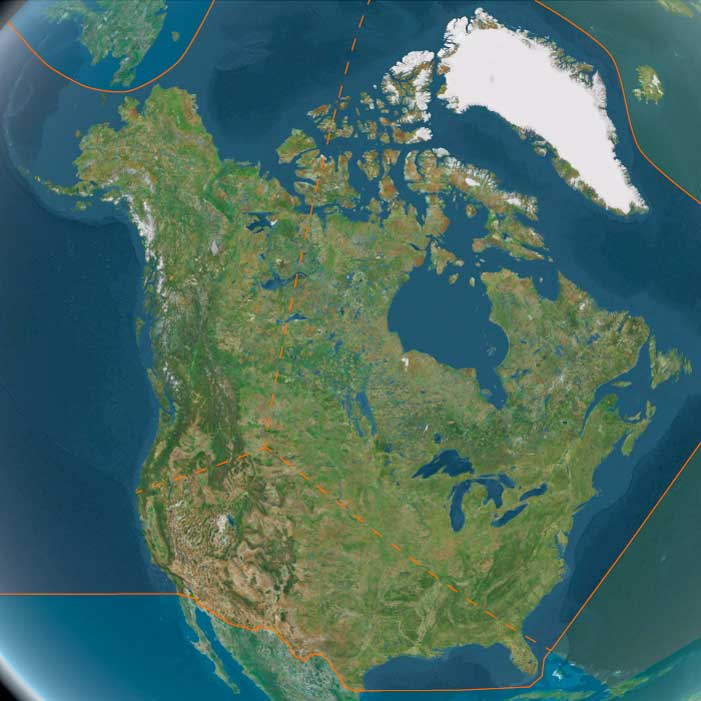
Subregions
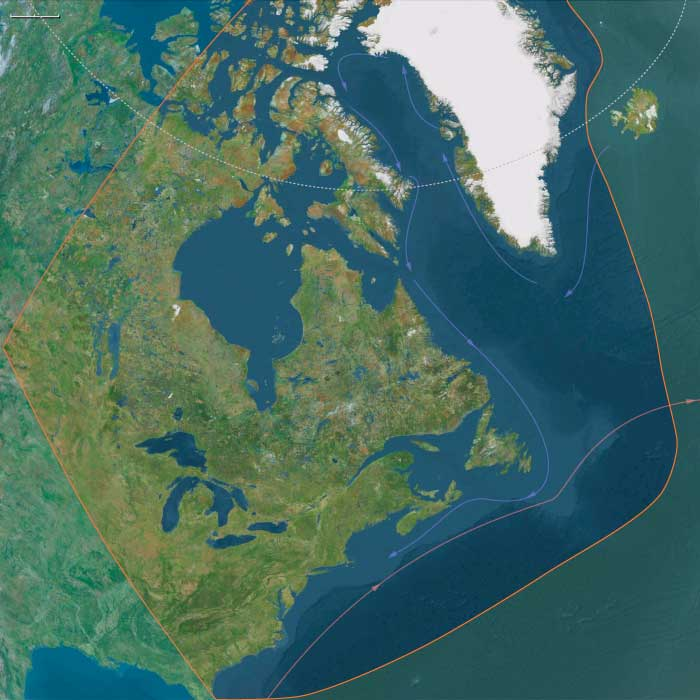
Related Events
Showing 10 events out of 7045 total
Years: 1924 - 1935
People
Groups
- United States of America (US, USA) (Washington DC)
- Civilian Conservation Corps (CCC)
- Works Progress Administration
Topics
- Middle Subatlantic Period
- Literature: 1828 to 1972
- Little Ice Age, Warm Phase IV
- Party System, Fourth (United States)
- Harlem Renaissance
- Prohibition in the United States
- Depression, Great
- Wall Street crash of 1929
- Party System, Fifth (United States)
Commodoties
Subjects
- Commerce
- Writing
- Performing Arts
- Labor and Service
- Government
- Custom and Law
- workers' movement
- social movements
Regions
Subregions