
Northeastern North America (1756 to 1767 …
Years: 1756 - 1767
Northeastern North America
(1756 to 1767 CE): French and Indian War, Colonial Expansion, and Frontier Struggles
The period from 1756 to 1767 marked a critical turning point for Northeastern North America, dominated by the French and Indian War—the North American theater of the global Seven Years' War. The conflict, intertwined with complex Native alliances, British imperial policies, vigorous frontier settlement, and economic shifts, fundamentally redefined territorial control, colonial expansion, indigenous relationships, and economic activities across the region.
The French and Indian War (1754–1763)
European Rivalries and Native Alliances
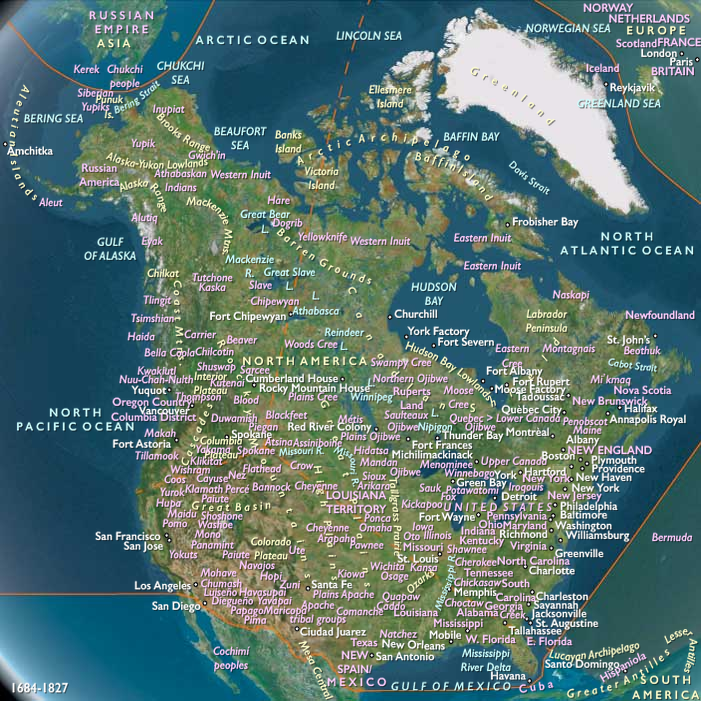
The French and Indian War stemmed from imperial competition between Britain and France, manifesting as widespread colonial conflicts across North America. France, constrained by a small colonial population, compensated by securing alliances with numerous native peoples, recruiting indigenous warriors to offset their numerical disadvantage.
The Seven Nations of Canada, indigenous peoples of the Laurentian Valley—including the Algonquin, Abenaki, and Huron (Wyandot)—allied closely with the French. Motivated largely by historical grievances against the dominant Iroquois Confederacy (comprising the Seneca, Mohawk, Oneida, Onondaga, Cayuga, and Tuscarora), who supported the British, these alliances deepened regional animosities and prolonged frontier conflicts.
Though aligned with Britain, the Iroquois themselves played a relatively limited military role in this war, acting primarily as a defensive bulwark against French and Algonquin incursions.
British Military Successes and Geopolitical Changes
Initially suffering setbacks, British fortunes reversed dramatically by the late 1750s under the decisive leadership of William Pitt the Elder. In 1758, British forces recaptured the crucial fortress of Louisbourg, regaining dominance in the North Atlantic. In 1759, the pivotal Battle of Quebec (Plains of Abraham) resulted in the capture of Quebec City, effectively sealing French defeat in North America.
In 1760, British forces occupied Montreal, ending major French resistance. The global Seven Years' War concluded officially with the Treaty of Paris (1763):
-
France ceded nearly all its North American territories east of the Mississippi River, including Canada, to Britain.
-
France transferred lands west of the Mississippi, along with New Orleans, to Spain.
-
Spain ceded Florida to Britain in exchange.
Thus, the geopolitical landscape shifted dramatically, with Britain emerging as the unrivaled North American colonial power.
Indigenous Resistance and the Royal Proclamation of 1763
Pontiac’s War (1763–1766)
Immediately following the war, indigenous peoples fiercely resisted British domination. Pontiac’s War, named for the Ottawa Chief Pontiac, unified numerous tribes of the Great Lakes and Ohio Valley in concerted attacks against British forts and settlements, seeking to halt aggressive colonial expansion.
Although ultimately suppressed, Pontiac’s campaign demonstrated significant indigenous resistance and profoundly influenced British colonial policy.
Royal Proclamation of 1763 and Frontier Policy
Responding directly to Pontiac’s rebellion, Britain issued the Royal Proclamation of 1763, prohibiting further colonial settlement west of the Appalachian Mountains. This proclamation curtailed western colonial expansion, angering settlers and speculators like George Washington, a Virginian surveyor and militia officer heavily invested in lands in western Pennsylvania and what is now West Virginia.
Frontier Expansion and Settlement Patterns
Persistent Western Migration
Despite British attempts to halt settlement, American colonists aggressively continued westward expansion into territories beyond the Appalachian Mountains, especially into regions such as western Pennsylvania, present-day West Virginia, the Ohio Country, Kentucky, and Tennessee.
Notably, the iconic frontiersman Daniel Boone led settlers through the Cumberland Gap into Kentucky and Tennessee, symbolizing America's westward migration despite British restrictions.
Settlements in the Ohio Valley and Pennsylvania Frontier
Prominent colonial figures such as George Washington actively promoted frontier settlements. Washington, having acquired significant landholdings through surveying and military service, encouraged settlement into western regions of present-day Pennsylvania and West Virginia, fueling land speculation and territorial disputes.
Spanish Florida and Isleño Settlers
Between 1757 and 1759, Spain introduced settlers from the Canary Islands (the Isleños) into Florida, sending about 154 colonists. However, after Florida's transfer to Britain in 1763, most Isleño settlers emigrated to Cuba, further reshaping the demographic landscape of the region.
Economic Transformations and Deerskin Trade
Height of the Deerskin Trade
By the mid-eighteenth century, the deerskin trade became a cornerstone of regional economies, particularly in the Southeast. Between 1739 and 1761, approximately 500,000 to 1,250,000 deer were killed, with Charleston alone exporting 5,239,350 pounds of deer skins during this era.
These deerskins became essential raw materials in the production of fashionable buckskin pantaloons, gloves, and leather bookbindings, making deerskin trade a lucrative colonial enterprise but severely impacting regional wildlife and indigenous subsistence hunting.
Cultural and Social Developments
The Legacy of the Great Awakening
The evangelical fervor of the Great Awakening continued influencing colonial attitudes toward individual liberty, religious diversity, and resistance to authoritarian control. This movement fostered increased political awareness and resistance to British authority.
Urban Growth and Cultural Institutions
Urban centers like Charleston, New York, Boston, and Philadelphia thrived economically and culturally. Charleston, in particular, became culturally sophisticated, with institutions such as the Charleston Library Society (founded 1748) and America’s first permanent theater (1736) contributing significantly to its elite social milieu.
Plains Indigenous Adaptations and Conflicts
Intensified Horse Culture and Tribal Warfare
From about 1740 onward, the introduction of horses profoundly transformed northern Plains societies. Tribes such as the Crow, Hidatsa, and Shoshone became expert horse breeders and traders, significantly expanding their economic and military capabilities.
Intertribal competition intensified, as horse-poor groups—including the Blackfoot Confederacy, Assiniboine, Gros Ventre, and Pawnee—increasingly raided tribes with larger horse herds. Meanwhile, southern tribes such as the Lakota (Sioux), Cheyenne, and Arapaho pressed northward, escalating regional conflicts.
Eastern Indigenous Decline and Consolidation
Demographic Collapse and Reorganization
By 1750, the indigenous populations of the eastern seaboard dramatically declined to fewer than 20,000. Many tribes consolidated or moved: the Tuscarora formally joined the Iroquois Confederacy as its sixth nation after fleeing North Carolina; the Mahicans, diminished significantly, became known as the Stockbridge Indians following their resettlement at Stockbridge, Massachusetts.
Legacy of the Era (1756–1767 CE)
The years 1756–1767 reshaped Northeastern North America irrevocably. British victory in the Seven Years’ War established unrivaled colonial dominance, severely curtailed French influence, and ignited indigenous resistance exemplified by Pontiac’s War. Despite the Royal Proclamation of 1763, colonial westward expansion continued, creating tensions with Britain that foreshadowed the revolutionary era. Economic activities such as the lucrative deerskin trade expanded, profoundly impacting regional economies and environments. Indigenous societies rapidly adapted or were forcibly displaced, shaping future conflicts. Urban centers thrived culturally and economically, laying foundations for distinct American identities. Collectively, these developments positioned the colonies for increasing confrontation with Britain, set the stage for future frontier conflicts, and forged lasting social and cultural transformations.
People
Groups
- Iroquois (Haudenosaunee, also known as the League of Peace and Power, Five Nations, or Six Nations)
- Algonquin, or Algonkin, people (Amerind tribe)
- Abenaki people (Amerind tribe)
- Austria, Archduchy of
- Wyandot, or Wendat, or Huron people (Amerind tribe)
- Mohawk people (Amerind tribe)
- Miami (Amerind tribe)
- Pawnee (Amerind tribe)
- Arikara people (Amerind tribe)
- Mandan (Amerind tribe)
- Hidatsa people (Amerind tribe)
- Shoshone, Shoshoni, or Snakes (Amerind tribe)
- Ute (Amerind tribe)
- Blackfoot Confederacy
- Crow people, aka Absaroka or Apsáalooke (Amerind tribe)
- Cheyenne people (Amerind tribe)
- Arapaho people (Amerind tribe)
- Salish, or ”Flatheads” (Amerind tribe)
- Gros Ventre or “Atsina” people (Amerind tribe)
- Assiniboine people (Amerind tribe)
- Nez Perce (Amerind tribe)
- Kiowa people (Amerind tribe)
- Plains Apache, or Kiowa Apache; also Kiowa-Apache, Naʼisha, Naisha (Amerind tribe)
- Mohegan people (Amerind tribe)
- Saulteaux
- Nakoda (Stoney)
- Ojibwa, or Ojibwe, aka or Chippewa (Amerind tribe)
- Odawa, or Ottawa, people (Amerind tribe)
- Seneca (Amerind tribe)
- Cayuga people(Amerind tribe)
- Onondaga people (Amerind tribe)
- Oneida people (Amerind tribe)
- Lakota, aka Teton Sioux (Amerind tribe)
- Mahican (Amerind tribe)
- Pequots (Amerind tribe)
- Protestantism
- New France (French Colony)
- Canary Islanders
- Kutenai
- Florida (Spanish Colony)
- France, (Bourbon) Kingdom of
- Ohio Country
- Métis in Canada
- New York, Province of (English Colony)
- Acadia, (restored) French colony of
- Seven Nations of Canada
- Spain, Bourbon Kingdom of
- England, (Stuart) Kingdom of
- Louisiana (New France)
- South Carolina, Province of (British Colony)
- Georgia, Province of (British Colony)
- Quebec (British Province)
- West Florida
- East Florida
Topics
- Middle Subatlantic Period
- Little Ice Age (LIA)
- Colonization of the Americas, Spanish
- North American Fur Trade
- Colonization of the Americas, English
- Little Ice Age, Warm Phase III
- French and Indian War
- Seven Years' War
- Pontiac's War (Pontiac's Rebellion of Conspiracy)
Commodoties
Subjects
Regions
Subregions

Years: 1756 - 1767
People
Groups
- Iroquois (Haudenosaunee, also known as the League of Peace and Power, Five Nations, or Six Nations)
- Algonquin, or Algonkin, people (Amerind tribe)
- Abenaki people (Amerind tribe)
- Austria, Archduchy of
- Wyandot, or Wendat, or Huron people (Amerind tribe)
- Mohawk people (Amerind tribe)
- Miami (Amerind tribe)
- Pawnee (Amerind tribe)
- Arikara people (Amerind tribe)
- Mandan (Amerind tribe)
- Hidatsa people (Amerind tribe)
- Shoshone, Shoshoni, or Snakes (Amerind tribe)
- Ute (Amerind tribe)
- Blackfoot Confederacy
- Crow people, aka Absaroka or Apsáalooke (Amerind tribe)
- Cheyenne people (Amerind tribe)
- Arapaho people (Amerind tribe)
- Salish, or ”Flatheads” (Amerind tribe)
- Gros Ventre or “Atsina” people (Amerind tribe)
- Assiniboine people (Amerind tribe)
- Nez Perce (Amerind tribe)
- Kiowa people (Amerind tribe)
- Plains Apache, or Kiowa Apache; also Kiowa-Apache, Naʼisha, Naisha (Amerind tribe)
- Mohegan people (Amerind tribe)
- Saulteaux
- Nakoda (Stoney)
- Ojibwa, or Ojibwe, aka or Chippewa (Amerind tribe)
- Odawa, or Ottawa, people (Amerind tribe)
- Seneca (Amerind tribe)
- Cayuga people(Amerind tribe)
- Onondaga people (Amerind tribe)
- Oneida people (Amerind tribe)
- Lakota, aka Teton Sioux (Amerind tribe)
- Mahican (Amerind tribe)
- Pequots (Amerind tribe)
- Protestantism
- New France (French Colony)
- Canary Islanders
- Kutenai
- Florida (Spanish Colony)
- France, (Bourbon) Kingdom of
- Ohio Country
- Métis in Canada
- New York, Province of (English Colony)
- Acadia, (restored) French colony of
- Seven Nations of Canada
- Spain, Bourbon Kingdom of
- England, (Stuart) Kingdom of
- Louisiana (New France)
- South Carolina, Province of (British Colony)
- Georgia, Province of (British Colony)
- Quebec (British Province)
- West Florida
- East Florida
Topics
- Middle Subatlantic Period
- Little Ice Age (LIA)
- Colonization of the Americas, Spanish
- North American Fur Trade
- Colonization of the Americas, English
- Little Ice Age, Warm Phase III
- French and Indian War
- Seven Years' War
- Pontiac's War (Pontiac's Rebellion of Conspiracy)
Commodoties
Subjects
Regions
Subregions