
Northeast Europe (964 – 1107 CE): Baltic …
Years: 964 - 1107
Northeast Europe (964 – 1107 CE): Baltic Silver Age, Danish Kingship, and Christian Missions
Geographic and Environmental Context
Northeast Europe includes Sweden, Finland, Lithuania, Latvia, Estonia, eastern Denmark, and eastern Norway (including Copenhagen and Oslo).
-
The Baltic Sea remained the central exchange basin, fringed with archipelagos and gulfs (Bothnia, Finland).
-
Southern Baltic lowlands (Lithuania, Latvia) combined farming with hillfort polities, while Finnish and Estonian coasts supported semi-nomadic mixed economies.
-
Zealand–Skåne and Oslofjord corridors formed maritime bottlenecks linking the Baltic to the North Sea.
Climate and Environmental Shifts
-
The Medieval Warm Period (c. 950–1250 CE) lengthened growing seasons and boosted cereal harvests in southern Scandinavia and the eastern Baltic.
-
Warmer summers extended navigation windows, reducing ice-blockage on the Gulf of Bothnia and Gulf of Finland.
-
Stable forest-steppe ecologies sustained furs and fisheries critical for export.
Societies and Political Developments
-
Denmark & Norway (eastern portions):
-
Harald Bluetooth (r. c. 958–986) unified Denmark and converted to Christianity (c. 965), erecting the Jelling stones.
-
Eastern Danish ports (Roskilde, Lund) and the Øresund strait became royal toll points.
-
In Norway, Oslofjord chieftains engaged in Baltic trade; consolidation under kings like Olaf II (St. Olaf, d. 1030) strengthened royal authority, though local autonomy remained strong.
-
-
Sweden:
-
Birka declined (c. 975); Sigtuna emerged as a royal foundation, minting coins and patronizing churches.
-
Svear and Götar assemblies coexisted with rising royal power; Christian influence grew after c. 1000, though pagan cults at Uppsala persisted.
-
-
Finland & Åland:
-
Finnic polities (southwest Finland, Tavastia) remained autonomous, engaged in trade and tribute relations with Swedes and Novgorodians.
-
-
Baltic tribes (Estonians, Livonians, Curonians, Semigallians, Lithuanians, Latgalians):
-
Fortified hillforts anchored clans; Curonian fleets raided coasts, while Livonian and Estonian chiefs taxed river access.
-
Contacts with Scandinavia and Rus’ intensified; dynastic alliances and tribute relations fluctuated.
-
-
Christian Missions:
-
Otto II and Otto III (Holy Roman Emperors) backed Hamburg–Bremen archbishops’ missions to Scandinavia and the Baltic.
-
By the early 11th century, Denmark and Norway were largely Christian; Sweden lagged until mid-century; the Baltic tribes resisted conversion until the 12th–13th centuries.
-
Economy and Trade
-
Exports: furs, wax, honey, amber, falcons, slaves.
-
Imports: silver (initially Islamic dirhams via Rus’, later German coinage), silks, wine, weapons.
-
Monetization:
-
Samanid dirham inflows collapsed after c. 970; Baltic hack-silver hoards diminish by c. 1050.
-
German and Anglo-Saxon coinage filled the gap; Sigtuna’s mint (est. late 10th c.) and Lund’s mint (early 11th c.) localized currency.
-
-
Markets & nodes: Gotland flourished as a hub, with vast silver hoards; Sigtuna, Lund, and Oslo became urban craft centers.
-
Agriculture: rye, barley, oats expanded; livestock husbandry grew more intensive in Denmark and southern Sweden.
Subsistence and Technology
-
Mixed farming (cereals + livestock) supported surplus in southern zones; slash-and-burn swidden in Finland and the eastern Baltic.
-
Fishing & sealing remained vital in gulfs and archipelagos.
-
Ironworking: bog iron smelted into tools, axes, and weapons; high-quality blades imported from the Rhineland.
-
Shipbuilding: clinker-built longships and broad cargo knarrs; wool sails improved range and speed.
-
Fortifications: timber and earth hillforts in Baltic lands; stone churches and royal halls in Denmark and Sweden.
Movement and Interaction Corridors
-
Baltic Sea routes: Gotlandic and Swedish traders linked to Rus’ river systems and to Denmark–Germany via Øresund.
-
Øresund straits: Danish kings taxed passage between Baltic and North Sea.
-
Eastern Baltic rivers: Dvina and Daugava opened trade to Novgorod; Nemunas linked Lithuania to Prussia and Poland.
-
Oslofjord–Skåne nexus: tied Norway’s eastern chieftains to Danish and Swedish markets.
Belief and Symbolism
-
Norse paganism: persisted in Sweden (Uppsala temple) and among Baltic tribes.
-
Christianity: Denmark and Norway converted by c. 1000; Sweden’s rulers converted mid-11th c.; missions probed into Finland and Livonia.
-
Baltic paganisms: gods of thunder (Perkūnas, Ukko), sacred groves, water cults remained central.
-
Burial practices showed hybridization—Christian graves in Denmark/Sweden alongside pagan cremations and boat burials in Baltic lands.
Adaptation and Resilience
-
Trade flexibility: After dirham decline, Baltic merchants pivoted to German coin and barter in furs, amber, and slaves.
-
Urban foundations: royal towns (Sigtuna, Lund) concentrated crafts, law, and minting, providing stable frameworks.
-
Dual economies: farming, fishing, and raiding provided redundancy; seasonal mobility mitigated risk.
-
Legal assemblies (things): balanced royal authority with local consensus, stabilizing transition to Christianity.
Long-Term Significance
By 1107 CE, Northeast Europe was transforming:
-
Denmark and Norway had consolidated as Christian monarchies.
-
Sweden maintained mixed pagan–Christian kingship, with Uppsala cults enduring.
-
Baltic tribes and Finland preserved autonomy and pagan traditions, resisting Christianization.
-
Gotland and coastal markets flourished as Baltic entrepôts, even as silver inflows shifted from Islamic dirhams to western coin.
This age set the stage for the 12th-century crusades into Finland and Livonia, the integration of Sweden into the European Christian sphere, and the continued prominence of the Baltic as a commercial and cultural hinge of northern Eurasia.
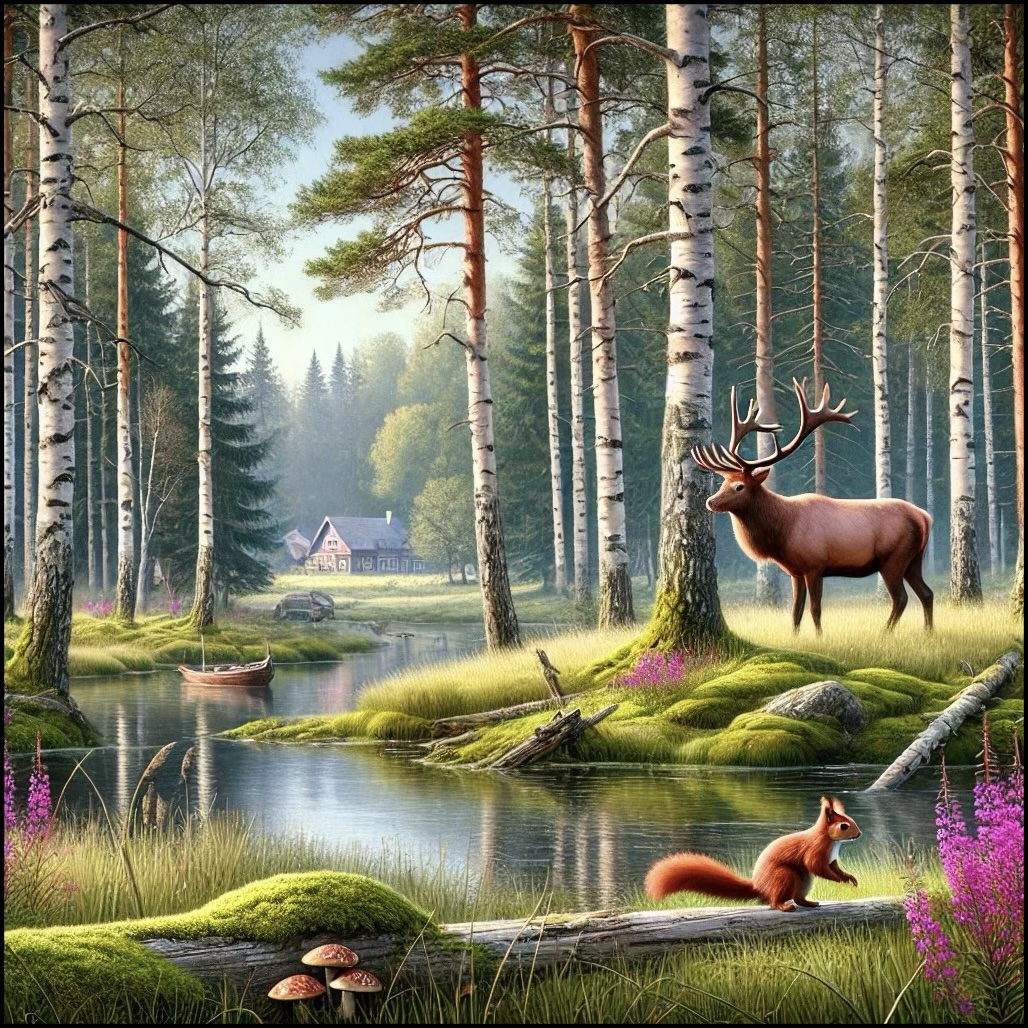
Northeast Europe (with civilization) ©2024-25 Electric Prism, Inc. All rights reserved.
People
Groups
- Polytheism (“paganism”)
- Prussians, Old, or Baltic (Western Balts)
- Finns
- Este culture
- Sami people
- Karelians
- Tavastians
- Curonians (Western Balts)
- Latgalians (Eastern Balts)
- Selonians (Eastern Balts)
- Yotvingians, or Sudovians (Western Balts)
- Galindians, Western (Western Balts)
- Skalvians, or Scalovians (Western Balts)
- Sambians (Western Balts)
- Latvians, or Letts (Eastern Balts)
- Lithuanians (Eastern Balts)
- Aukstaitians, or Highland Lithuanians (Eastern Balts)
- Galindians, Eastern (Eastern Balts)
- Estonians
- Samogitians, or Lowland Lithuanians (Eastern Balts)
- Semigallians (Eastern Balts)
- Estonia, independent
- Christianity, Chalcedonian
- Denmark, Kingdom of
- Varangians
- Danes (Scandinavians)
- Swedes (North Germanic tribe)
- Norse
- Götaland, (Scandinavian) Kingdom of
- Svealand, (Scandinavian) Kingdom of
- Norway, independent Kingdom of
- Sweden, Kingdom of
- Christians, Roman Catholic
Topics
Commodoties
Subjects
Regions

Subregions
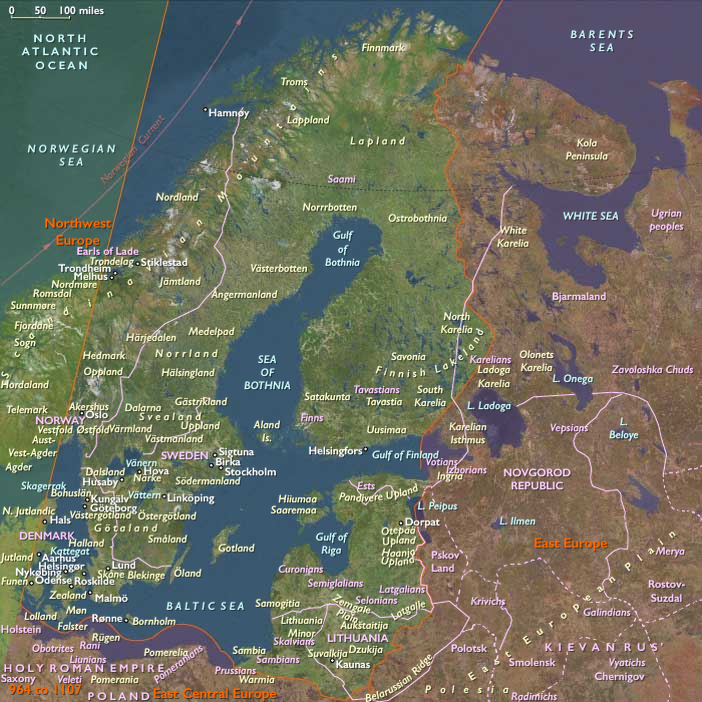
Years: 964 - 1107
Northeast Europe (with civilization) ©2024-25 Electric Prism, Inc. All rights reserved.
People
Groups
- Polytheism (“paganism”)
- Prussians, Old, or Baltic (Western Balts)
- Finns
- Este culture
- Sami people
- Karelians
- Tavastians
- Curonians (Western Balts)
- Latgalians (Eastern Balts)
- Selonians (Eastern Balts)
- Yotvingians, or Sudovians (Western Balts)
- Galindians, Western (Western Balts)
- Skalvians, or Scalovians (Western Balts)
- Sambians (Western Balts)
- Latvians, or Letts (Eastern Balts)
- Lithuanians (Eastern Balts)
- Aukstaitians, or Highland Lithuanians (Eastern Balts)
- Galindians, Eastern (Eastern Balts)
- Estonians
- Samogitians, or Lowland Lithuanians (Eastern Balts)
- Semigallians (Eastern Balts)
- Estonia, independent
- Christianity, Chalcedonian
- Denmark, Kingdom of
- Varangians
- Danes (Scandinavians)
- Swedes (North Germanic tribe)
- Norse
- Götaland, (Scandinavian) Kingdom of
- Svealand, (Scandinavian) Kingdom of
- Norway, independent Kingdom of
- Sweden, Kingdom of
- Christians, Roman Catholic
Topics
Commodoties
Subjects
Regions
Subregions