
Northeast Europe (909 BCE – 819 …
Years: 909BCE - 819
Northeast Europe (909 BCE – 819 CE) Early Iron and Antiquity — Finnic Foragers, Baltic Tribes, and Early Norse Contacts
Geographic and Environmental Context
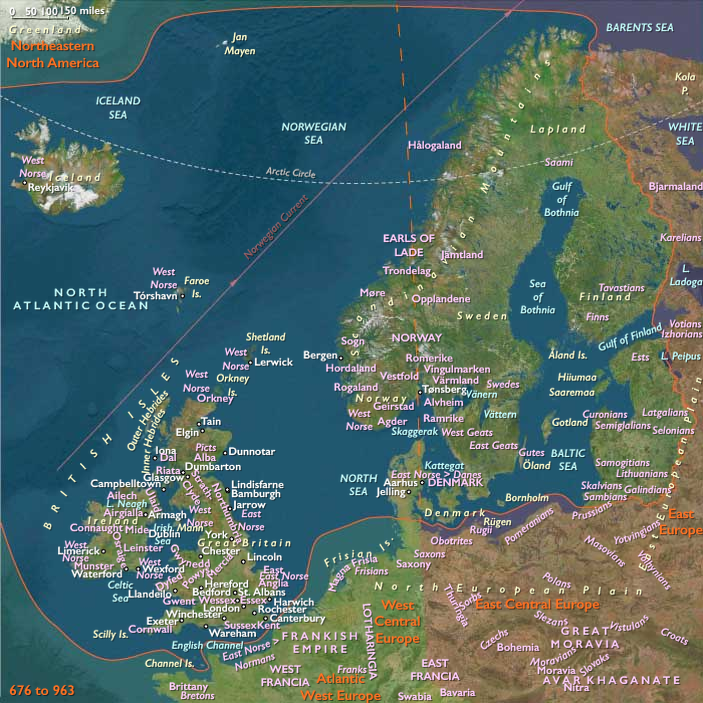
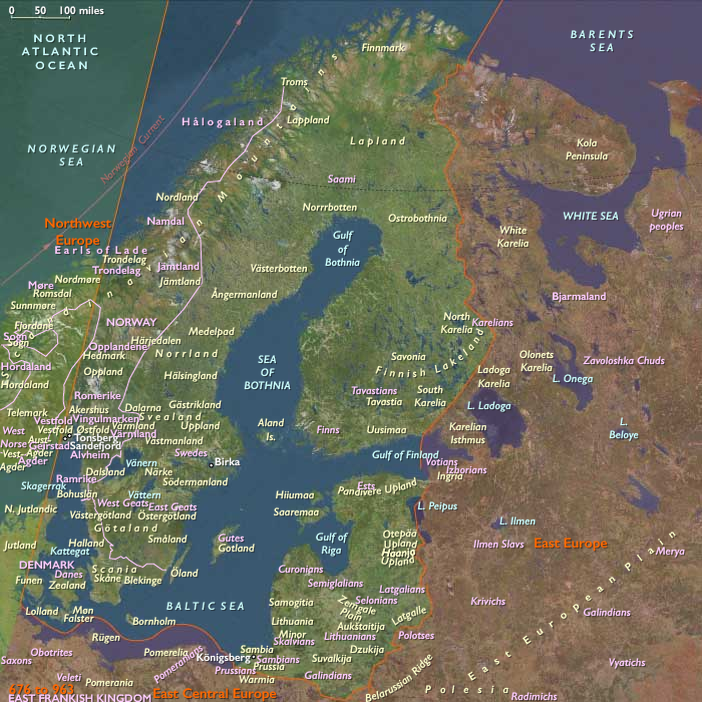
Northeast Europe includes Sweden, Finland, the Baltic States (Estonia, Latvia, Lithuania), eastern Denmark (including Copenhagen, Zealand, Bornholm), eastern Norway (including Oslo), and the Russian enclave of Kalingrad.
-
Anchors: Baltic coast amber fields, Nemunas–Daugava–Latvia/Lithuania, Lake Ladoga–Karelia, Uppland–Mälaren, Oslofjord–eastern Norway.
Climate & Environmental Shifts
-
First-millennium variability; cooler climate, forests thickened; lakes resilient.
Societies & Political Developments
-
Finnic tribes (ancestors of Estonians, Finns, Karelians) dominated forests; hunting, fishing, slash-and-burn agriculture.
-
Balts (ancestors of Lithuanians, Latvians) expanded in Nemunas–Daugava zones; hillforts emerged (from c. 500 BCE).
-
Nordic Iron Age in Sweden/eastern Denmark impacted amber and iron exchange.
-
From c. 200 CE: early Norse seafarers probed Baltic, founding trade ports.
-
By 7th–9th c.: proto-urban emporia (Staraya Ladoga, Grobiņa) linked Scandinavia to Balt–Finnic zones.
Economy & Trade
-
Amber continued as prestige export; ironworking developed locally.
-
Forest exports: furs, wax, honey; imported glass, weapons, ornaments.
-
Norse–Finnic–Baltic trade networks precursors to Viking Age.
Technology & Material Culture
-
Iron weapons/tools; tar and pitch for ships; clinker-built vessels appear in Norse areas.
-
Balts built timber hillforts; Finnic foragers retained pit-houses.
Belief & Symbolism
-
Animist traditions: sacred groves, water spirits; Norse polytheism penetrated southern Scandinavia.
-
Rock carvings of ships, cult stones, burial mounds across the region.
Environmental Adaptation & Resilience
-
Forager–farmer mosaics remained resilient; diversified economy of forest products, river fisheries, and coastal amber buffered shocks.
Legacy & Transition
By 819 CE, Northeast Europe was a mosaic of Finnic foragers, Baltic farmers, and Norse contacts: hillforts, amber routes, and coastal trade ports set the stage for the Viking Age expansions and later medieval states.
Groups
- Prussians, Old, or Baltic (Western Balts)
- Finns
- Este culture
- Sami people
- Karelians
- Tavastians
- Semigallians (Eastern Balts)
- Latgalians (Eastern Balts)
- Selonians (Eastern Balts)
- Yotvingians, or Sudovians (Western Balts)
- Galindians, Western (Western Balts)
- Skalvians, or Scalovians (Western Balts)
- Sambians (Western Balts)
- Latvians, or Letts (Eastern Balts)
- Lithuanians (Eastern Balts)
- Aukstaitians, or Highland Lithuanians (Eastern Balts)
- Galindians, Eastern (Eastern Balts)
- Estonians
- Samogitians, or Lowland Lithuanians (Eastern Balts)
- Curonians (Western Balts)
- Estonia, independent
- Varangians
- Danes (Scandinavians)
- Swedes (North Germanic tribe)
- Norse
Topics
- Viking Raids in England, Early
- Viking Raids in Ireland
- Viking Raids
- Viking Raids in France, Early
- Viking Raids in the North Sea
Commodoties
- Fish and game
- Weapons
- Hides and feathers
- Gem materials
- Domestic animals
- Grains and produce
- Ceramics
- Strategic metals
- Slaves
- Lumber
Subjects
Regions
Subregions
Related Events
Showing 10 events out of 24 total
Years: 909BCE - 819
Groups
- Prussians, Old, or Baltic (Western Balts)
- Finns
- Este culture
- Sami people
- Karelians
- Tavastians
- Semigallians (Eastern Balts)
- Latgalians (Eastern Balts)
- Selonians (Eastern Balts)
- Yotvingians, or Sudovians (Western Balts)
- Galindians, Western (Western Balts)
- Skalvians, or Scalovians (Western Balts)
- Sambians (Western Balts)
- Latvians, or Letts (Eastern Balts)
- Lithuanians (Eastern Balts)
- Aukstaitians, or Highland Lithuanians (Eastern Balts)
- Galindians, Eastern (Eastern Balts)
- Estonians
- Samogitians, or Lowland Lithuanians (Eastern Balts)
- Curonians (Western Balts)
- Estonia, independent
- Varangians
- Danes (Scandinavians)
- Swedes (North Germanic tribe)
- Norse
Topics
- Viking Raids in England, Early
- Viking Raids in Ireland
- Viking Raids
- Viking Raids in France, Early
- Viking Raids in the North Sea
Commodoties
- Fish and game
- Weapons
- Hides and feathers
- Gem materials
- Domestic animals
- Grains and produce
- Ceramics
- Strategic metals
- Slaves
- Lumber
Subjects
Regions
Subregions